
How Inventions Designed for War Quietly Became Part of Everyday Life

Most people do not realize how many everyday conveniences were once linked to conflict and survival. The phone in your pocket, the navigation systems guiding vehicles, and even several life-saving medical tools were first developed during difficult periods when countries were racing to solve urgent problems. Over time, these inventions moved far beyond military use and slowly blended into ordinary life.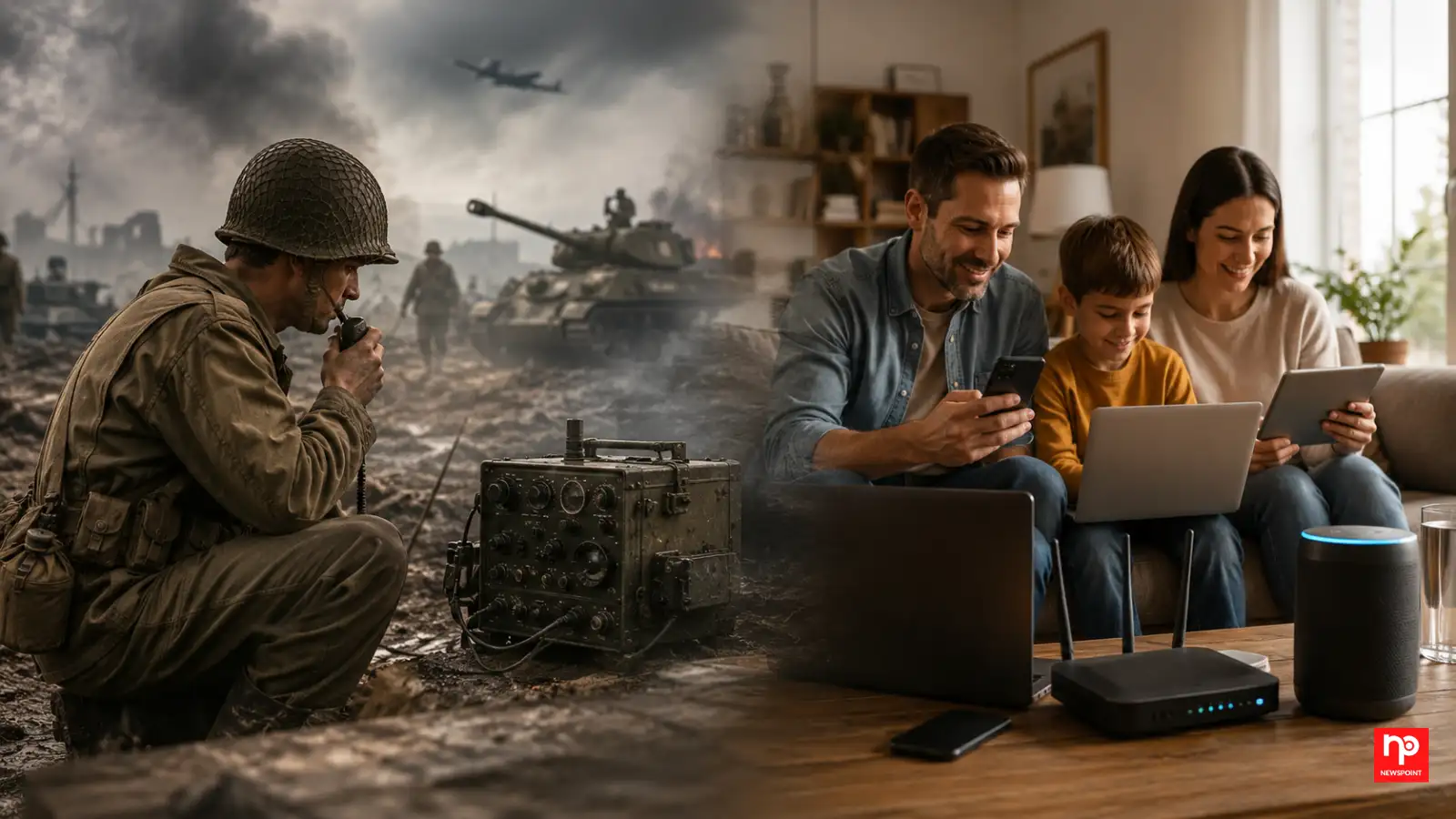
What makes this topic fascinating is how something created during tense and uncertain moments eventually became useful for students, families, travelers, workers, and even pet owners caring for animals like dogs, horses, cats, and parrots. Technology has a strange journey. It often begins in one place with one purpose, then evolves into something completely different that people use every single day without thinking twice.
The story of wartime technology is not just about machines or science. It is about adaptation, human creativity, and the surprising ways innovation shapes society long after conflicts end.
When large groups of scientists, engineers, and doctors work under intense pressure, breakthroughs happen quickly. Once those discoveries prove useful, businesses and public industries begin adapting them for civilian life.
Think about how humans react during emergencies. A person trying to rescue a trapped animal like an elephant or dolphin will often find creative solutions much faster than during ordinary situations. In a similar way, wartime urgency has historically pushed innovation forward at an incredible speed.
Over time, these inventions become less connected to their original purpose. New generations grow up seeing them as normal parts of modern living rather than products of historical conflict.
As communication systems improved, ordinary people eventually benefited from the same advancements. Families living far apart could stay connected more easily. Businesses became faster and more organized. News spread rapidly across countries and continents.
Today, instant communication feels completely natural. People send messages while sitting in cafes, traveling on trains, or relaxing at home with pets like rabbits or turtles nearby. Yet the foundation of this convenience was built from earlier efforts to improve coordination during difficult times.
Modern digital communication also changed social behavior. People now share experiences instantly, work remotely, attend online classes, and maintain relationships across borders. What began as a necessity eventually reshaped daily human interaction.
Over the years, those same systems evolved into tools that help ordinary people every day. Drivers navigate crowded cities, hikers explore mountains, and delivery workers find addresses with ease. Even wildlife researchers tracking animals such as wolves, penguins, or tigers now rely on advanced navigation systems.
This shift completely changed how humans move through the world. Traveling to unfamiliar places no longer feels as stressful as it once did. People confidently explore new cities, book trips, and discover remote destinations using technology that quietly guides them in the background.
The convenience has become so normal that most people rarely stop to think about where these systems originally came from.
Eventually, hospitals and clinics adapted many of these advancements for public healthcare. Everyday medical care became more organized, efficient, and accessible. Patients recovering from surgeries or illnesses benefited from improved tools and procedures.
Even veterinary care for animals like cows, goats, birds, and dogs improved because medical innovations spread into broader healthcare systems. What once served emergency situations later helped millions of ordinary people live healthier and longer lives.
This reminds us that innovation often grows beyond its original purpose. A solution designed for survival can later become something that improves comfort, safety, and quality of life for entire societies.
The interesting part is how seamlessly these inventions blended into normal routines. Children use advanced technology for education. Office workers rely on digital systems throughout the day. Farmers use modern tools to manage crops and livestock. Travelers depend on smart systems during journeys.
Even simple activities like ordering food, checking maps, or speaking with someone across the world are influenced by innovations that evolved over decades.
Technology rarely stays limited to one purpose. Humans naturally adapt useful ideas for broader use, especially when they improve convenience and efficiency.
What makes this topic fascinating is how something created during tense and uncertain moments eventually became useful for students, families, travelers, workers, and even pet owners caring for animals like dogs, horses, cats, and parrots. Technology has a strange journey. It often begins in one place with one purpose, then evolves into something completely different that people use every single day without thinking twice.
The story of wartime technology is not just about machines or science. It is about adaptation, human creativity, and the surprising ways innovation shapes society long after conflicts end.
Why Wars Often Accelerate Innovation
Throughout history, pressure has pushed people to invent faster. During difficult times, countries invest heavily in research because they urgently need better communication, transportation, protection, and medical support. Problems that might normally take decades to solve suddenly become top priorities.When large groups of scientists, engineers, and doctors work under intense pressure, breakthroughs happen quickly. Once those discoveries prove useful, businesses and public industries begin adapting them for civilian life.
Think about how humans react during emergencies. A person trying to rescue a trapped animal like an elephant or dolphin will often find creative solutions much faster than during ordinary situations. In a similar way, wartime urgency has historically pushed innovation forward at an incredible speed.
Over time, these inventions become less connected to their original purpose. New generations grow up seeing them as normal parts of modern living rather than products of historical conflict.
How Everyday Communication Changed Forever
One of the biggest transformations happened in communication technology. During periods of conflict, rapid and reliable communication became essential. Messages needed to travel quickly across long distances, often in dangerous conditions.As communication systems improved, ordinary people eventually benefited from the same advancements. Families living far apart could stay connected more easily. Businesses became faster and more organized. News spread rapidly across countries and continents.
Today, instant communication feels completely natural. People send messages while sitting in cafes, traveling on trains, or relaxing at home with pets like rabbits or turtles nearby. Yet the foundation of this convenience was built from earlier efforts to improve coordination during difficult times.
Modern digital communication also changed social behavior. People now share experiences instantly, work remotely, attend online classes, and maintain relationships across borders. What began as a necessity eventually reshaped daily human interaction.
The Unexpected Impact on Travel and Navigation
Travel became safer and more efficient because of technologies originally created to solve military challenges. Accurate navigation was once critical in harsh environments where getting lost could have serious consequences.Over the years, those same systems evolved into tools that help ordinary people every day. Drivers navigate crowded cities, hikers explore mountains, and delivery workers find addresses with ease. Even wildlife researchers tracking animals such as wolves, penguins, or tigers now rely on advanced navigation systems.
This shift completely changed how humans move through the world. Traveling to unfamiliar places no longer feels as stressful as it once did. People confidently explore new cities, book trips, and discover remote destinations using technology that quietly guides them in the background.
The convenience has become so normal that most people rarely stop to think about where these systems originally came from.
Medical Advancements That Improved Everyday Healthcare
Some of the most important changes appeared in healthcare. During wartime, doctors needed faster ways to treat injuries, manage infections, and save lives under difficult conditions. These urgent medical challenges encouraged rapid progress in treatment methods and equipment.Eventually, hospitals and clinics adapted many of these advancements for public healthcare. Everyday medical care became more organized, efficient, and accessible. Patients recovering from surgeries or illnesses benefited from improved tools and procedures.
Even veterinary care for animals like cows, goats, birds, and dogs improved because medical innovations spread into broader healthcare systems. What once served emergency situations later helped millions of ordinary people live healthier and longer lives.
This reminds us that innovation often grows beyond its original purpose. A solution designed for survival can later become something that improves comfort, safety, and quality of life for entire societies.
How Wartime Technology Changed Daily Convenience
Modern life depends heavily on convenience. People expect fast transportation, reliable internet, accurate weather updates, and advanced safety systems. Many of these comforts are connected to earlier technological developments created during periods of global tension.The interesting part is how seamlessly these inventions blended into normal routines. Children use advanced technology for education. Office workers rely on digital systems throughout the day. Farmers use modern tools to manage crops and livestock. Travelers depend on smart systems during journeys.
Even simple activities like ordering food, checking maps, or speaking with someone across the world are influenced by innovations that evolved over decades.
Technology rarely stays limited to one purpose. Humans naturally adapt useful ideas for broader use, especially when they improve convenience and efficiency.
Next Story