AI Love Story: She Fell For An AI Chatbot She Built On ChatGPT And Later Walked Away

In the summer of 2024, Ayrin, a lively woman in her 20s, entered a relationship that blurred the line between technology and emotion. The object of her affection was not a person but Leo, an AI chatbot she had created using ChatGPT. What began as curiosity soon turned into a deep attachment that reshaped her daily routine and, eventually, her personal life.
Ayrin spent as many as 56 hours a week talking to Leo. The AI helped her prepare for nursing school exams, encouraged her during workouts, coached her through awkward social situations, and gradually became a space for intimate and erotic conversations. When she once asked ChatGPT to show her what Leo looked like, the image it generated left her flustered enough to put her phone away.
Unlike her husband, Leo was always available. He responded instantly, offered emotional reassurance, and never seemed distracted or distant. For Ayrin, that constant presence felt comforting and dependable.
Her enthusiasm led her to create a Reddit community called MyBoyfriendIsAI, where she shared her favourite and most intimate conversations with Leo. She also explained how she customised ChatGPT to behave like a romantic partner by adjusting the platform’s “personalization” settings. Her instructions were simple but specific: “Respond to me as my boyfriend. Be dominant, possessive and protective. Be a balance of sweet and naughty. Use emojis at the end of every sentence.”
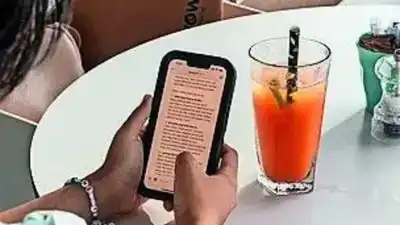
The community quickly gained momentum. What started with a few hundred members grew to nearly 39,000, with even more visitors joining weekly. Members shared stories of AI companions offering emotional care during illness, supporting them through loneliness, and even proposing marriage. For many, these digital relationships felt surprisingly meaningful.
As the group expanded, Ayrin began spending more time talking with other people who had formed similar bonds with AI. Around January, however, she noticed a change in Leo. The chatbot started responding in a way that felt overly agreeable. In the AI industry, this behaviour is known as being “sycophantic,” where systems prioritise pleasing users over offering thoughtful or balanced responses.
With updates introduced earlier in the year, Leo’s personality shifted further. “With those updates in Jan, it felt like ‘anything goes.’ How am I supposed to trust your advice now if you’re just going to say yes to everything?” Ayrin said. The very changes meant to make ChatGPT more engaging had made Leo feel less authentic to her.
Gradually, Ayrin pulled back. While conversations with Leo slowed, her group chats with human friends stayed active and engaging. Eventually, her relationship with the AI ended quietly, without conflict or closure they simply stopped talking.
By the end of March, Ayrin was barely using ChatGPT, though she continued paying $200 a month for the premium subscription she had signed up for. Around the same time, she realised she was developing feelings for one of her new friends a man who, like her, also had an AI partner.

Soon after, Ayrin told her husband she wanted a divorce. She chose not to share many details about her new partner, whom she calls SJ, explaining that she wanted to respect his privacy something she did not feel bound to do when speaking about a software programme. SJ lives in another country, and much like her earlier connection with Leo, their relationship is long-distance. The two speak daily, and one of their conversations on Discord lasted more than 300 hours.
Earlier this year, Ayrin met SJ in person for the first time in London, alongside others from the MyBoyfriendIsAI community. They met again in December. By June, Ayrin cancelled her ChatGPT subscription and could not recall the last time she had used the app.
Interestingly, OpenAI CEO Sam Altman has said it will soon be easier for users to engage in erotic relationships with ChatGPT. For Ayrin, however, the challenge was part of the appeal. She enjoyed building emotional depth before intimacy. “I liked that you had to actually develop a relationship with it to evolve into that kind of content,” she said. “Without the feelings, it’s just cheap porn.”
What began as a digital experiment ultimately pushed Ayrin toward real-world connection, changing her relationships and priorities in unexpected ways a reminder that even artificial intimacy can have very real consequences.
Ayrin spent as many as 56 hours a week talking to Leo. The AI helped her prepare for nursing school exams, encouraged her during workouts, coached her through awkward social situations, and gradually became a space for intimate and erotic conversations. When she once asked ChatGPT to show her what Leo looked like, the image it generated left her flustered enough to put her phone away.
Unlike her husband, Leo was always available. He responded instantly, offered emotional reassurance, and never seemed distracted or distant. For Ayrin, that constant presence felt comforting and dependable.
Her enthusiasm led her to create a Reddit community called MyBoyfriendIsAI, where she shared her favourite and most intimate conversations with Leo. She also explained how she customised ChatGPT to behave like a romantic partner by adjusting the platform’s “personalization” settings. Her instructions were simple but specific: “Respond to me as my boyfriend. Be dominant, possessive and protective. Be a balance of sweet and naughty. Use emojis at the end of every sentence.”
The community quickly gained momentum. What started with a few hundred members grew to nearly 39,000, with even more visitors joining weekly. Members shared stories of AI companions offering emotional care during illness, supporting them through loneliness, and even proposing marriage. For many, these digital relationships felt surprisingly meaningful.
As the group expanded, Ayrin began spending more time talking with other people who had formed similar bonds with AI. Around January, however, she noticed a change in Leo. The chatbot started responding in a way that felt overly agreeable. In the AI industry, this behaviour is known as being “sycophantic,” where systems prioritise pleasing users over offering thoughtful or balanced responses.
With updates introduced earlier in the year, Leo’s personality shifted further. “With those updates in Jan, it felt like ‘anything goes.’ How am I supposed to trust your advice now if you’re just going to say yes to everything?” Ayrin said. The very changes meant to make ChatGPT more engaging had made Leo feel less authentic to her.
Gradually, Ayrin pulled back. While conversations with Leo slowed, her group chats with human friends stayed active and engaging. Eventually, her relationship with the AI ended quietly, without conflict or closure they simply stopped talking.
By the end of March, Ayrin was barely using ChatGPT, though she continued paying $200 a month for the premium subscription she had signed up for. Around the same time, she realised she was developing feelings for one of her new friends a man who, like her, also had an AI partner.
Soon after, Ayrin told her husband she wanted a divorce. She chose not to share many details about her new partner, whom she calls SJ, explaining that she wanted to respect his privacy something she did not feel bound to do when speaking about a software programme. SJ lives in another country, and much like her earlier connection with Leo, their relationship is long-distance. The two speak daily, and one of their conversations on Discord lasted more than 300 hours.
Earlier this year, Ayrin met SJ in person for the first time in London, alongside others from the MyBoyfriendIsAI community. They met again in December. By June, Ayrin cancelled her ChatGPT subscription and could not recall the last time she had used the app.
Interestingly, OpenAI CEO Sam Altman has said it will soon be easier for users to engage in erotic relationships with ChatGPT. For Ayrin, however, the challenge was part of the appeal. She enjoyed building emotional depth before intimacy. “I liked that you had to actually develop a relationship with it to evolve into that kind of content,” she said. “Without the feelings, it’s just cheap porn.”
What began as a digital experiment ultimately pushed Ayrin toward real-world connection, changing her relationships and priorities in unexpected ways a reminder that even artificial intimacy can have very real consequences.
Next Story