Japan’s Hokkaido Rocked By 6.5 Quake Following 7.5 Tremor & Tsunami Warning

A new wave of seismic activity has unsettled northern Japan this week after a magnitude 6.5 earthquake struck Hokkaido on Wednesday, adding to concerns already heightened by a powerful offshore tremor earlier in the week. The latest quake, recorded at a depth of 57 kilometres, arrived less than two days after a strong 7.5-magnitude shock rattled the northeastern coastline late Monday, prompting tsunami warnings and swift evacuation orders. Authorities and experts now caution that the region is facing an unusually tense phase, with a rare megaquake advisory issued for large parts of the country.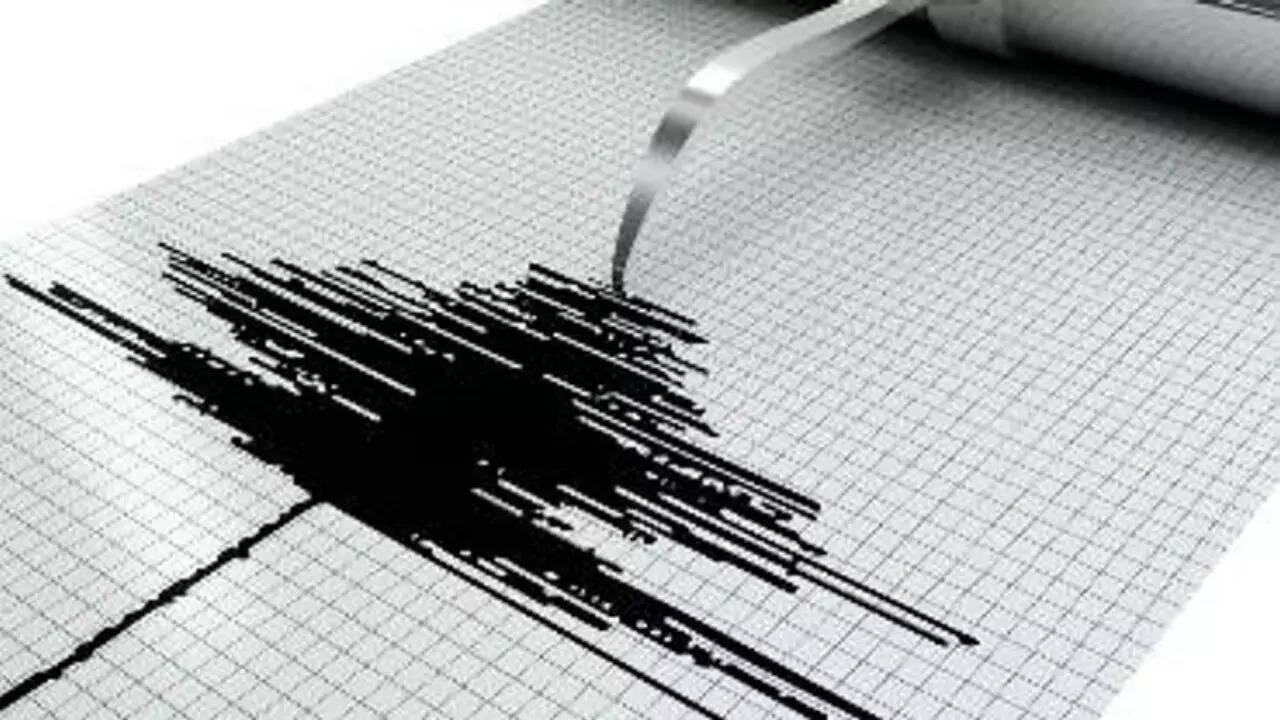
In Aomori’s Hachinohe city, shaking reached an “upper 6” on the national seismic intensity scale. At this level, movement becomes so forceful that staying upright is difficult and heavy household items are at risk of toppling. Several people sustained injuries, though all were reported to be conscious. Local transport networks were disrupted, with train services temporarily suspended and pockets of power outages reported.
Government estimates indicate that a massive earthquake in the Hokkaido–Sanriku region could generate a tsunami as high as 30 metres. Such a wave could endanger nearly two lakh people, destroy more than two lakh buildings and lead to economic losses exceeding 31 trillion yen. With the northern climate already cooling, experts warn that a winter-time disaster may expose thousands to hypothermia, particularly in areas where evacuation shelters lie in exposed or hard-to-reach zones.
Meteorological specialists continue to assess shifting patterns beneath the seabed, advising residents and travellers to stay updated through official channels. Emergency kits, updated evacuation maps and community-level drills are once again being emphasised by local governments.
Financial markets also reacted briefly, with the yen softening against major currencies before stabilising later in the day. Market analysts say such fluctuations are typical during periods of heightened natural risk, especially in a country whose economy is deeply intertwined with global trade.
Fresh Quake Adds To Earlier Tensions
Wednesday’s quake sent tremors across Hokkaido, though emergency agencies reported no major structural damage. Its timing, however, intensified public anxiety, coming so soon after the offshore quake near Aomori Prefecture that struck late Monday at a depth of 54 kilometres. During that event, coastal towns braced for waves initially forecast to reach three metres. Ports across the region later recorded smaller waves between 20 and 70 centimetres, allowing the warning to be scaled down to an advisory early Tuesday.In Aomori’s Hachinohe city, shaking reached an “upper 6” on the national seismic intensity scale. At this level, movement becomes so forceful that staying upright is difficult and heavy household items are at risk of toppling. Several people sustained injuries, though all were reported to be conscious. Local transport networks were disrupted, with train services temporarily suspended and pockets of power outages reported.
Rare Advisory Widens Across Northern Municipalities
Japan’s concern has deepened after authorities issued a rare megaquake advisory on Tuesday for an extensive stretch covering 182 municipalities from Hokkaido to Chiba. Officials said the alert follows assessment of the recent seismic pattern, which suggests the potential for a stronger offshore event in the days ahead.Government estimates indicate that a massive earthquake in the Hokkaido–Sanriku region could generate a tsunami as high as 30 metres. Such a wave could endanger nearly two lakh people, destroy more than two lakh buildings and lead to economic losses exceeding 31 trillion yen. With the northern climate already cooling, experts warn that a winter-time disaster may expose thousands to hypothermia, particularly in areas where evacuation shelters lie in exposed or hard-to-reach zones.
Tsunami Risk And Emergency Preparedness
While Monday’s offshore quake did not lead to extensive damage, officials caution that the real threat lies in a possible chain of seismic events. Japan sits along the Pacific Ring of Fire, one of the world’s most active seismic belts, and experiences nearly one-fifth of all magnitude-six-plus earthquakes globally. The clustering of strong tremors this week has therefore drawn renewed attention to coastal preparedness, evacuation drills and the need for early warning systems that reach communities swiftly.Meteorological specialists continue to assess shifting patterns beneath the seabed, advising residents and travellers to stay updated through official channels. Emergency kits, updated evacuation maps and community-level drills are once again being emphasised by local governments.
Public Reaction And Market Sensitivity
The series of tremors has unsettled residents who still carry memories of the devastating 2011 earthquake and tsunami, which claimed nearly 20,000 lives and triggered one of the world’s worst nuclear accidents. Although no irregularities have been detected at nuclear facilities this week, the repeated shocks have reignited public discussions about long-term infrastructure resilience and safety protocols.Financial markets also reacted briefly, with the yen softening against major currencies before stabilising later in the day. Market analysts say such fluctuations are typical during periods of heightened natural risk, especially in a country whose economy is deeply intertwined with global trade.
Japan Remains On High Alert
Authorities stress that the current advisory does not guarantee a large-scale disaster but reflects a scientifically informed cautionary approach. Disaster management teams remain on standby as aftershocks continue across northern prefectures. Residents have been urged to remain vigilant and avoid unnecessary coastal travel until official agencies declare conditions safe.Next Story