
Elon Musk's SpaceX IPO: Will $1 trillion valuation reshape markets as public listing plans and $50bn raise come into focus?


SpaceX has taken a significant step toward entering public markets. The company, known for building rockets, space technologies and Starlink satellites, has submitted a confidential filing to the US Securities and Exchange Commission for an initial public offering.
This move allows SpaceX to begin discussions with regulators without immediately disclosing detailed financial information. Once listed, its shares would be available for public trading. Reports from Bloomberg, Reuters and The New York Times indicate that the company is targeting a public debut around June.
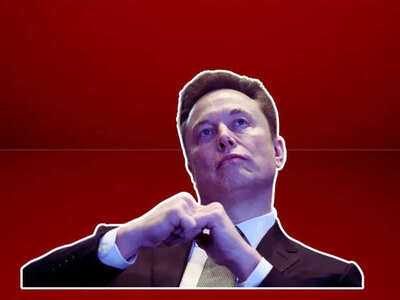
The expected valuation at listing is projected to exceed $1 trillion (£751bn), placing it among the most valuable publicly traded companies globally. Such a debut would rank among the largest in financial market history.
Valuation, fundraising and investor roadshowsThe IPO is expected to help SpaceX raise at least $50 billion by offering shares to public investors. Following the confidential filing, executives are likely to conduct investor roadshows. These meetings are designed to present the company’s outlook and secure commitments from large institutional investors.
 SpaceX has filed confidentially for an IPO that could value it above $1 trillion A valuation above $1 trillion would also have implications for Elon Musk personally. His stake in the company could position him to become the world’s first trillionaire if market conditions align with expectations.
Earlier developments have already pushed SpaceX’s internal valuation higher. After an all-stock merger with xAI, the combined entity was estimated to be worth $1.25 trillion, making it the most valuable private company.
Integration with xAI, Tesla and expanding costsSpaceX’s path to a public listing has been accompanied by closer integration across Musk’s companies. The acquisition of xAI and earlier consolidation involving X signalled a broader alignment of resources.
According to Pitchbook analyst Emily Zheng, combining xAI with SpaceX demonstrates cost consolidation and the ability to share infrastructure efficiently. This alignment is also linked to increasing operational demands. The company is managing rising costs tied to computing power, infrastructure and energy as it expands.
Tesla has also played a role, investing more than $2 billion in xAI earlier this year. Musk has indicated that Tesla’s manufacturing focus will shift partly toward robots, which will use xAI technologies such as Grok. The AI assistant is already integrated into some Tesla vehicles.
 SpaceX has taken a significant step toward entering public market SpaceX is also expected to collaborate with Tesla and xAI on a chipmaking initiative called Terafab, further linking the operations of these companies.
Core operations and long-term ambitionsFounded in 2002, SpaceX was created to reduce the cost of space launches, particularly through reusable rocket systems. It secured its first contract with NASA in 2006.
Today, its primary activities remain centered on rocket launches and operating Starlink, a global satellite network providing internet connectivity. These businesses continue to form the foundation of its revenue and growth.
At the same time, Musk has outlined broader ambitions for the company. These include placing data centers for artificial intelligence in space and developing a self-sustaining city on Mars. However, some experts have expressed doubts about the feasibility of these long-term goals.
What the IPO means going forwardThe planned IPO represents both a funding strategy and a structural shift for SpaceX. By entering public markets, the company aims to secure the capital needed to support large-scale projects and rising operational costs.
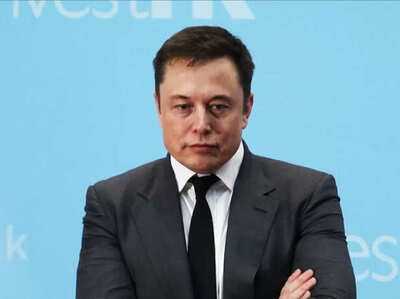 SpaceX to begin discussions with regulators without immediately disclosing detailed financial information With a potential valuation exceeding $1 trillion, a targeted June timeline, and plans to raise over $50 billion, the listing is positioned to become one of the most closely watched financial events. The combination of aerospace operations, satellite services, and integrated AI initiatives places SpaceX at the center of investor attention as it moves toward its next phase.
This move allows SpaceX to begin discussions with regulators without immediately disclosing detailed financial information. Once listed, its shares would be available for public trading. Reports from Bloomberg, Reuters and The New York Times indicate that the company is targeting a public debut around June.
The expected valuation at listing is projected to exceed $1 trillion (£751bn), placing it among the most valuable publicly traded companies globally. Such a debut would rank among the largest in financial market history.
Valuation, fundraising and investor roadshowsThe IPO is expected to help SpaceX raise at least $50 billion by offering shares to public investors. Following the confidential filing, executives are likely to conduct investor roadshows. These meetings are designed to present the company’s outlook and secure commitments from large institutional investors.
Earlier developments have already pushed SpaceX’s internal valuation higher. After an all-stock merger with xAI, the combined entity was estimated to be worth $1.25 trillion, making it the most valuable private company.
Integration with xAI, Tesla and expanding costsSpaceX’s path to a public listing has been accompanied by closer integration across Musk’s companies. The acquisition of xAI and earlier consolidation involving X signalled a broader alignment of resources.
According to Pitchbook analyst Emily Zheng, combining xAI with SpaceX demonstrates cost consolidation and the ability to share infrastructure efficiently. This alignment is also linked to increasing operational demands. The company is managing rising costs tied to computing power, infrastructure and energy as it expands.
Tesla has also played a role, investing more than $2 billion in xAI earlier this year. Musk has indicated that Tesla’s manufacturing focus will shift partly toward robots, which will use xAI technologies such as Grok. The AI assistant is already integrated into some Tesla vehicles.
Core operations and long-term ambitionsFounded in 2002, SpaceX was created to reduce the cost of space launches, particularly through reusable rocket systems. It secured its first contract with NASA in 2006.
Today, its primary activities remain centered on rocket launches and operating Starlink, a global satellite network providing internet connectivity. These businesses continue to form the foundation of its revenue and growth.
At the same time, Musk has outlined broader ambitions for the company. These include placing data centers for artificial intelligence in space and developing a self-sustaining city on Mars. However, some experts have expressed doubts about the feasibility of these long-term goals.
What the IPO means going forwardThe planned IPO represents both a funding strategy and a structural shift for SpaceX. By entering public markets, the company aims to secure the capital needed to support large-scale projects and rising operational costs.
Next Story