
AI on Indian Highways: How Smart Technology Will Change Your Drive

India’s highway network is about to get smarter. The National Highways Authority of India is preparing to introduce an AI-powered monitoring system across nearly 40,000 kilometres of national highways. The goal is simple. Make road management faster, more accurate, and less dependent on manual inspections.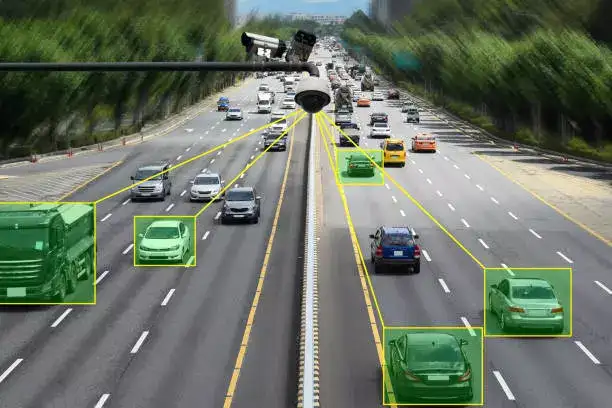
This shift signals a move toward smarter infrastructure where data and automation help keep roads safer and in better condition.
A closer look at how the system works
At the centre of this plan is Dashcam Analytics Services, a system that uses Artificial Intelligence and Machine Learning to monitor highways in real time.
Special dashboard cameras will be installed on route patrol vehicles that regularly travel across highway stretches. These cameras will continuously capture images and video footage as the vehicles move. The data is then processed by AI models that can scan, analyse, and identify potential issues within seconds.
This means problems can be detected without waiting for manual reports or inspections, saving both time and effort.
Faster detection, quicker repairs
One of the biggest advantages of this system is its ability to identify more than 30 types of defects automatically. From potholes and cracks to surface wear, the system can spot issues early before they turn into major hazards.
Instead of reacting after complaints, authorities can now act proactively. Early detection helps reduce repair costs, prevents further damage, and ensures smoother road conditions for drivers.
Monitoring more than just the road surface
The system goes beyond basic road quality checks. It also keeps an eye on critical infrastructure elements such as lane markings, crash barriers, streetlights, and road signage.
Safety-related concerns are also part of the monitoring process. The AI can flag unauthorised median openings, illegal hoardings, roadside obstructions, and poorly parked vehicles. Maintenance issues like waterlogging, blocked drainage systems, overgrown vegetation, and the condition of bus bays are also tracked.
This wide coverage ensures that highways are maintained as a complete system rather than focusing on just one aspect.
Night-time checks for safer travel
Driving at night comes with its own challenges, especially when visibility is low. To address this, the plan includes regular night-time surveys.
At least once every month, patrol vehicles will conduct inspections after dark. These checks focus on the visibility of road markings, reflectors, and lighting systems. By identifying weak spots in low-light conditions, authorities can improve safety for night-time travellers.
A central platform for real-time insights
All the data collected through this system will be managed on a central digital platform. This platform will feature tools for data storage, AI analysis, and interactive dashboards.
Officials will be able to monitor road conditions in real time, compare past and current data, and track how quickly maintenance work is being completed. This level of transparency and control can help improve accountability and speed up decision-making.
Dividing highways into zones for better management
To make the rollout more efficient, the highway network has been divided into five zones. This allows teams to respond quickly to issues flagged by the system and ensures better coordination across regions.
A zonal approach also helps prioritise repairs based on urgency and traffic conditions, making the entire process more organised.
What this means for everyday travellers
For drivers, the impact could be significant. Better-maintained roads mean fewer unexpected bumps, smoother journeys, and reduced wear and tear on vehicles. Faster repairs also mean fewer long-standing issues that can disrupt travel.
Over time, this system could lead to safer highways, improved driving comfort, and more reliable travel experiences across the country.
A step toward smarter infrastructure
The introduction of AI into highway management reflects a larger change in how infrastructure is being handled. The focus is shifting from fixing problems after they occur to predicting and preventing them in the first place.
As this system expands, India’s highways are set to become not just more extensive, but also more intelligent. For travellers, that means a future where roads are not only built better but also maintained smarter every single day.
This shift signals a move toward smarter infrastructure where data and automation help keep roads safer and in better condition.
A closer look at how the system works
At the centre of this plan is Dashcam Analytics Services, a system that uses Artificial Intelligence and Machine Learning to monitor highways in real time.Special dashboard cameras will be installed on route patrol vehicles that regularly travel across highway stretches. These cameras will continuously capture images and video footage as the vehicles move. The data is then processed by AI models that can scan, analyse, and identify potential issues within seconds.
This means problems can be detected without waiting for manual reports or inspections, saving both time and effort.
Faster detection, quicker repairs
One of the biggest advantages of this system is its ability to identify more than 30 types of defects automatically. From potholes and cracks to surface wear, the system can spot issues early before they turn into major hazards. Instead of reacting after complaints, authorities can now act proactively. Early detection helps reduce repair costs, prevents further damage, and ensures smoother road conditions for drivers.
Monitoring more than just the road surface
The system goes beyond basic road quality checks. It also keeps an eye on critical infrastructure elements such as lane markings, crash barriers, streetlights, and road signage. Safety-related concerns are also part of the monitoring process. The AI can flag unauthorised median openings, illegal hoardings, roadside obstructions, and poorly parked vehicles. Maintenance issues like waterlogging, blocked drainage systems, overgrown vegetation, and the condition of bus bays are also tracked.
This wide coverage ensures that highways are maintained as a complete system rather than focusing on just one aspect.
Night-time checks for safer travel
Driving at night comes with its own challenges, especially when visibility is low. To address this, the plan includes regular night-time surveys. At least once every month, patrol vehicles will conduct inspections after dark. These checks focus on the visibility of road markings, reflectors, and lighting systems. By identifying weak spots in low-light conditions, authorities can improve safety for night-time travellers.
A central platform for real-time insights
All the data collected through this system will be managed on a central digital platform. This platform will feature tools for data storage, AI analysis, and interactive dashboards. Officials will be able to monitor road conditions in real time, compare past and current data, and track how quickly maintenance work is being completed. This level of transparency and control can help improve accountability and speed up decision-making.
Dividing highways into zones for better management
To make the rollout more efficient, the highway network has been divided into five zones. This allows teams to respond quickly to issues flagged by the system and ensures better coordination across regions. A zonal approach also helps prioritise repairs based on urgency and traffic conditions, making the entire process more organised.
What this means for everyday travellers
For drivers, the impact could be significant. Better-maintained roads mean fewer unexpected bumps, smoother journeys, and reduced wear and tear on vehicles. Faster repairs also mean fewer long-standing issues that can disrupt travel. Over time, this system could lead to safer highways, improved driving comfort, and more reliable travel experiences across the country.
A step toward smarter infrastructure
The introduction of AI into highway management reflects a larger change in how infrastructure is being handled. The focus is shifting from fixing problems after they occur to predicting and preventing them in the first place.As this system expands, India’s highways are set to become not just more extensive, but also more intelligent. For travellers, that means a future where roads are not only built better but also maintained smarter every single day.
Next Story