Bajaj Pulsar 125 Buying Guide: Design, Mileage, Variants & Price Compared

The Bajaj Pulsar 125 continues to attract buyers who want the iconic Pulsar look at a more accessible price point. Positioned below the Pulsar 150, this motorcycle delivers familiar styling, everyday practicality and improved fuel efficiency without significantly compromising on performance. With a growing demand for budget-friendly yet sporty commuters, the Pulsar 125 stands as an important option in Bajaj Auto’s line-up. For riders considering this model, understanding its engine performance, features, variants and pricing can help in making a well-informed decision.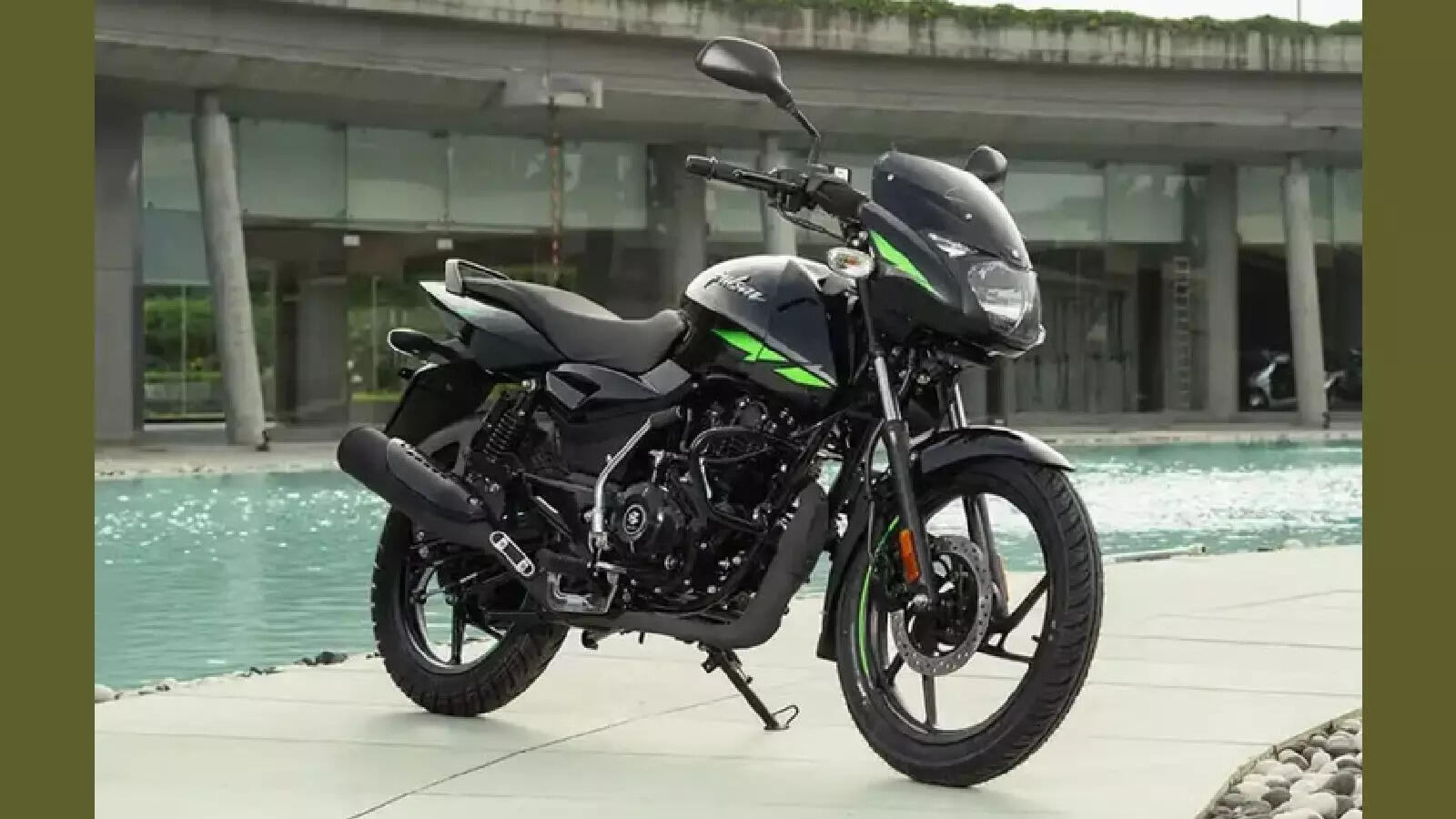
Engine Performance And Output
The Bajaj Pulsar 125 is powered by a 124.38cc, single-cylinder, air-cooled petrol engine. While it shares its core engine architecture with the Pulsar N125, it produces slightly lower output. The motor delivers a maximum power of 11.8hp at 8,500rpm and peak torque of 10.8Nm at 6,500rpm. These figures are adequate for daily city commuting and occasional highway use. The engine focuses more on smooth power delivery and fuel efficiency rather than aggressive performance, making it suitable for riders who prioritise practicality.Design And Visual Differences From Pulsar 150
In terms of appearance, the Pulsar 125 closely resembles the Pulsar 150, which works in its favour. The muscular fuel tank, sharp body panels and overall silhouette remain largely unchanged. However, the differences have become more visible after the recent update to the Pulsar 150. The larger model now features an LED headlight and refreshed graphics, while the Pulsar 125 continues with a halogen headlamp and classic Pulsar styling. The alloy wheels on the Pulsar 125 are also different and are shared with other models in the Pulsar 125 range, including the N125 and NS125.Variants And Colour Options
The Bajaj Pulsar 125 is available in two main variants: Neon and Carbon Fibre. The Neon variant comes with a black base and offers multiple graphic colour options, appealing to buyers looking for a subtle yet sporty design. The Carbon Fibre variant sits at the top of the range and is offered in two sub-variants – single-seat and split-seat. This allows customers to choose between a sportier appearance or added pillion convenience.Braking Setup And Safety
Unlike the Pulsar 150, which offers an option of twin-disc brakes, the Pulsar 125 does not feature a rear disc brake. It comes equipped with a front disc brake and a rear drum brake. While this setup may seem basic, it is in line with the motorcycle’s positioning as a budget-friendly commuter and is sufficient for regular urban riding conditions.Lighting And Instrument Features
The Pulsar 125 does not offer a full LED lighting package. It is limited to an LED taillight, which is shared across the Classic Pulsar range. The headlamp and indicators remain halogen units. In terms of instrumentation, the motorcycle does not get a TFT colour display or touchscreen features, keeping the layout simple and functional.Price And Affordability Compared To Pulsar 150
One of the strongest advantages of the Bajaj Pulsar 125 is its pricing. It is priced between ₹79,048 and ₹85,633, depending on the variant. This makes it significantly more affordable than the Pulsar 150, which starts at around ₹1.09 lakh. Buyers can save nearly ₹30,000 by opting for the Pulsar 125, making it an attractive choice for those entering the Pulsar range or upgrading from a basic commuter motorcycle.Next Story