
EV Battery Subscription Vs. Ownership: Why India Still Wants To Own The ‘Heart’ Of The Car

In the rapidly expanding electric vehicle market in India, a subtle battle is being waged not between competitors, but between the traditional and new age concepts of owning an electric vehicle. On one hand, there is the newly conceived concept of Battery as a Service, which is being aggressively promoted by carmakers such as Tata and JSW MG Motor. On the other hand, there is the more traditional and ingrained need of the Indian consumer to fully own whatever people buy.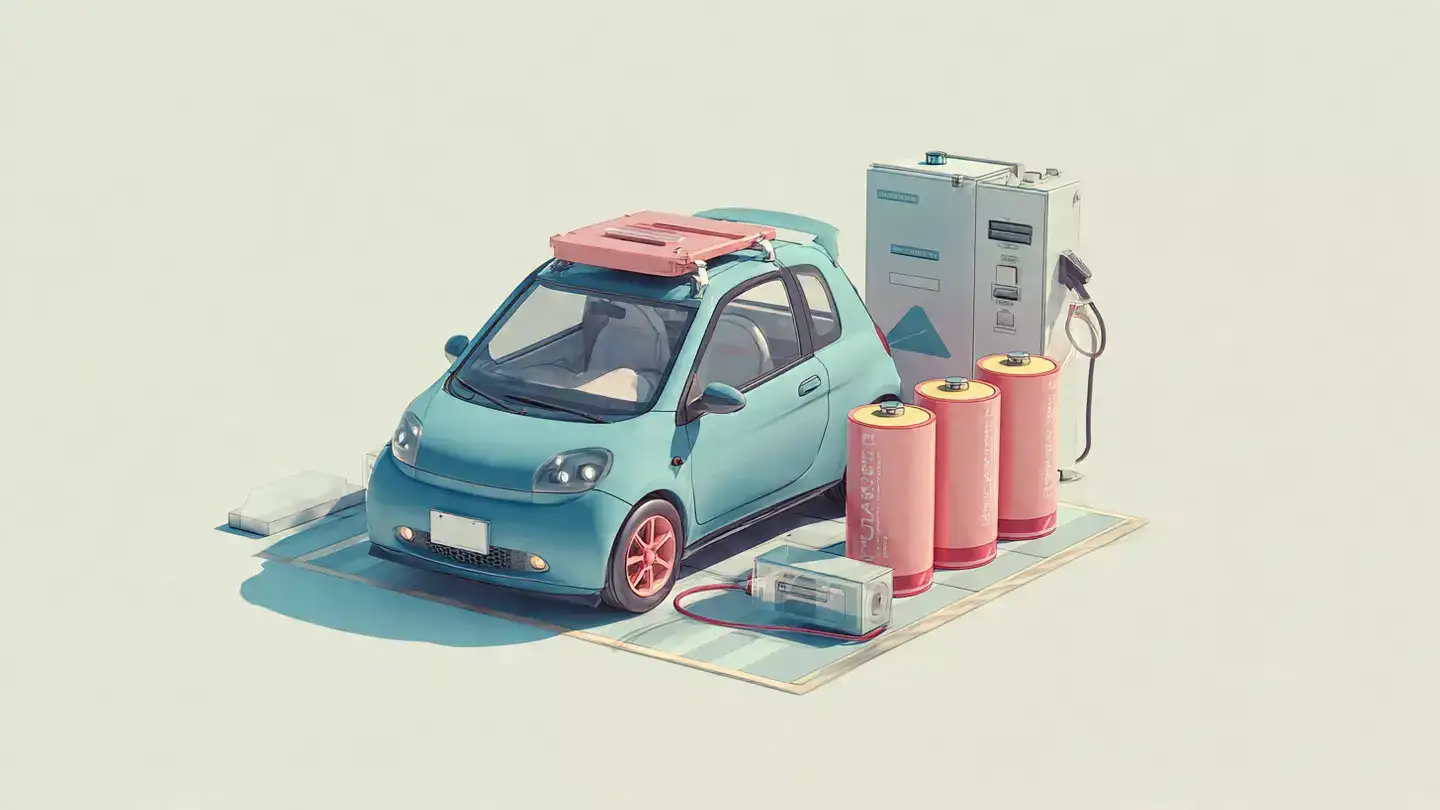
Despite the heavy push and lower prices, the Battery as a Service model is yet to catch on with buyers. Currently, as of early 2026, only 2,3% of electric vehicle buyers are opting for the subscription model, while the rest of the market is preferring to fully own their vehicles. This is not because of the financial implications but more on account of the psychological need of the Indian consumer to fully own the car people buy.
To the majority of Indian customers, a car is not just an object, but a status symbol. The notion of owning a car and 'renting' the battery does not compute. It is like buying a house and renting the land. This emotional disconnect has emerged to be the single biggest challenge for BaaS to overcome.
The practical side: The majority of customers do not like the idea of having to pay two separate bills ,a car loan EMI and a separate battery subscription. This 'double EMI' effect has created a psychological barrier, despite the attractive price point. The second challenge is the cost. BaaS may be attractive from a price point, but over time, the costs add up, especially for customers who use their cars extensively.
The per kilometer pricing negates the overall savings that an electric vehicle customer would enjoy over a petrol or diesel. And then there is the 18% GST on the battery subscription, much higher than the 5% on the overall electric vehicle purchase. The final challenge is the resale value. The Indian automobile market is based on the principle of high resale value. BaaS has created confusion and eroded confidence in the overall value proposition.
On the contrary, the full ownership model has its advantages. The customer only has to pay once and does not have to worry about recurring costs. It is a simple, hassle-free, and predictable model. It is in line with the Indian mindset, which prefers simplicity. In fact, for high-kilometre users, the battery ownership model is a much more economical option in the long run.
Nevertheless, BaaS is not an entirely dead concept. MG Motor India has been able to create a small market for BaaS. Around 12-15% of its electric vehicle customers prefer the subscription model for cars like the Comet and the ZS EV. Its flexible pricing model has been attractive to first-time customers, city users, and fleet owners. The overall market sentiment, however, still seems to be on the cautious side. Despite the price reduction, which has been as high as ₹4 lakh, the market is still not convinced. Industry leaders are slowly realizing this fact, and BaaS is being viewed as a showrooming device instead of a model of ownership.
While the concept of BaaS is not dead, it is certainly changing. To be successful in India, BaaS will have to establish trust, ease its contractual terms, and perhaps even offer guarantees in the form of buybacks. Until then, it is clear that consumers in India don’t just want to use their cars; they want to own every part of them, including the “heart” of the engine.
Image Courtesy: Meta AI
Despite the heavy push and lower prices, the Battery as a Service model is yet to catch on with buyers. Currently, as of early 2026, only 2,3% of electric vehicle buyers are opting for the subscription model, while the rest of the market is preferring to fully own their vehicles. This is not because of the financial implications but more on account of the psychological need of the Indian consumer to fully own the car people buy.
To the majority of Indian customers, a car is not just an object, but a status symbol. The notion of owning a car and 'renting' the battery does not compute. It is like buying a house and renting the land. This emotional disconnect has emerged to be the single biggest challenge for BaaS to overcome.
The practical side: The majority of customers do not like the idea of having to pay two separate bills ,a car loan EMI and a separate battery subscription. This 'double EMI' effect has created a psychological barrier, despite the attractive price point. The second challenge is the cost. BaaS may be attractive from a price point, but over time, the costs add up, especially for customers who use their cars extensively.
The per kilometer pricing negates the overall savings that an electric vehicle customer would enjoy over a petrol or diesel. And then there is the 18% GST on the battery subscription, much higher than the 5% on the overall electric vehicle purchase. The final challenge is the resale value. The Indian automobile market is based on the principle of high resale value. BaaS has created confusion and eroded confidence in the overall value proposition.
On the contrary, the full ownership model has its advantages. The customer only has to pay once and does not have to worry about recurring costs. It is a simple, hassle-free, and predictable model. It is in line with the Indian mindset, which prefers simplicity. In fact, for high-kilometre users, the battery ownership model is a much more economical option in the long run.
Nevertheless, BaaS is not an entirely dead concept. MG Motor India has been able to create a small market for BaaS. Around 12-15% of its electric vehicle customers prefer the subscription model for cars like the Comet and the ZS EV. Its flexible pricing model has been attractive to first-time customers, city users, and fleet owners. The overall market sentiment, however, still seems to be on the cautious side. Despite the price reduction, which has been as high as ₹4 lakh, the market is still not convinced. Industry leaders are slowly realizing this fact, and BaaS is being viewed as a showrooming device instead of a model of ownership.
While the concept of BaaS is not dead, it is certainly changing. To be successful in India, BaaS will have to establish trust, ease its contractual terms, and perhaps even offer guarantees in the form of buybacks. Until then, it is clear that consumers in India don’t just want to use their cars; they want to own every part of them, including the “heart” of the engine.
Image Courtesy: Meta AI
Next Story