
How Indian Families Can Make Their Cars Safer For Kids With Smart Add-ons

For Indian families, the car is more than a mode of transport—it is a shared space where children spend hours commuting to school, family outings, and long-distance trips. While modern cars offer basic safety features, ensuring child safety requires additional planning and the right add-ons. Indian road conditions, traffic behaviour, and long travel hours make it essential to adapt vehicles specifically for young passengers. From proper seating arrangements to smart accessories, small upgrades can significantly reduce risks. This guide explains how parents can make their cars safer for kids using essential features and practical enhancements suited to Indian families.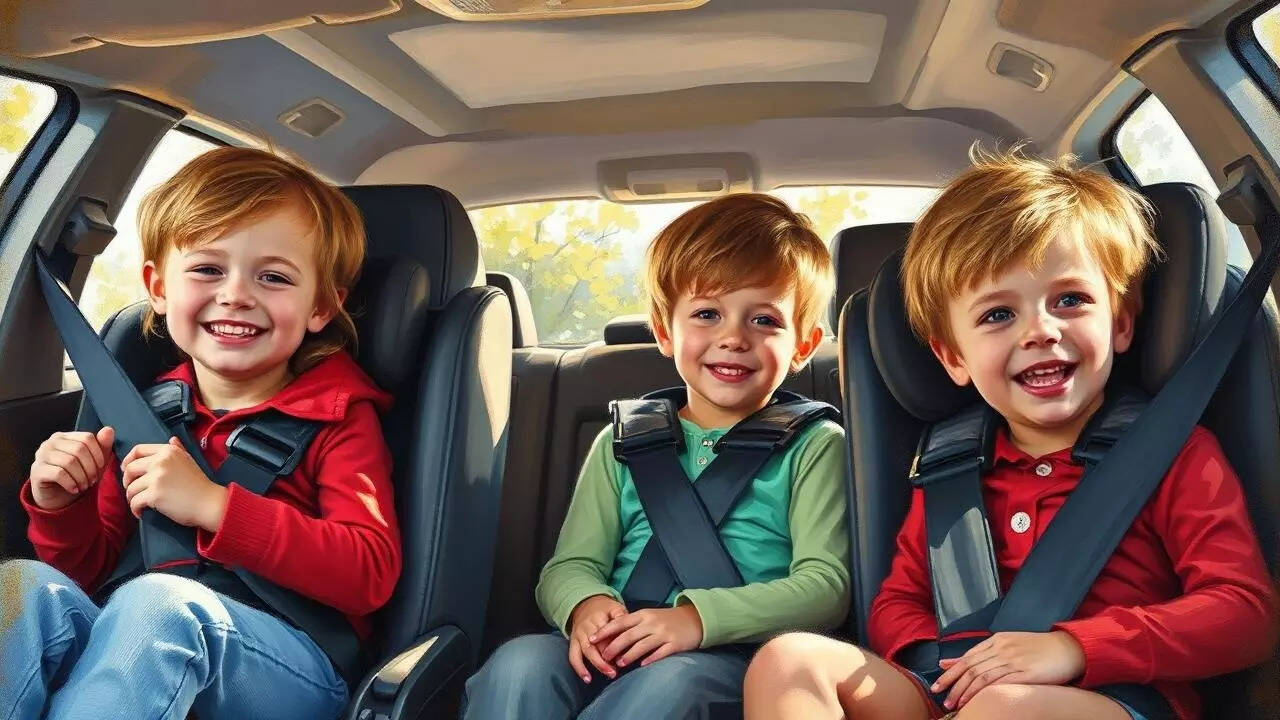
Choose Age-Appropriate Child Seating First
One of the most important steps in child safety is using the correct seating solution based on a child’s age and height. Infants should always be placed in rear-facing child seats, while toddlers and older children require forward-facing seats or booster seats. These seats distribute impact forces better during sudden braking or collisions. In India, many parents still allow children to sit on laps or in the front seat, which increases risk significantly. Installing a certified child seat and securing it properly is a non-negotiable safety measure for families.Seat Belts And ISOFIX Compatibility Matter
Seat belts alone are not designed for children, which is why compatibility with ISOFIX child seat anchors is a crucial feature. ISOFIX systems reduce installation errors and keep child seats firmly locked in place. If your car does not support ISOFIX, ensure the seat belt locking mechanism works correctly. Always check that belts are not twisted and fit snugly across the shoulder and chest, never across the neck or stomach. Proper restraint can drastically reduce injury during accidents.Activate And Adjust Child Lock Systems
Child lock features are essential, especially for younger children who may accidentally open doors or windows. Most modern cars in India offer rear door child locks, and many also include window lock functions. Activating these prevents distractions for the driver and ensures children remain safely seated throughout the journey. Parents should regularly check that these locks are functioning properly, particularly before long trips or school runs.Add Padded Interiors And Soft Edge Guards
Indian cars often have hard interior surfaces that can cause injury during sudden stops. Adding soft padding to sharp edges, seat corners, and door panels helps reduce impact injuries. Door edge guards and seat belt covers also improve comfort and safety for children. These simple add-ons are affordable, easy to install, and especially useful in city traffic where sudden braking is common.You may also like
 Cong on its toes as reports of Tharoor being wooed by Left fly thick and fast
- Ex-Ind Cricketer Issues Warning For Sanju Samson, “He Desperately Needs Runs Otherwise….”
 'Stabbed party in the back': CPI-M expels Kannur leader over Martyrs' fund allegations
- "India will remain saffron": UBT Sena's Anand Dubey hits back at AIMIM leaders' "pain Mumbra green" remarks
- The US foreign policy decisions that made — and unmade — American power
Ensure Proper Airbag Usage And Seating Position
Airbags can be dangerous for children if used incorrectly. Children should never sit in the front passenger seat if the airbag is active. The safest position for children is the rear seat, preferably the middle, where impact risk is lower. If a child must sit in the front seat due to space constraints, the airbag should be deactivated and the seat moved as far back as possible. Understanding airbag positioning is critical for child safety.Keep Cars Well-Ventilated And Temperature Controlled
Indian weather conditions make temperature regulation an important safety factor. Overheating can cause discomfort, dehydration, or health issues for children. Ensure air conditioning vents reach the rear seats and avoid direct airflow on infants. Sunshades for windows help reduce heat exposure and protect children from harsh sunlight. Never leave children unattended in parked cars, even for short durations, as temperatures can rise dangerously fast.Install Rear-View And Cabin Monitoring Tools
Rear-view cameras and parking sensors improve safety during manoeuvres, especially in crowded residential areas. For families with infants, cabin monitoring mirrors or digital monitors allow drivers to keep an eye on children without turning around. These tools reduce distraction and help parents respond quickly if a child becomes uncomfortable or unwell during travel.Maintain Emergency And First-Aid Preparedness
Every family car should carry a basic first-aid kit suitable for children. This includes bandages, antiseptic wipes, fever medication recommended by a doctor, and emergency contact numbers. Keeping a torch, warning triangle, and emergency hammer adds another layer of safety. Preparedness ensures parents can handle minor emergencies calmly while waiting for medical help if needed.Teach Children Safe Travel Habits
Safety is not only about features and add-ons but also about behaviour. Teach children to remain seated, avoid leaning out of windows, and keep seat belts fastened at all times. Making safety rules part of everyday travel builds habits that protect children as they grow older. Calm reminders and consistent routines reinforce responsible behaviour on the road.





More from our partners


Loving Newspoint? Download the app now
