
How Old Are Your Car Tyres? Check the Manufacturing Date

Most car owners focus on engine oil, fuel efficiency, and servicing schedules but tyres often get ignored until something goes wrong. What many don’t realise is that tyres age even if they look perfectly fine. Driving on old tyres can quietly reduce grip, affect braking, and increase the risk of a blowout. The good news? Checking your tyre’s age takes less than a minute.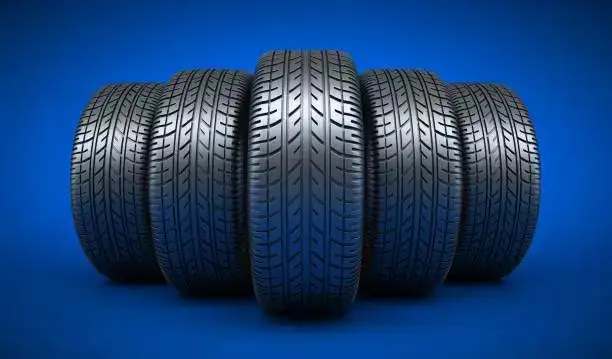
Here’s a simple, no-jargon guide to understanding tyre manufacturing dates and why they matter.
Why Tyre Age Is More Important Than You Think
Tyres are made of rubber compounds that slowly harden over time. Heat, sunlight, and road conditions accelerate this process. Even if the tread looks deep and the tyre hasn’t been used much, age alone can make it unsafe.
Most experts recommend replacing car tyres every 5–6 years, regardless of mileage. In hot climates like India, ageing can happen even faster.
How to Check the Manufacturing Date on Your Tyres
You don’t need any tools just look closely at the sidewall of your tyre.
Find a code that starts with “DOT” (Department of Transportation). At the end of this code, you’ll see four digits. These numbers reveal when the tyre was made.
Example: DOT XXXX 3522
This tyre was manufactured in August 2022.
If your tyre shows only three digits, it means it was made before the year 2000 and should be replaced immediately.
What’s Considered an “Old” Tyre?
Spare tyres are often forgotten but age the same way. Always check them too.
Signs Your Tyres Are Ageing
Even before the date becomes a concern, watch out for:
If you notice any of these, it’s safer to replace the tyre regardless of tread depth.
Buying New Tyres? Check This First
When buying tyres, always check the manufacturing date before installation. A “new” tyre sitting in a warehouse for two years is already ageing. Ideally, buy tyres that are less than 6–12 months old.
Tyres are your car’s only contact with the road. Ignoring their age can compromise safety, fuel efficiency, and driving comfort. Checking the manufacturing date is quick, easy, and could prevent serious accidents.
So next time you wash your car or check tyre pressure, take a moment to read that DOT code. Your safety and your tyres depend on it.
Here’s a simple, no-jargon guide to understanding tyre manufacturing dates and why they matter.
Why Tyre Age Is More Important Than You Think
Tyres are made of rubber compounds that slowly harden over time. Heat, sunlight, and road conditions accelerate this process. Even if the tread looks deep and the tyre hasn’t been used much, age alone can make it unsafe.
Most experts recommend replacing car tyres every 5–6 years, regardless of mileage. In hot climates like India, ageing can happen even faster.
How to Check the Manufacturing Date on Your Tyres
You don’t need any tools just look closely at the sidewall of your tyre.
Find a code that starts with “DOT” (Department of Transportation). At the end of this code, you’ll see four digits. These numbers reveal when the tyre was made.
Example: DOT XXXX 3522
- 35 = 35th week
- 22 = Year 2022
This tyre was manufactured in August 2022.
If your tyre shows only three digits, it means it was made before the year 2000 and should be replaced immediately.
What’s Considered an “Old” Tyre?
- 0–3 years: Safe and fresh
- 3–5 years: Usable, but inspect regularly
- 5–6 years: Plan replacement soon
- 6+ years: Not recommended, even if unused
Spare tyres are often forgotten but age the same way. Always check them too.
Signs Your Tyres Are Ageing
Even before the date becomes a concern, watch out for:
- Small cracks on the sidewalls
- Hard or brittle rubber
- Frequent air pressure loss
- Increased road noise or reduced grip
If you notice any of these, it’s safer to replace the tyre regardless of tread depth.
Buying New Tyres? Check This First
When buying tyres, always check the manufacturing date before installation. A “new” tyre sitting in a warehouse for two years is already ageing. Ideally, buy tyres that are less than 6–12 months old.
Tyres are your car’s only contact with the road. Ignoring their age can compromise safety, fuel efficiency, and driving comfort. Checking the manufacturing date is quick, easy, and could prevent serious accidents.
So next time you wash your car or check tyre pressure, take a moment to read that DOT code. Your safety and your tyres depend on it.
Next Story