
How To Choose The Right Car Cover For Indian Weather And Daily Parking Challenges

India’s diverse climate and challenging parking conditions make protecting a car far more complicated than it seems. From scorching summer heat and heavy monsoon rains to dust-filled air and bird droppings, vehicles are constantly exposed to elements that can damage paint, interiors and mechanical components over time. Whether a car is parked outdoors on a busy street or under a covered parking space, choosing the right car cover plays a vital role in long-term maintenance. Understanding material quality, weather resistance and parking needs can help Indian car owners select a cover that truly protects rather than causes harm.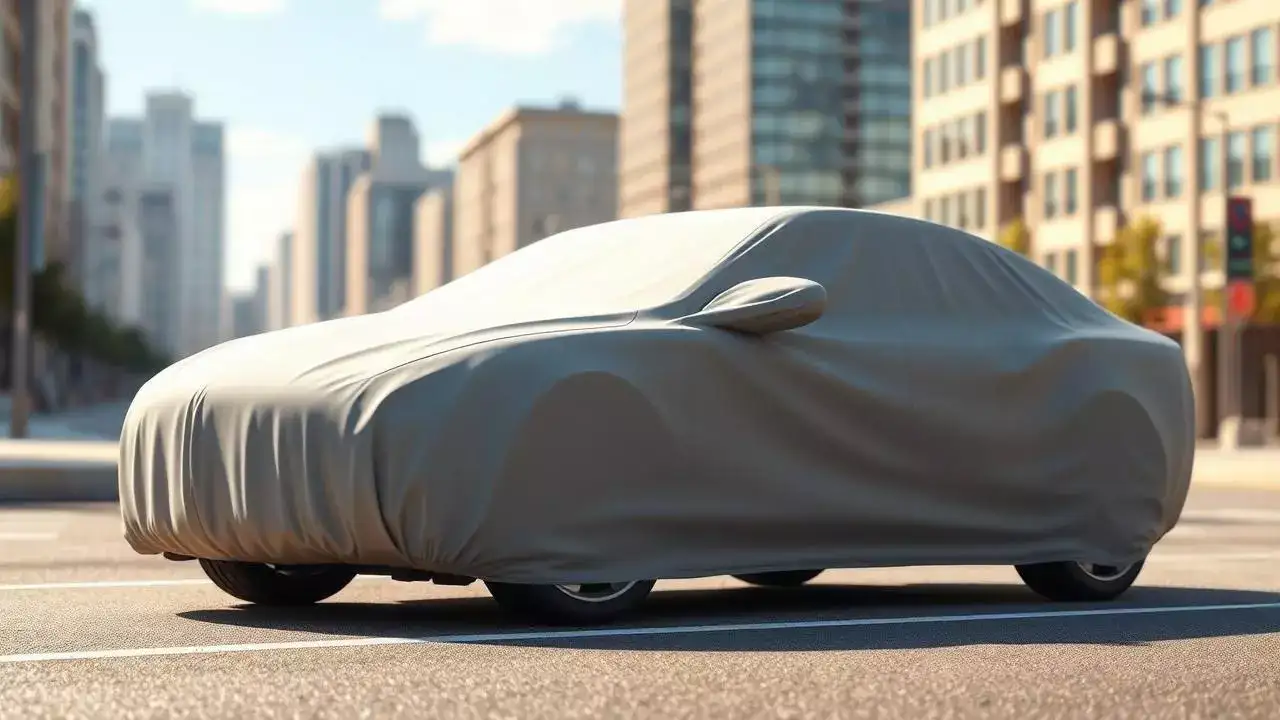
Why A Car Cover Matters In Indian Conditions
Indian weather varies sharply across regions, but exposure remains a common issue everywhere. Prolonged sunlight can fade paint and crack dashboards, while monsoon moisture encourages rust and fungal growth. In urban areas, pollution, dust and construction debris settle quickly on parked vehicles. A well-chosen car cover acts as a protective barrier, reducing wear and preserving the car’s resale value. However, an ill-fitting or poorly designed cover can trap moisture or scratch the paint, making selection just as important as usage.Understanding Indoor And Outdoor Parking Needs
The first step in choosing a car cover is assessing where the vehicle is usually parked. Cars parked outdoors require heavier protection compared to those kept in covered or basement parking. For outdoor parking, the car cover should be weatherproof, UV-resistant and capable of handling rain, dust and bird droppings. Indoor or semi-covered parking allows for lighter, breathable covers that mainly protect against dust and minor scratches. Selecting a cover based on actual parking conditions ensures better performance and durability.Choosing The Right Material For Indian Weather
Material plays a crucial role in how effective a car cover is. Multi-layer fabrics are generally better suited for Indian conditions as they balance protection and breathability. Polyester and polypropylene blends are popular choices as they resist UV rays while remaining lightweight. During the monsoon, water-resistant outer layers are important, but the inner lining should be soft to prevent scratches. Fully waterproof covers may seem attractive but can trap moisture if ventilation is poor, leading to corrosion. Breathable materials help release trapped heat and moisture, especially in humid regions.Importance Of UV And Heat Protection
India’s intense sunlight can significantly damage car exteriors and interiors. Prolonged UV exposure causes paint fading, rubber degradation and interior cracking. A car cover with UV-resistant coating reflects sunlight and reduces heat build-up inside the vehicle. Silver or light-coloured covers generally perform better in reflecting heat compared to darker shades. Heat protection is especially important for cars parked outdoors for long hours in cities and open residential areas.Proper Fit And Secure Design
A good car cover should fit the vehicle snugly without being too tight. Loose covers flap in the wind, which can cause scratches on the paint surface. Model-specific or size-specific covers offer better protection than universal ones. Elastic hems, buckle straps and mirror pockets help keep the cover in place during strong winds. For areas prone to storms or heavy winds, choosing a cover with underbody straps adds an extra layer of security.Ventilation And Moisture Control
Moisture is one of the biggest threats to parked cars in India, especially during the monsoon season. A car cover should allow air circulation to prevent condensation from building up underneath. Some covers come with built-in air vents that improve airflow without letting dust or rain enter. This feature is particularly useful in coastal and humid regions where moisture retention can quickly lead to rust and unpleasant odours inside the car.Ease Of Use And Maintenance
Daily usability is often overlooked when buying a car cover. A cover that is too heavy or complicated to fold may discourage regular use. Lightweight covers with storage bags are easier to manage, especially for daily commuters. Maintenance is equally important, as dirty covers can scratch the car surface. Choosing a cover that is easy to clean and quick to dry ensures consistent protection without added hassle.Long-Term Value Over Price
While budget is an important consideration, choosing the cheapest option often leads to poor durability and reduced protection. Investing in a good quality car cover saves money in the long run by reducing repainting costs and interior repairs. A durable cover designed for Indian weather conditions offers better value than frequently replacing low-quality alternatives.Making The Right Choice For Your Car
Choosing the right car cover is about balancing protection, practicality and durability. By considering parking conditions, climate exposure and material quality, Indian car owners can significantly extend their vehicle’s lifespan. A well-fitted, breathable and weather-resistant car cover acts as a simple yet effective shield against everyday environmental damage.Next Story