
India Auto Sales Set to Hit Record 29.5 Million Units as EV Growth Accelerates

India’s automobile industry is heading toward a historic milestone, with total auto sales expected to reach 29.5 million units. This surge highlights strong demand across segments, while electric vehicles continue to gain momentum and reshape the market.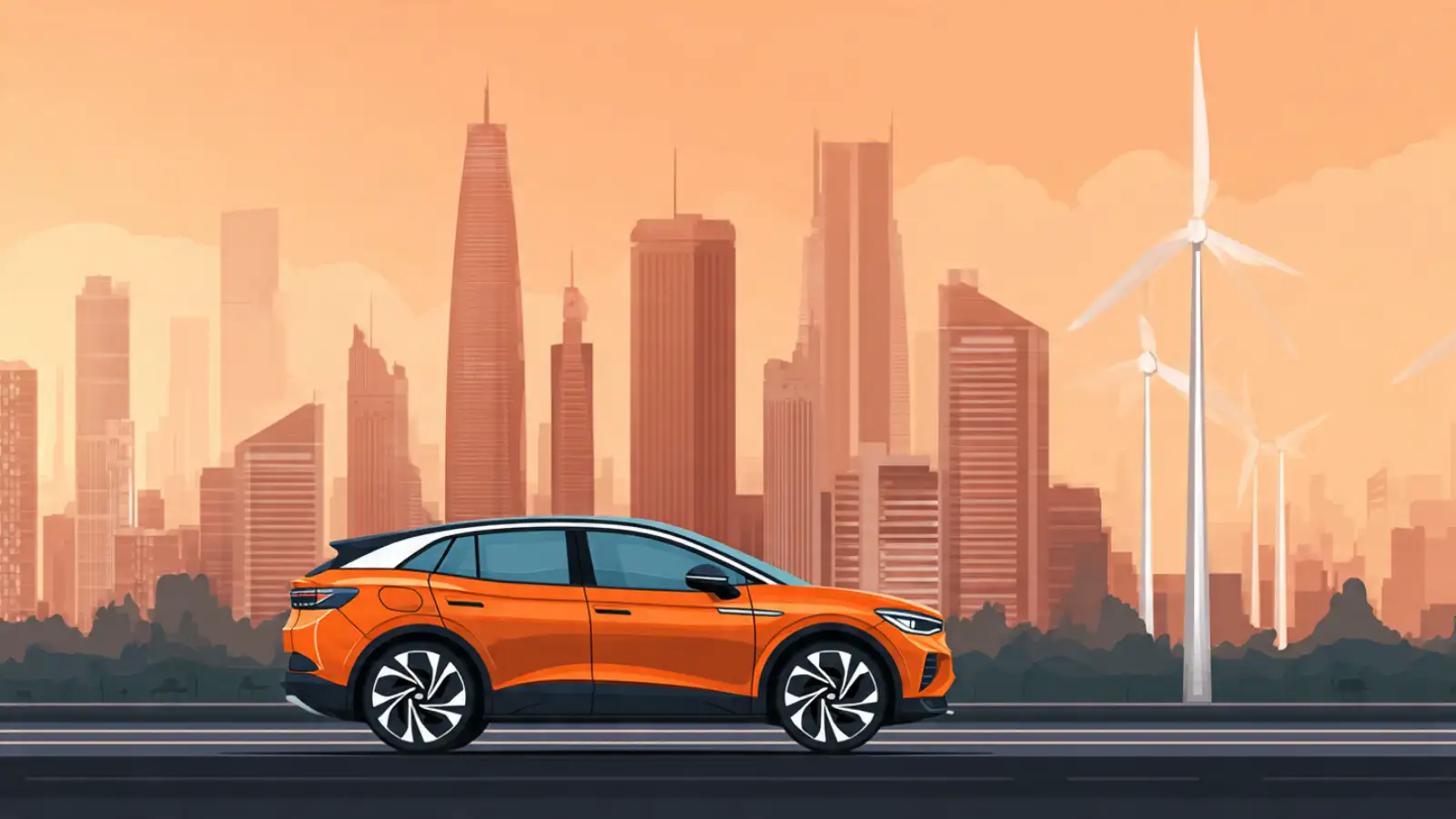
The steady growth in India auto sales reflects improving consumer sentiment, policy support, and a gradual shift toward cleaner mobility solutions, especially EVs.
This growth builds on the strong performance seen in recent years, supported by better financing availability, stable incomes, and rising urban demand.
At the same time, changing consumer preferences are influencing buying decisions, with SUVs and alternative fuel vehicles gaining popularity across segments.
Electric vehicle sales have shown strong year-on-year growth, especially in the two-wheeler and passenger vehicle segments. For instance, EV retail sales have expanded significantly, with electric passenger vehicles growing sharply and market penetration improving.
This trend indicates that EVs are becoming a more practical and attractive option for Indian consumers, supported by improving product offerings and cost economics.
Higher adoption is being driven by better awareness, improved technology, and expanding model choices. However, affordability and infrastructure challenges still play a key role in determining how quickly EVs scale up.
At the same time, geopolitical tensions and fluctuating fuel prices can influence consumer sentiment and impact demand patterns.
Despite these hurdles, the long-term outlook for the Indian automobile sector remains positive, supported by policy initiatives and increasing focus on sustainable mobility.
As EV adoption accelerates and consumer demand evolves, the Indian auto sector is set to enter a new phase of growth, balancing traditional demand with the transition to cleaner and more efficient mobility solutions.
The steady growth in India auto sales reflects improving consumer sentiment, policy support, and a gradual shift toward cleaner mobility solutions, especially EVs.
Strong Growth Momentum Across Vehicle Segments
India’s auto industry is witnessing consistent expansion, driven by demand across passenger vehicles, two-wheelers, and commercial vehicles. The projected 29.5 million units mark a new high, signaling the sector’s resilience and long-term growth potential.This growth builds on the strong performance seen in recent years, supported by better financing availability, stable incomes, and rising urban demand.
At the same time, changing consumer preferences are influencing buying decisions, with SUVs and alternative fuel vehicles gaining popularity across segments.
Electric Vehicles Lead the Next Phase of Growth
A key highlight of the India auto sales story is the rapid rise of electric vehicles. EV adoption is no longer limited to policy push alone, as market-driven demand continues to strengthen.Electric vehicle sales have shown strong year-on-year growth, especially in the two-wheeler and passenger vehicle segments. For instance, EV retail sales have expanded significantly, with electric passenger vehicles growing sharply and market penetration improving.
This trend indicates that EVs are becoming a more practical and attractive option for Indian consumers, supported by improving product offerings and cost economics.
EV Penetration Still Low but Nearing a Turning Point
Despite the strong growth, EV penetration in India remains relatively low compared to the overall auto market. Industry estimates suggest EV penetration was around 4 to 5 percent in recent years, but it is now approaching a potential inflection point.Higher adoption is being driven by better awareness, improved technology, and expanding model choices. However, affordability and infrastructure challenges still play a key role in determining how quickly EVs scale up.
Challenges Remain for Sustained Auto Growth
While India auto sales are on track to hit record levels, the industry continues to face several challenges. Rising input costs, global uncertainties, and infrastructure gaps, especially for EV charging, remain key concerns.At the same time, geopolitical tensions and fluctuating fuel prices can influence consumer sentiment and impact demand patterns.
Despite these hurdles, the long-term outlook for the Indian automobile sector remains positive, supported by policy initiatives and increasing focus on sustainable mobility.
Outlook: Strong Future for India’s Auto Industry
With total auto sales expected to touch 29.5 million units, India is reinforcing its position as one of the world’s largest automobile markets. The growing role of electric vehicles signals a major transformation in the industry.As EV adoption accelerates and consumer demand evolves, the Indian auto sector is set to enter a new phase of growth, balancing traditional demand with the transition to cleaner and more efficient mobility solutions.
Next Story