
New Traffic Rules in India: License Suspension After Repeated Violations

India may soon tighten the screws on careless driving with a new point based license system that directly links traffic violations to the right to drive. The proposed reform aims to make roads safer by holding repeat offenders more accountable.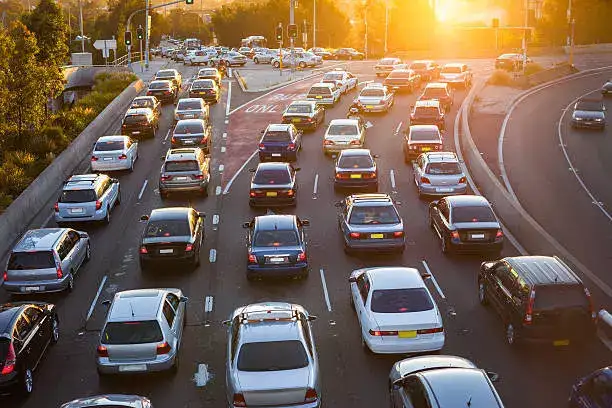
Speaking at the National Conclave on Road Safety organised by Confederation of Indian Industry in New Delhi, Union Road Transport and Highways Minister Nitin Gadkari highlighted the urgent need for stricter enforcement. He stressed that human life is invaluable and said the government is exploring stronger measures to improve road discipline across the country.
The numbers paint a worrying picture. India sees nearly five lakh road accidents every year, leading to around 1.8 lakh deaths. A large number of these tragedies are linked to risky behaviour such as overspeeding, drunk driving, using mobile phones behind the wheel and driving on the wrong side. Despite increased fines in recent years, enforcement gaps and a lack of fear of penalties continue to undermine road safety efforts.
How the new point system may work
Under the proposed mechanism, every driver would begin with a fixed number of points on their license. Each traffic offence would lead to a deduction of points depending on the severity of the violation. Once all points are used up, the license could be suspended for six months. If violations continue even after that, authorities may cancel the license altogether.
The idea is simple. Instead of one time penalties that drivers may ignore, the system creates a cumulative record of behaviour. Repeat mistakes would carry serious consequences, making drivers think twice before breaking the rules.
Road safety remains a pressing concern, especially among young and working age citizens. Official data shows that about 72 per cent of road accident deaths occur in the 18 to 45 age group. Alarmingly, over 10,000 victims are below 18 years of age.
If implemented effectively, the point based license system could mark a significant shift in how traffic laws are enforced in India. The goal is not just to punish offenders but to encourage safer habits and ultimately save lives on the road.
Speaking at the National Conclave on Road Safety organised by Confederation of Indian Industry in New Delhi, Union Road Transport and Highways Minister Nitin Gadkari highlighted the urgent need for stricter enforcement. He stressed that human life is invaluable and said the government is exploring stronger measures to improve road discipline across the country.
The numbers paint a worrying picture. India sees nearly five lakh road accidents every year, leading to around 1.8 lakh deaths. A large number of these tragedies are linked to risky behaviour such as overspeeding, drunk driving, using mobile phones behind the wheel and driving on the wrong side. Despite increased fines in recent years, enforcement gaps and a lack of fear of penalties continue to undermine road safety efforts.
How the new point system may work
Under the proposed mechanism, every driver would begin with a fixed number of points on their license. Each traffic offence would lead to a deduction of points depending on the severity of the violation. Once all points are used up, the license could be suspended for six months. If violations continue even after that, authorities may cancel the license altogether.
The idea is simple. Instead of one time penalties that drivers may ignore, the system creates a cumulative record of behaviour. Repeat mistakes would carry serious consequences, making drivers think twice before breaking the rules.
Road safety remains a pressing concern, especially among young and working age citizens. Official data shows that about 72 per cent of road accident deaths occur in the 18 to 45 age group. Alarmingly, over 10,000 victims are below 18 years of age.
If implemented effectively, the point based license system could mark a significant shift in how traffic laws are enforced in India. The goal is not just to punish offenders but to encourage safer habits and ultimately save lives on the road.
Next Story