
Maruti Ignis Discontinued After 9 Years, Marking the End of an Unconventional Urban Hatchback?

In a significant shift within India’s entry level premium car segment, Maruti Suzuki has reportedly discontinued the Maruti Ignis , marking the end of one of its most distinctive urban hatchbacks. While the company has not yet made an official announcement, dealer level confirmations and reports suggest the production has ceased and bookings have been halted across Nexa dealerships.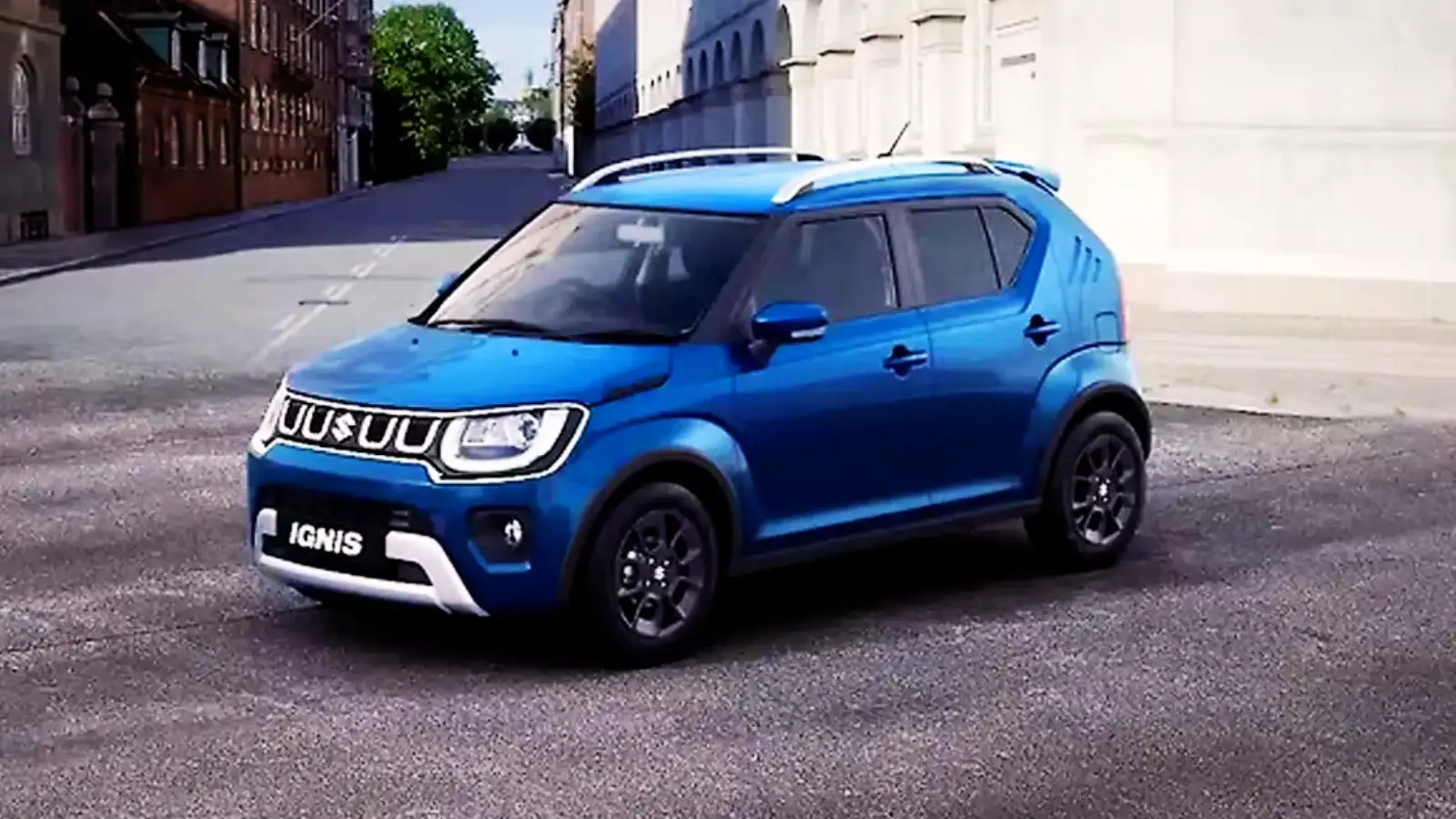
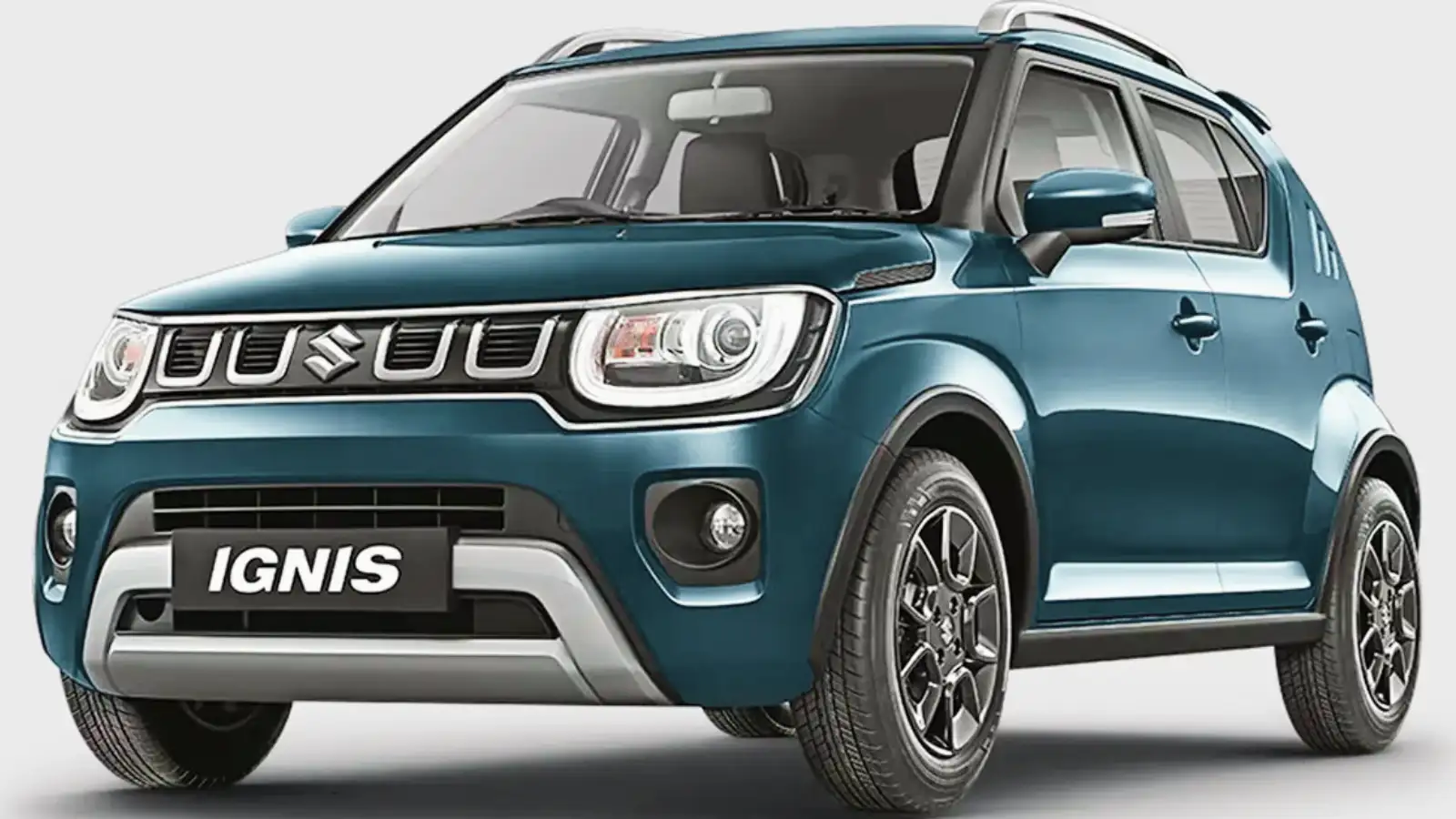
Launched in 2017 and facelifted in 2020, the Ignis stood out in a crowded hatchback market for its quirky design, tall boy stance and Suv inspired styling cues. It was positioned as a youthful, urban focused car sold through Maruti’s premium Nexa retail channel. Over the years, the model built a niche following among buyers looking for something different from conventional hatchbacks like the Swift or Grand I10.
The discontinuation appears to be the result of multiple factors, primarily declining sales and increasing competition. In recent years, the Ignis struggled to maintain relevance against newer rivals such as micro- SUVs and feature rich hatchbacks.
Reports indicate that monthly sales had dropped significantly, reflecting weaker demand in a rapidly evolving segment.
Additionally, the Ignis did not receive major updates in terms of safety features, technology or powertrain. It continued with the 1.2 litre K12M petrol engine and offered limited advancements compared to newer competitors. Industry observers note that its relatively basic safety package and aging platform made it less competitive, especially as Indian consumers increasingly prioritize safety and modern features.
Another key factor is changing consumer preference. Buyers in India are rapidly shifting towards SUV styled vehicles, even in the entry level price range. This trend has reduced demand for traditional hatchbacks, pushing manufacturers to rethink product portfolio.
Maruti Suzuki is working on a B-segment SUV , likely to arrive later this year or early next year. Currently codenamed Y43, the production form of this SUV will compete with models like the Hyundai Exter and the Tata Punch . The Punch currently has a strong foothold in this segment and will thus be its strongest opponent. Previously, Maruti Suzuki used the Ignis (essentially a high-riding hatchback) to compete with the Punch. The Y43’s production form will thus take the place of the now-discontinued Ignis, when launched.
The production-spec Y43 is expected to come with a 1.2L petrol engine, likely Dualjet equipped, and will sit below the Brezza in Maruti Suzuki’s portfolio. It will most likely be sold through NEXA dealerships.
Beating the Punch is now tougher than what it used to be a year ago. The recent facelift has given this micro-SUV a peppier turbo-petrol engine, addressing one of its biggest weaknesses- lack of proper punch! It is now much fun to drive and comes with a wide range of powertrain choices- naturally aspirated petrol, turbocharged petrol, electric and CNG. The powertrain direction that Maruti Suzuki would take with the Y43 remains unclear for now.
Launched in 2017 and facelifted in 2020, the Ignis stood out in a crowded hatchback market for its quirky design, tall boy stance and Suv inspired styling cues. It was positioned as a youthful, urban focused car sold through Maruti’s premium Nexa retail channel. Over the years, the model built a niche following among buyers looking for something different from conventional hatchbacks like the Swift or Grand I10.
Why was it discontinued
The discontinuation appears to be the result of multiple factors, primarily declining sales and increasing competition. In recent years, the Ignis struggled to maintain relevance against newer rivals such as micro- SUVs and feature rich hatchbacks.
Reports indicate that monthly sales had dropped significantly, reflecting weaker demand in a rapidly evolving segment.
Additionally, the Ignis did not receive major updates in terms of safety features, technology or powertrain. It continued with the 1.2 litre K12M petrol engine and offered limited advancements compared to newer competitors. Industry observers note that its relatively basic safety package and aging platform made it less competitive, especially as Indian consumers increasingly prioritize safety and modern features.
Another key factor is changing consumer preference. Buyers in India are rapidly shifting towards SUV styled vehicles, even in the entry level price range. This trend has reduced demand for traditional hatchbacks, pushing manufacturers to rethink product portfolio.
Who to replace it
Maruti Suzuki is working on a B-segment SUV , likely to arrive later this year or early next year. Currently codenamed Y43, the production form of this SUV will compete with models like the Hyundai Exter and the Tata Punch . The Punch currently has a strong foothold in this segment and will thus be its strongest opponent. Previously, Maruti Suzuki used the Ignis (essentially a high-riding hatchback) to compete with the Punch. The Y43’s production form will thus take the place of the now-discontinued Ignis, when launched.
The production-spec Y43 is expected to come with a 1.2L petrol engine, likely Dualjet equipped, and will sit below the Brezza in Maruti Suzuki’s portfolio. It will most likely be sold through NEXA dealerships.
Beating the Punch is now tougher than what it used to be a year ago. The recent facelift has given this micro-SUV a peppier turbo-petrol engine, addressing one of its biggest weaknesses- lack of proper punch! It is now much fun to drive and comes with a wide range of powertrain choices- naturally aspirated petrol, turbocharged petrol, electric and CNG. The powertrain direction that Maruti Suzuki would take with the Y43 remains unclear for now.
Next Story