
New Car Feature Lets You Make Calls Where Mobile Networks Fail

Imagine this: you’re cruising down a scenic highway, enjoying the drive, when suddenly your phone loses signal. No calls, no messages, no way to reach help. This scenario is all too common on remote highways, hill roads, or even some expressways. For many drivers, these coverage gaps can turn a simple breakdown or emergency into a stressful situation.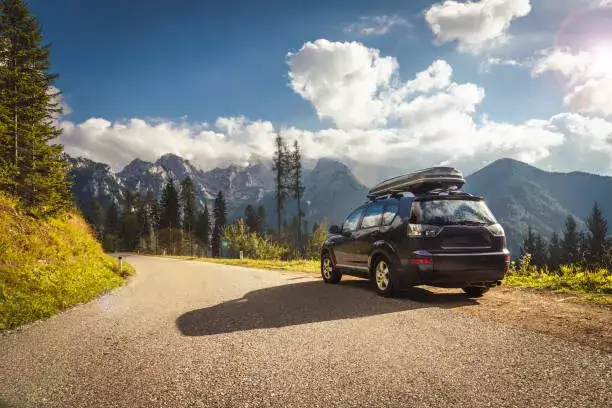
At MWC Barcelona 2026, HARMAN and Viasat showcased a technology that could change this. They’ve introduced in-cabin voice calling using satellite connectivity, giving drivers the ability to make important calls even when mobile networks fail.
How Satellite Calling Works
The system acts as a backup to traditional 4G and 5G networks. When cellular coverage drops, the car automatically switches to satellite for essential communication. This allows drivers to contact emergency services, roadside assistance, or family members, ensuring safety even in isolated areas.
HARMAN’s Ready Connect TCU works with Viasat’s Mobile Satellite Services network. The hardware supports 4G, 5G, and low-data satellite connectivity using a single platform. Viasat provides access to its satellite network along with licensed global spectrum rights, ensuring reliable coverage in areas where traditional mobile networks struggle.
Why This Matters in India
In India, many long drives pass through regions with weak or no signal. A car breakdown late at night on a remote highway or a medical emergency on a hill road can quickly become dangerous without a way to call for help. Satellite calling ensures that drivers have a lifeline when they need it most, making road trips safer and more secure.
More Than Just Voice Calls
While the initial focus is on low-data, safety-critical communication like voice calls, the partnership also opens doors to other possibilities. Satellite connectivity can support messaging, SOS alerts, and telematics functions. Future services may include remote vehicle operation, stolen vehicle tracking, and diagnostics, even in areas with unreliable cellular coverage.
This technology doesn’t aim to replace mobile networks but complements them. It fills coverage gaps, providing peace of mind to drivers who travel through remote or challenging terrains. For long-distance travelers, adventurers, or anyone commuting through areas with patchy mobile networks, satellite calling could soon become an essential car feature.
A Step Toward Safer Driving
With satellite calling, drivers no longer have to fear being cut off from help when they need it most. From emergencies to everyday communication in coverage black spots, this technology is set to redefine what it means to stay connected on the road.
At MWC Barcelona 2026, HARMAN and Viasat showcased a technology that could change this. They’ve introduced in-cabin voice calling using satellite connectivity, giving drivers the ability to make important calls even when mobile networks fail.
How Satellite Calling Works
The system acts as a backup to traditional 4G and 5G networks. When cellular coverage drops, the car automatically switches to satellite for essential communication. This allows drivers to contact emergency services, roadside assistance, or family members, ensuring safety even in isolated areas.HARMAN’s Ready Connect TCU works with Viasat’s Mobile Satellite Services network. The hardware supports 4G, 5G, and low-data satellite connectivity using a single platform. Viasat provides access to its satellite network along with licensed global spectrum rights, ensuring reliable coverage in areas where traditional mobile networks struggle.
Why This Matters in India
In India, many long drives pass through regions with weak or no signal. A car breakdown late at night on a remote highway or a medical emergency on a hill road can quickly become dangerous without a way to call for help. Satellite calling ensures that drivers have a lifeline when they need it most, making road trips safer and more secure.More Than Just Voice Calls
While the initial focus is on low-data, safety-critical communication like voice calls, the partnership also opens doors to other possibilities. Satellite connectivity can support messaging, SOS alerts, and telematics functions. Future services may include remote vehicle operation, stolen vehicle tracking, and diagnostics, even in areas with unreliable cellular coverage. This technology doesn’t aim to replace mobile networks but complements them. It fills coverage gaps, providing peace of mind to drivers who travel through remote or challenging terrains. For long-distance travelers, adventurers, or anyone commuting through areas with patchy mobile networks, satellite calling could soon become an essential car feature.
A Step Toward Safer Driving
With satellite calling, drivers no longer have to fear being cut off from help when they need it most. From emergencies to everyday communication in coverage black spots, this technology is set to redefine what it means to stay connected on the road. Next Story