
Tata Nano EV’s 2026 India Return Could Finally Fulfil Ratan Tata’s Vision Of Affordable Electric Mobility

The Tata Nano, once remembered as one of the most talked-about cars in India’s automotive journey, may be preparing for a fresh innings in an all-electric form. Expected to return in 2026, the Tata Nano EV could transform the legacy of the iconic small car into a modern urban mobility solution designed for today’s practical buyers. With fuel prices continuing to pressure household budgets and cities becoming more congested, this electric reboot appears timely.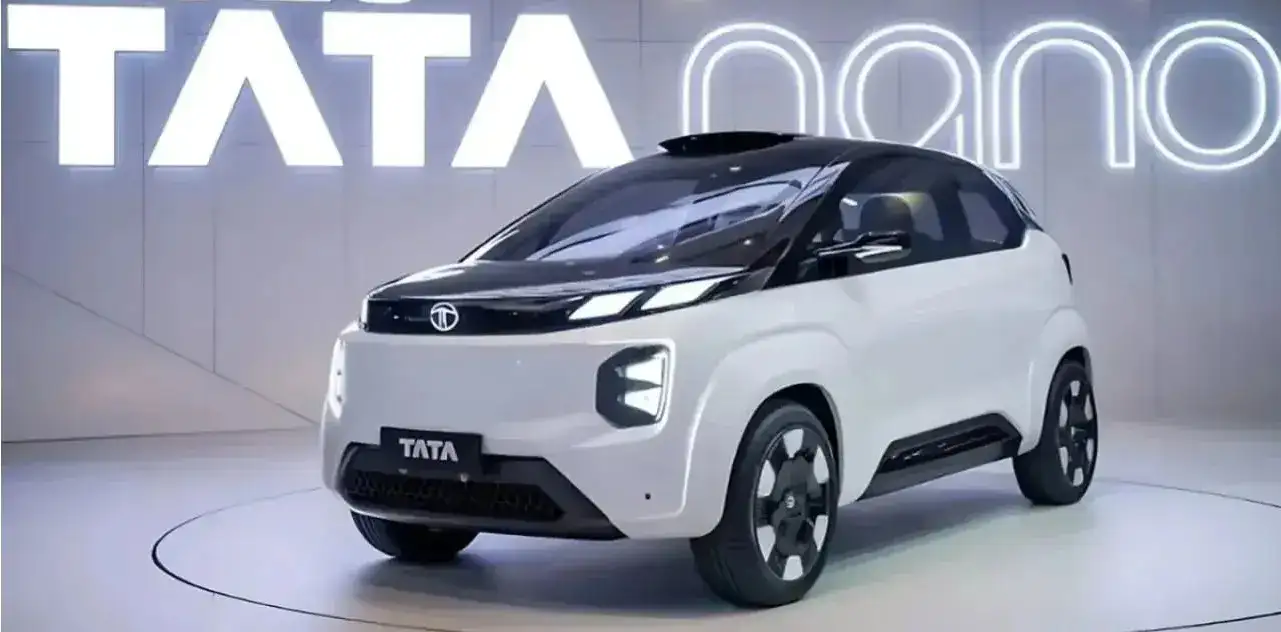
For families planning to move up from a two-wheeler to a safer four-wheeler, the Nano EV could emerge as a sensible and cost-efficient option. The expected combination of compact dimensions, electric power, and modern features may position it as a highly relevant city car for the next generation of Indian commuters.
Consumer priorities have evolved significantly. Buyers now increasingly value practicality, running costs, sustainability and convenience over pure styling statements. In that context, the Nano EV has the potential to re-enter the market with a far stronger identity than before.
The expected Nano EV is likely to retain its easy-to-drive proportions, making lane changes, U-turns, and parking in narrow spaces far less stressful. For office commutes, neighbourhood errands, school drops, and short-distance family use, this format remains highly practical.
Its small turning radius and lightweight structure could also make it especially appealing for first-time car buyers upgrading from bikes or scooters. For many middle-class households, it may strike the right balance between affordability, comfort and safety.
For buyers currently considering premium scooters or entry-level petrol hatchbacks, this could become an attractive alternative. The appeal lies not just in lower running costs, but in the added benefits of a steel roof, enclosed cabin, air conditioning, and better weather protection for families.
That practical jump from two wheels to four wheels may be where the Nano EV finds its strongest demand.
The likely four-door layout would also work strongly in its favour. Compared with some ultra-compact city EVs that compromise on rear-seat access, this format improves daily usability and makes the vehicle more family-friendly.
Additional EV-specific technologies such as regenerative braking and selectable drive modes may further improve efficiency while making the drive smoother in stop-start city traffic. These features can help maximise range and enhance the overall ownership experience.
Against this backdrop, the Nano EV could benefit from both nostalgia and market relevance. Its return would not simply be about reviving a legacy nameplate, but about repositioning it for a new era of smart, sustainable and family-oriented commuting.
If Tata Motors gets the pricing, range and practicality right, the Nano EV may well become one of the most closely watched electric car launches of 2026.
For families planning to move up from a two-wheeler to a safer four-wheeler, the Nano EV could emerge as a sensible and cost-efficient option. The expected combination of compact dimensions, electric power, and modern features may position it as a highly relevant city car for the next generation of Indian commuters.
A New Chapter In Ratan Tata’s Vision
The Nano was originally born from a deeply practical idea — offering Indian families a safer alternative to scooters and motorcycles. That broader vision still feels relevant, perhaps even more so in today’s urban environment. If the Nano returns as an EV, it would no longer be viewed through the lens of its earlier low-cost image. Instead, it could be embraced as a smart, efficient and forward-looking mobility choice.Consumer priorities have evolved significantly. Buyers now increasingly value practicality, running costs, sustainability and convenience over pure styling statements. In that context, the Nano EV has the potential to re-enter the market with a far stronger identity than before.
Built For India’s Crowded Cities
One of the biggest strengths of the Nano has always been its city-friendly footprint. In dense urban centres where traffic congestion and parking remain daily challenges, a compact electric hatchback can be a highly effective solution.The expected Nano EV is likely to retain its easy-to-drive proportions, making lane changes, U-turns, and parking in narrow spaces far less stressful. For office commutes, neighbourhood errands, school drops, and short-distance family use, this format remains highly practical.
Its small turning radius and lightweight structure could also make it especially appealing for first-time car buyers upgrading from bikes or scooters. For many middle-class households, it may strike the right balance between affordability, comfort and safety.
Expected Pricing Could Make It A Strong Upgrade
The expected price bracket of ₹7 lakh to ₹9 lakh places the Nano EV in an interesting position within India’s evolving electric car space. While it is significantly above the original Nano’s historic pricing, the inclusion of EV technology, battery systems, and connected features naturally changes the value equation.For buyers currently considering premium scooters or entry-level petrol hatchbacks, this could become an attractive alternative. The appeal lies not just in lower running costs, but in the added benefits of a steel roof, enclosed cabin, air conditioning, and better weather protection for families.
You may also like
- Top 5 Long-Range Electric Scooters in India: Best Options for Daily Commuting
- Why Your Car Engine Makes a Ticking Sound After a Long Drive: Causes and When to Worry
- Tesla Ends Production of Model S and Model X, Marks End of an Era
- Maruti Suzuki Sells Over 7,200 Cars Daily, Sets New Sales Record in March
- Tata Sierra EV Likely in May 2026: All You Need to Know About Launch, Price and Features
That practical jump from two wheels to four wheels may be where the Nano EV finds its strongest demand.
Modern Features Could Add Premium Appeal
Unlike its earlier minimalist approach, the new electric version is expected to arrive with a far more contemporary cabin experience. A touchscreen infotainment unit, digital instrument display, and connected car functions could give it a far more premium feel than its budget positioning suggests.The likely four-door layout would also work strongly in its favour. Compared with some ultra-compact city EVs that compromise on rear-seat access, this format improves daily usability and makes the vehicle more family-friendly.
Additional EV-specific technologies such as regenerative braking and selectable drive modes may further improve efficiency while making the drive smoother in stop-start city traffic. These features can help maximise range and enhance the overall ownership experience.
Why The Timing Feels Right
India’s EV ecosystem is maturing rapidly, and buyer confidence around electric mobility is growing stronger every year. Charging infrastructure is expanding, awareness is improving, and practical city-focused EVs are becoming more desirable.Against this backdrop, the Nano EV could benefit from both nostalgia and market relevance. Its return would not simply be about reviving a legacy nameplate, but about repositioning it for a new era of smart, sustainable and family-oriented commuting.
If Tata Motors gets the pricing, range and practicality right, the Nano EV may well become one of the most closely watched electric car launches of 2026.






More from our partners


Loving Newspoint? Download the app now
