
What to Check Before Buying a Second-Hand Car

Buying a second-hand car is a practical way to own a vehicle at a lower cost, but it requires careful evaluation. A used car may appear well-maintained but could have hidden mechanical or legal issues. Before making a purchase, here are the most important things you should check.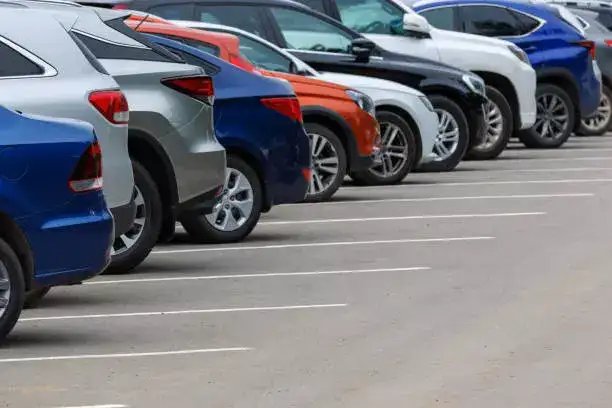
Verify Vehicle Documents
Start by checking the Registration Certificate (RC) to confirm ownership details, registration date, and engine and chassis numbers. Ensure the car is not under loan and has no pending legal disputes. Also, check road tax and pollution certificate validity.
Check Service and Maintenance History
Ask for service records and repair bills. Regular servicing at authorized or reliable service centers indicates that the car has been properly maintained. Missing or irregular records can be a warning sign.
Inspect Exterior and Interior Condition
Look closely for dents, scratches, rust, or uneven paint, which may suggest accident repairs. Inside the car, check seat condition, dashboard, air conditioning, infotainment system, and power controls.
Assess Engine and Mechanical Health
Start the engine and listen for unusual noises. Check for oil leaks, excessive vibration, and smoke from the exhaust. Ensure smooth gear shifting and proper clutch operation. A professional inspection by a mechanic is highly recommended.
Check Mileage and Usage
Compare the mileage with the car’s age and overall condition. Extremely low mileage on an older vehicle could indicate odometer tampering. Normal wear and tear should match the kilometers driven.
Take a Proper Test Drive
A test drive helps you understand the car’s real condition. Test braking, steering alignment, suspension, and handling on different road conditions. Pay attention to any unusual sounds or warning lights.
Look for Accident or Flood Damage
Check for signs of major accidents or flood damage, such as rust under the bonnet or carpets, water stains, or electrical malfunctions. Such vehicles can lead to expensive repairs later.
Verify Insurance Status
Ensure the car has valid insurance and check whether it can be transferred to your name. Comprehensive insurance with a good claim history is a plus.
Check Market Price
Research the current market value of the car based on model, year, condition, and location. This helps you negotiate better and avoid overpaying.
Complete Ownership Transfer
Make sure all ownership transfer formalities are completed properly, including RC transfer and insurance updates, to avoid future legal or financial issues.
Taking time to check these factors can help you make a safe and informed decision. A thorough inspection ensures you get a reliable second-hand car that offers good value and peace of mind.
Verify Vehicle Documents
Start by checking the Registration Certificate (RC) to confirm ownership details, registration date, and engine and chassis numbers. Ensure the car is not under loan and has no pending legal disputes. Also, check road tax and pollution certificate validity.
Check Service and Maintenance History
Ask for service records and repair bills. Regular servicing at authorized or reliable service centers indicates that the car has been properly maintained. Missing or irregular records can be a warning sign.
Inspect Exterior and Interior Condition
Look closely for dents, scratches, rust, or uneven paint, which may suggest accident repairs. Inside the car, check seat condition, dashboard, air conditioning, infotainment system, and power controls.
Assess Engine and Mechanical Health
Start the engine and listen for unusual noises. Check for oil leaks, excessive vibration, and smoke from the exhaust. Ensure smooth gear shifting and proper clutch operation. A professional inspection by a mechanic is highly recommended.
Check Mileage and Usage
Compare the mileage with the car’s age and overall condition. Extremely low mileage on an older vehicle could indicate odometer tampering. Normal wear and tear should match the kilometers driven.
Take a Proper Test Drive
A test drive helps you understand the car’s real condition. Test braking, steering alignment, suspension, and handling on different road conditions. Pay attention to any unusual sounds or warning lights.
Look for Accident or Flood Damage
You may also like
- Kunal Kapoor calls Rang De Basanti 'still worth the theatre seat' even after 20 years
- Dubai's beach makeover 2026 explained: Women-only beaches to night swimming, floating bridges and mega coastline expansions
- 'TN govt's SOP discriminatory': TVK says being targeted ahead of public outreach
- Janakpuri pit death: Sub-contractor saw biker lying injured, left without alerting police or rescue teams
- Gujarat: Southern Command honours 34 personnel, 33 units at investiture ceremony
Check for signs of major accidents or flood damage, such as rust under the bonnet or carpets, water stains, or electrical malfunctions. Such vehicles can lead to expensive repairs later.
Verify Insurance Status
Ensure the car has valid insurance and check whether it can be transferred to your name. Comprehensive insurance with a good claim history is a plus.
Check Market Price
Research the current market value of the car based on model, year, condition, and location. This helps you negotiate better and avoid overpaying.
Complete Ownership Transfer
Make sure all ownership transfer formalities are completed properly, including RC transfer and insurance updates, to avoid future legal or financial issues.
Taking time to check these factors can help you make a safe and informed decision. A thorough inspection ensures you get a reliable second-hand car that offers good value and peace of mind.






More from our partners


Loving Newspoint? Download the app now
