
Credit Card Scams on the Rise: Smart Ways to Stay Safe in a Digital World

As digital payments become a part of everyday life, fraudsters are getting smarter too. From fake messages to cleverly designed apps, cybercriminals are constantly finding new ways to trick people and drain their bank accounts. If you use a credit card, staying alert is no longer optional, it’s essential. Here’s a quick, easy guide to the most common scams and how you can avoid them.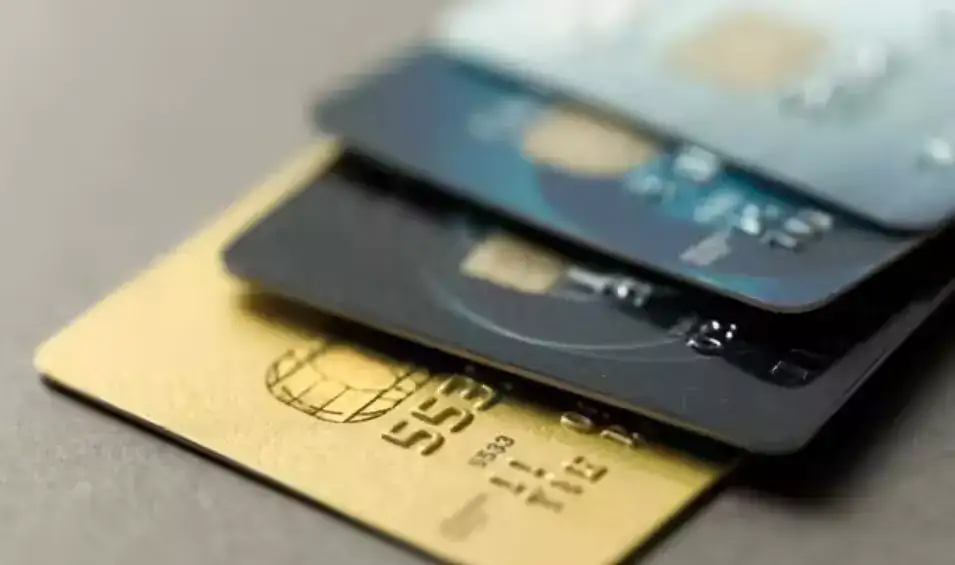
Phishing Emails and SMS Traps
One of the most common tricks is phishing. You may receive an email, SMS, or even a WhatsApp message asking you to “verify” your card details. These messages often look official but are designed to steal your information. Clicking on such links can put your card data at risk instantly.
Fake Calls That Sound Real
Scammers often call pretending to be bank officials, or even authorities like RBI or police. They create panic by saying there’s an issue with your card and ask for sensitive details like OTP, CVV, or PIN. Remember, no genuine authority will ever ask for these details.
ATM and POS Skimming Scams
Sometimes, fraudsters install hidden devices in ATMs or swipe machines to copy your card information. These devices silently collect your data, which is later used for unauthorized transactions. Always check machines for anything unusual before using them.
Reward Points Fraud
A tempting message saying your reward points are about to expire? That’s a classic scam. Fraudsters send fake links to “redeem” points, and once you click, your card details may be compromised.
Fake Mobile Apps
Downloading apps from unknown sources can be risky. Some fake apps are designed to look like official banking apps but secretly steal your personal and financial data. Always download apps from trusted platforms only.
Simple Tips to Stay Safe
Staying informed is your best defense. A little caution can go a long way in protecting your hard-earned money in today’s digital age.
Phishing Emails and SMS Traps
One of the most common tricks is phishing. You may receive an email, SMS, or even a WhatsApp message asking you to “verify” your card details. These messages often look official but are designed to steal your information. Clicking on such links can put your card data at risk instantly. Fake Calls That Sound Real
Scammers often call pretending to be bank officials, or even authorities like RBI or police. They create panic by saying there’s an issue with your card and ask for sensitive details like OTP, CVV, or PIN. Remember, no genuine authority will ever ask for these details.You may also like
- India's M&E sector likely to grow to Rs 3.3 trillion by 2028, driven by digital and live experiences: FICCI-EY report
- HDFC Bank shares up 3% today: Here we decode why
- Manipal Health wants to raise $852M via IPO in India
- Goldman Sachs lowers India's 2026 growth forecast to 5.9%
- India explores ethanol as LPG substitute, early stage cooking solutions underway: Food Secy
ATM and POS Skimming Scams
Sometimes, fraudsters install hidden devices in ATMs or swipe machines to copy your card information. These devices silently collect your data, which is later used for unauthorized transactions. Always check machines for anything unusual before using them. Reward Points Fraud
A tempting message saying your reward points are about to expire? That’s a classic scam. Fraudsters send fake links to “redeem” points, and once you click, your card details may be compromised.Fake Mobile Apps
Downloading apps from unknown sources can be risky. Some fake apps are designed to look like official banking apps but secretly steal your personal and financial data. Always download apps from trusted platforms only. Simple Tips to Stay Safe
- Set spending limits and enable instant transaction alerts
- Use only trusted websites and official apps
- Never share your OTP, CVV, or PIN with anyone
- Avoid saving card details on unfamiliar apps or sites
- Regularly check your credit card statements for any unusual activity
Staying informed is your best defense. A little caution can go a long way in protecting your hard-earned money in today’s digital age.






More from our partners


Loving Newspoint? Download the app now
