Aadhaar Update Rules Revised, Check The New Documents List

New guidelines for updating Aadhaar details have been introduced for the assessment year 2025–26, bringing significant changes to the list of valid documents required for various types of updates. Under the revised framework, individuals seeking to update their Aadhaar card must provide clear and specified proof for identity, address, date of birth, and family relationship verification. The updated rules aim to enhance accuracy and reduce delays, ensuring that Aadhaar enrolment and correction processes are more transparent and standardised.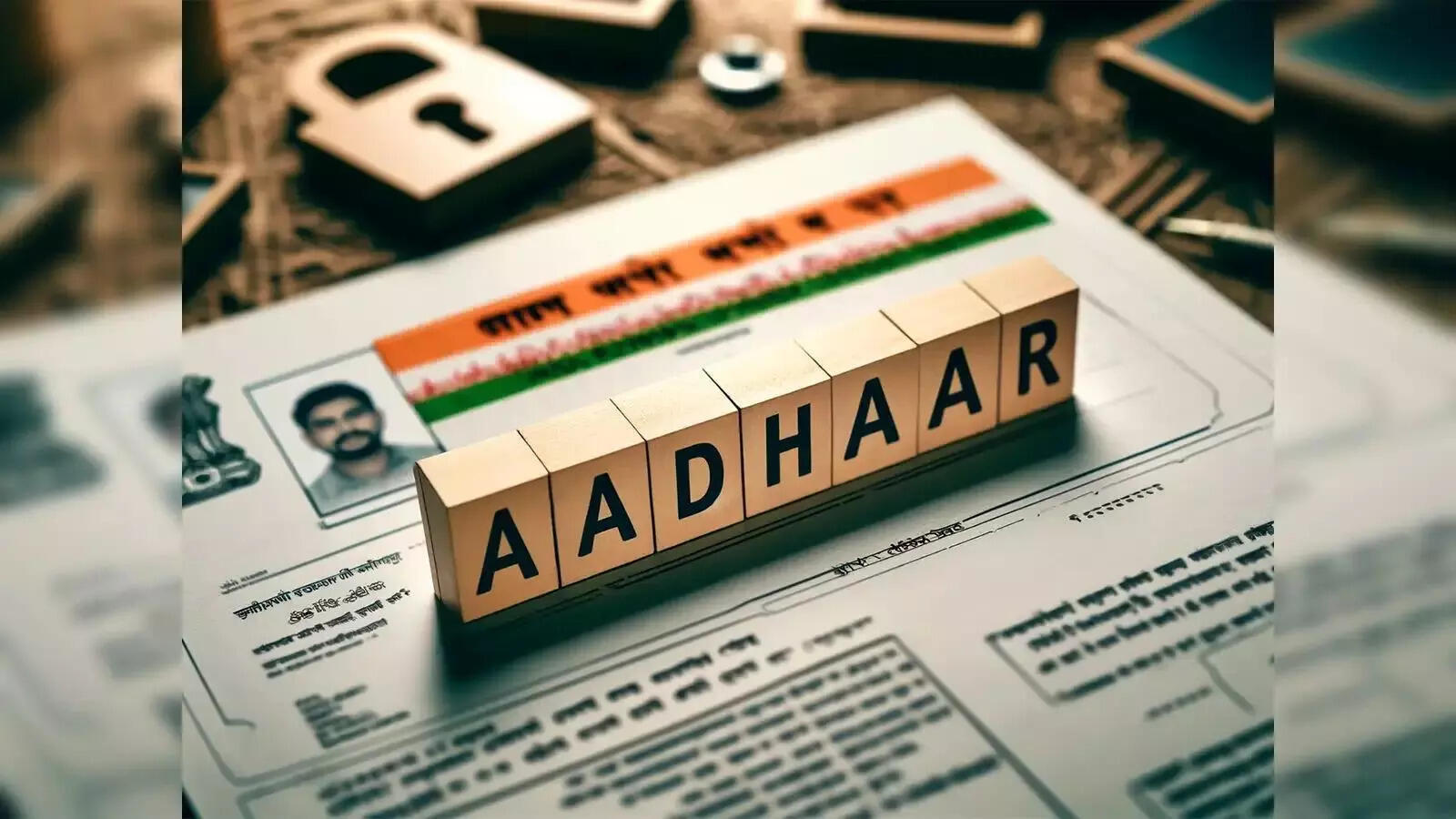
One of the key principles reaffirmed by the authorities is that each person is entitled to only one Aadhaar number. In cases where multiple Aadhaar numbers are found for the same individual, only the first issued number—based on biometric information—will remain active and valid. Other duplicate numbers will be considered invalid and removed from the system, streamlining identity records and preventing inconsistencies in databases across services that rely on Aadhaar authentication.
For proof of address, the new list accepts documents such as recent utility bills for electricity, water, gas or landline services, bank passbooks and statements, ration cards, passports and registered rent agreements. Official residence certificates issued by government departments also count as valid proof. These changes are designed to give individuals multiple options for verifying their address when initiating an update.
To update the date of birth on an Aadhaar card, recognised documents include birth certificates, passports and educational certificates that list the date of birth. These documents help ensure that the date of birth information in the Aadhaar database aligns with other official records.
The updated document list applies to Indian citizens, Indian residents living abroad and foreign nationals residing in India on long‑term visas. Foreign applicants must present their passport along with visa or residency documents to complete the Aadhaar update process.
Although biometric updates—such as fingerprints or iris scans—may still require a visit to an enrolment centre, most demographic changes can be handled digitally. This blend of online accessibility and clear documentation requirements is expected to reduce delays and provide greater clarity for millions of Aadhaar holders.
One of the key principles reaffirmed by the authorities is that each person is entitled to only one Aadhaar number. In cases where multiple Aadhaar numbers are found for the same individual, only the first issued number—based on biometric information—will remain active and valid. Other duplicate numbers will be considered invalid and removed from the system, streamlining identity records and preventing inconsistencies in databases across services that rely on Aadhaar authentication.
What Documents Are Now Required For Aadhaar Updates
The revised Aadhaar update rules specify the types of documents needed for different categories of verification. For proof of identity, applicants can submit any government‑issued photo identity that clearly shows their name and photograph. Typical examples include PAN cards, voter identification cards, driving licences and other official photo IDs. These documents now form the foundation for confirming an individual’s identity during the update process.For proof of address, the new list accepts documents such as recent utility bills for electricity, water, gas or landline services, bank passbooks and statements, ration cards, passports and registered rent agreements. Official residence certificates issued by government departments also count as valid proof. These changes are designed to give individuals multiple options for verifying their address when initiating an update.
To update the date of birth on an Aadhaar card, recognised documents include birth certificates, passports and educational certificates that list the date of birth. These documents help ensure that the date of birth information in the Aadhaar database aligns with other official records.
You may also like
 Pak-based women's forum calls for return of forcibly disappeared Baloch people
- Quote of the day by Keanu Reeves: 'The person who was holding me back from my happiness was me'
 New Year rush swells at Vaishno Devi shrine as thousands throng Katra for blessings
- Bihar BJP president Saraogi pays tribute to former leader Naveen Kishore Prasad Sinha
- Noida 2025: Airport delays, metro hopes and old cases that shaped a year of anticipation
Proving Family Relationships Under The New Guidelines
In cases where applicants need to prove family relationships, such as adding dependent information on an Aadhaar card, the revised rules allow submitting a ration card, job card under employment guarantee schemes, or a birth certificate that includes the names of parents. These requirements aim to make family linkage updates more straightforward while preventing misuse of identity details across members.The updated document list applies to Indian citizens, Indian residents living abroad and foreign nationals residing in India on long‑term visas. Foreign applicants must present their passport along with visa or residency documents to complete the Aadhaar update process.
Online Aadhaar Update Process Remains Available
Applicants now have the convenience of updating their Aadhaar details online through official portals. After logging in with their Aadhaar number, users can review their existing information, select relevant update types and upload scanned copies of the required documents in specified formats. Once submitted, the update process concludes with verification and confirmation, making it easier to maintain accurate Aadhaar records from home.Although biometric updates—such as fingerprints or iris scans—may still require a visit to an enrolment centre, most demographic changes can be handled digitally. This blend of online accessibility and clear documentation requirements is expected to reduce delays and provide greater clarity for millions of Aadhaar holders.
Why These Changes Matter For Aadhaar Holders
With Aadhaar serving as a foundational identity document for everything from banking to mobile connections and government services, ensuring the accuracy of information is crucial. The new rules help mitigate discrepancies, reduce repeated applications and support cleaner data management across administrative systems. Individuals seeking to update their details should prepare the necessary documents well in advance to avoid rejections or delays.





More from our partners


Loving Newspoint? Download the app now
