
New Rules from April 1, 2026: Income Tax, PAN, LPG and More

Starting April 1, 2026, several important rule changes announced in the Union Budget will come into effect. These updates are set to impact your finances, investments, tax filing and even routine transactions. From PAN requirements to stock market taxes, here is a simple breakdown of what changes and how it may affect you.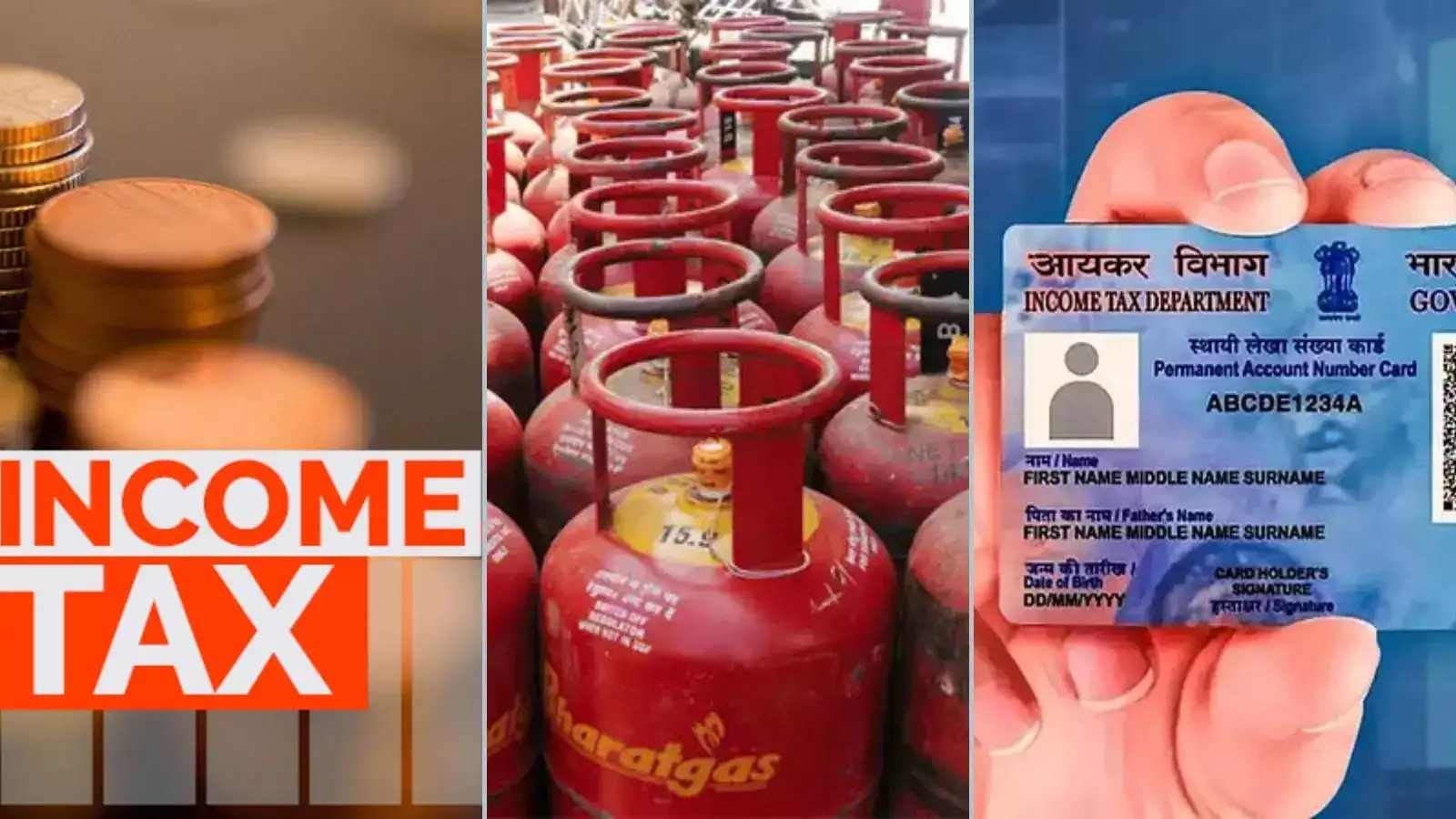
Relief in PAN Requirements
Even if you spend up to Rs 1 lakh on hotels, restaurants or events, quoting PAN will not be necessary. These changes aim to reduce paperwork and make everyday transactions smoother for citizens.
Businesses and professionals who are not required to get their accounts audited can now file their returns by August 31 instead of July 31. This gives them an extra month to complete compliance.
However, salaried individuals filing ITR 1 or ITR 2 will still need to meet the July 31 deadline. The extension mainly benefits small business owners and self employed professionals.
PAN Now Mandatory for All Insurance Policies
While PAN rules have been relaxed in some areas, they have been tightened in others.
From April 1, PAN will be compulsory for purchasing any type of insurance policy, regardless of the investment amount. Earlier, this requirement applied mainly to high value policies. Now even small policies will need PAN details.
In another positive move, interest received on compensation awarded by the Motor Accident Claims Tribunal will no longer be taxed. This brings relief to accident victims and their families.
Stock Market Transactions to Cost More
Investors in the derivatives market should prepare for slightly higher costs.
The Securities Transaction Tax on futures trading will rise from 0.02 percent to 0.05 percent. Tax on option premium will increase from 0.10 percent to 0.15 percent. In addition, a 0.15 percent tax will apply on option exercise.
Though the increase appears small, frequent traders may feel the impact over time.
Higher Tax Exemption for Children’s Education
Middle class families will benefit from increased tax exemptions on education allowances.
The exemption for children’s education allowance has been raised from Rs 100 to Rs 3,000 per child per month. Hostel allowance deduction has increased from Rs 300 to Rs 9,000 per month.
These benefits apply to a maximum of two children and are available under the full no tax regime. For parents supporting children studying away from home, this could mean meaningful tax savings.
Property Purchase from NRIs Simplified
Buying property from a Non Resident Indian has also become easier.
Earlier, buyers were required to obtain a separate TAN number to deduct TDS. From April 1, TDS can be deducted using only PAN. This simplifies the process and speeds up transactions between resident buyers and NRI sellers.
LPG Prices to Be Revised
LPG cylinder prices are reviewed by oil marketing companies on the first day of every month. As usual, new rates will be announced on April 1. Any increase will directly affect household kitchen budgets, while a price cut could offer some relief.
CNG, PNG and Airfare Costs May Change
Fuel prices are also set for revision at the start of the month. This includes Air Turbine Fuel, which plays a major role in determining airline ticket prices. If fuel becomes costlier, airfares may rise. If prices fall, tickets could become slightly cheaper.
CNG and PNG rates may also be revised. Any change here will affect daily commuters using CNG vehicles and households relying on piped gas connections.
Big Credit Card Transactions Under Scanner
Under the proposed Income Tax Rules 2026, stricter monitoring of high value spending is expected. If a person spends Rs 10 lakh or more through one or multiple credit cards in a financial year, banks will be required to report this to the Income Tax Department.
This move is aimed at improving financial transparency and tracking large transactions more effectively.
Multiple Bank Holidays in March
Before the new rules kick in, March itself will see several bank holidays due to festivals such as Holi, Gudi Padwa, Eid, Ram Navami and Mahavir Jayanti. Including Sundays and second and fourth Saturdays, banks will remain closed for a total of 18 days in many regions.
Customers are advised to plan important transactions in advance to avoid last minute inconvenience.
What Will Be the Overall Impact on Your Pocket?
The changes bring a mix of relief and tighter oversight.
Small transactions will become easier with relaxed compliance in certain areas. Buying affordable vehicles and lower value properties will involve less paperwork. Parents may benefit from higher tax savings on children’s education allowances.
At the same time, trading in the stock market will become slightly more expensive. Insurance purchases will require PAN details. High value credit card spending will be closely tracked.
Overall, the system is moving towards greater digitisation and monitoring of large financial activities.
Why You Should Prepare Now
April 1, 2026 is not just the start of a new financial year. It marks the beginning of updated rules that directly affect your savings, expenses and investments.
Review your tax plans, organise your financial documents and assess your spending patterns before March ends. A little preparation today can help you manage these changes smoothly tomorrow.
Disclaimer: This article is for informational purposes only and is based on announced and proposed regulatory updates. Final implementation and regional applicability may vary. Readers are advised to verify details with official government notifications, banks, or financial institutions before making any financial decisions.
Relief in PAN Requirements
There is some welcome easing in PAN related rules.
You will no longer need to provide PAN details for cash deposits or withdrawals up to Rs 10 lakh in a year in banks or post offices. Buying a car or bike worth up to Rs 5 lakh will also not require PAN. Similarly, property transactions up to Rs 20 lakh will be exempt from mandatory PAN submission.Even if you spend up to Rs 1 lakh on hotels, restaurants or events, quoting PAN will not be necessary. These changes aim to reduce paperwork and make everyday transactions smoother for citizens.
ITR Filing Deadline Revised
There is a slight change in income tax return deadlines.Businesses and professionals who are not required to get their accounts audited can now file their returns by August 31 instead of July 31. This gives them an extra month to complete compliance.
However, salaried individuals filing ITR 1 or ITR 2 will still need to meet the July 31 deadline. The extension mainly benefits small business owners and self employed professionals.
PAN Now Mandatory for All Insurance Policies
While PAN rules have been relaxed in some areas, they have been tightened in others. From April 1, PAN will be compulsory for purchasing any type of insurance policy, regardless of the investment amount. Earlier, this requirement applied mainly to high value policies. Now even small policies will need PAN details.
In another positive move, interest received on compensation awarded by the Motor Accident Claims Tribunal will no longer be taxed. This brings relief to accident victims and their families.
Stock Market Transactions to Cost More
Investors in the derivatives market should prepare for slightly higher costs. The Securities Transaction Tax on futures trading will rise from 0.02 percent to 0.05 percent. Tax on option premium will increase from 0.10 percent to 0.15 percent. In addition, a 0.15 percent tax will apply on option exercise.
Though the increase appears small, frequent traders may feel the impact over time.
Higher Tax Exemption for Children’s Education
Middle class families will benefit from increased tax exemptions on education allowances. The exemption for children’s education allowance has been raised from Rs 100 to Rs 3,000 per child per month. Hostel allowance deduction has increased from Rs 300 to Rs 9,000 per month.
These benefits apply to a maximum of two children and are available under the full no tax regime. For parents supporting children studying away from home, this could mean meaningful tax savings.
Property Purchase from NRIs Simplified
Buying property from a Non Resident Indian has also become easier. Earlier, buyers were required to obtain a separate TAN number to deduct TDS. From April 1, TDS can be deducted using only PAN. This simplifies the process and speeds up transactions between resident buyers and NRI sellers.
LPG Prices to Be Revised
LPG cylinder prices are reviewed by oil marketing companies on the first day of every month. As usual, new rates will be announced on April 1. Any increase will directly affect household kitchen budgets, while a price cut could offer some relief. CNG, PNG and Airfare Costs May Change
Fuel prices are also set for revision at the start of the month. This includes Air Turbine Fuel, which plays a major role in determining airline ticket prices. If fuel becomes costlier, airfares may rise. If prices fall, tickets could become slightly cheaper.CNG and PNG rates may also be revised. Any change here will affect daily commuters using CNG vehicles and households relying on piped gas connections.
Big Credit Card Transactions Under Scanner
Under the proposed Income Tax Rules 2026, stricter monitoring of high value spending is expected. If a person spends Rs 10 lakh or more through one or multiple credit cards in a financial year, banks will be required to report this to the Income Tax Department. This move is aimed at improving financial transparency and tracking large transactions more effectively.
Multiple Bank Holidays in March
Before the new rules kick in, March itself will see several bank holidays due to festivals such as Holi, Gudi Padwa, Eid, Ram Navami and Mahavir Jayanti. Including Sundays and second and fourth Saturdays, banks will remain closed for a total of 18 days in many regions. Customers are advised to plan important transactions in advance to avoid last minute inconvenience.
What Will Be the Overall Impact on Your Pocket?
The changes bring a mix of relief and tighter oversight. Small transactions will become easier with relaxed compliance in certain areas. Buying affordable vehicles and lower value properties will involve less paperwork. Parents may benefit from higher tax savings on children’s education allowances.
At the same time, trading in the stock market will become slightly more expensive. Insurance purchases will require PAN details. High value credit card spending will be closely tracked.
Overall, the system is moving towards greater digitisation and monitoring of large financial activities.
Why You Should Prepare Now
April 1, 2026 is not just the start of a new financial year. It marks the beginning of updated rules that directly affect your savings, expenses and investments.Review your tax plans, organise your financial documents and assess your spending patterns before March ends. A little preparation today can help you manage these changes smoothly tomorrow.
Disclaimer: This article is for informational purposes only and is based on announced and proposed regulatory updates. Final implementation and regional applicability may vary. Readers are advised to verify details with official government notifications, banks, or financial institutions before making any financial decisions.