Are You Making This Emergency Fund Mistake? CA Explains How Rs 12–15 Lakh In Savings Could Hurt Your Wealth

Many Indians take comfort in having a substantial emergency fund in their bank account, often believing that keeping Rs 12–15 lakh idle is a sign of financial prudence. However, CA Abhishek Walia , founder of Zactor, recently highlighted a quiet but impactful mistake many are making when it comes to emergency savings. His insights, shared on LinkedIn, underline that the size of your emergency fund matters more than simply having one.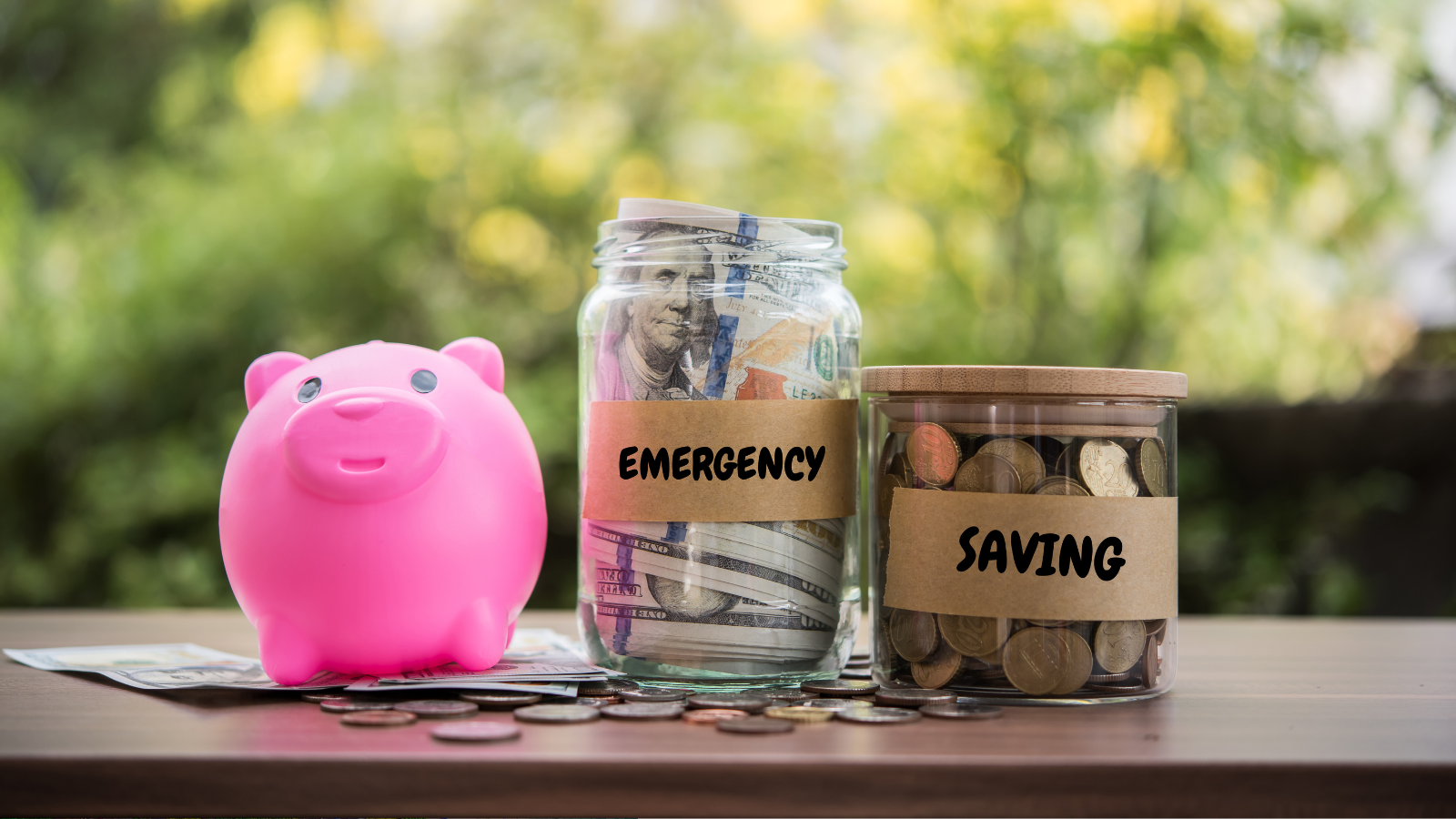
According to CA Walia, most people proudly maintain an emergency fund without ever calculating whether it truly matches their lifestyle, income stability, and financial obligations. Both extremes keeping too much or too little carry hidden costs that can quietly stall long-term wealth creation.
On the flip side, maintaining a very small buffer can also create problems. For example, someone keeping only Rs 1–1.5 lakh in savings with monthly expenses of Rs 60–70k risks financial stress during emergencies like medical bills, delayed salaries, or short-term income gaps. In such cases, reliance on credit cards or loans can trap them in debt long after the immediate emergency ends.
In personal finance, the “perfect” emergency fund doesn’t feel impressive, it feels uneventful. That quiet, uneventful stability is exactly what ensures your system works efficiently, protecting you without slowing your long-term financial progress.
According to CA Walia, most people proudly maintain an emergency fund without ever calculating whether it truly matches their lifestyle, income stability, and financial obligations. Both extremes keeping too much or too little carry hidden costs that can quietly stall long-term wealth creation.
Why Keeping Rs 12–15 Lakh in Savings Is Risky
Consider a person who keeps Rs 12–15 lakh in a savings account while having a stable job, insurance coverage, and no major liabilities. On the surface, everything seems fine. The fund earns a mere 3–4% interest, while inflation steadily erodes its real value. There’s no visible loss, but over time, this idle cash slows wealth growth . What feels like safety can actually be financial stagnation.On the flip side, maintaining a very small buffer can also create problems. For example, someone keeping only Rs 1–1.5 lakh in savings with monthly expenses of Rs 60–70k risks financial stress during emergencies like medical bills, delayed salaries, or short-term income gaps. In such cases, reliance on credit cards or loans can trap them in debt long after the immediate emergency ends.
The Right Size of an Emergency Fund
CA Walia emphasises that the ideal emergency fund is not about appearing wealthy or playing it safe, it’s about aligning your cash cushion with factors like income stability, fixed expenses, insurance, and dependents. A single-income household or someone with irregular earnings needs a larger fund to avoid both financial strain and mental stress. Meanwhile, dual-income households with stable jobs and adequate insurance may unintentionally hinder wealth growth by hoarding excessive cash.In personal finance, the “perfect” emergency fund doesn’t feel impressive, it feels uneventful. That quiet, uneventful stability is exactly what ensures your system works efficiently, protecting you without slowing your long-term financial progress.
Next Story