
Debit Card Stuck in ATM: Here’s What to Do to Get It Back Safely

ATMs have made everyday banking quick and hassle free. With just a card and a PIN, you can withdraw cash anytime without visiting a branch. But sometimes, things do not go as expected. One of the most stressful situations is when your debit card gets stuck inside the ATM just when you need it most. It can feel worrying in the moment, but the good news is that this problem is usually easy to handle if you stay calm and follow the right steps.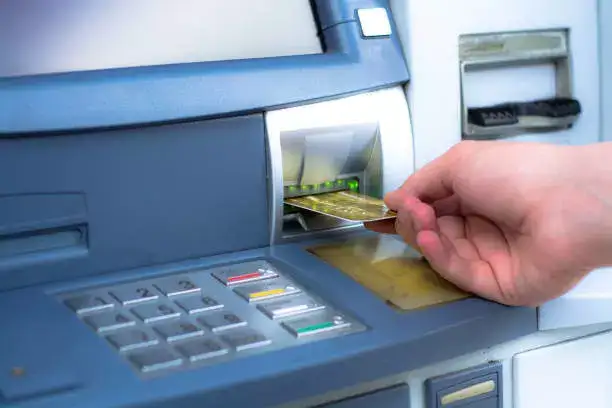
Why ATM cards get stuck
There are several reasons why an ATM may retain your card. In many cases, it is due to a temporary technical glitch or a network issue that interrupts the transaction midway. ATMs rely on stable connectivity, and even a small disruption can cause the system to stop responding properly.
Another common reason is entering the wrong PIN multiple times. As a safety measure, the machine may hold the card to prevent unauthorised access. Power cuts or software errors can also lead to such situations, especially in busy or older machines.
It is important to remember that when an ATM keeps your card, it is usually doing so to protect your account rather than cause inconvenience.
What to do right away
If your card does not come out after a transaction, the first step is to stay calm. Avoid pressing buttons repeatedly or trying to pull the card out forcefully. This can damage the machine or your card.
Instead, contact your bank’s customer care service immediately. Most banks have helpline numbers printed on the ATM or displayed on the screen. When you call, be ready to share key details such as the time of the incident, the ATM location, and the ATM ID. This ID is usually printed on the machine and helps the bank identify the exact terminal.
Reporting the issue quickly ensures that your case is logged and action can be taken without delay.
Blocking your card is essential
One of the safest steps you can take is to block or hotlist your card as soon as possible. This prevents any possibility of misuse. Once a card is blocked, it cannot be used for withdrawals or transactions.
Even though ATM machines are designed to be secure, taking this precaution adds an extra layer of safety for your account. You can always request a new card later if needed.
How you get your card back
The process of retrieving your card depends on whether the ATM belongs to your bank or another bank.
If the card is stuck in your own bank’s ATM, the process is usually faster. The bank can access the machine or coordinate with its service team to recover your card. You may be asked to visit your branch with valid identification to collect it.
If the ATM belongs to a different bank, the process can take a little longer. In such cases, a technical team visits the machine, collects retained cards, and sends them to the issuing bank. Your bank will then inform you once your card is ready for collection.
In some situations, instead of waiting, you may choose to request a replacement card, especially if you need immediate access.
Can someone misuse your card
Many people worry about the safety of their money when their card gets stuck. The good news is that ATM machines are designed with strong security systems. Once the card is retained, it is stored safely inside the machine and cannot be accessed by others.
However, blocking the card is still the best step to ensure complete protection and avoid any risk.
Tips to avoid such situations
While not all situations can be prevented, a few simple habits can reduce the chances of your card getting stuck. Always check that the machine is working properly before inserting your card. Avoid using ATMs that look damaged or out of service.
Enter your PIN carefully to avoid multiple incorrect attempts. Also, wait patiently during transactions instead of pressing buttons repeatedly if the machine seems slow.
Stay calm and act smart
Having your card stuck in an ATM can be frustrating, especially in urgent situations. But it is not something to panic about. Banks deal with such cases regularly, and your card is usually safe.
By acting quickly, informing your bank, and taking basic precautions, you can resolve the issue smoothly. A little awareness and patience can turn a stressful moment into a manageable one.
Why ATM cards get stuck
There are several reasons why an ATM may retain your card. In many cases, it is due to a temporary technical glitch or a network issue that interrupts the transaction midway. ATMs rely on stable connectivity, and even a small disruption can cause the system to stop responding properly. Another common reason is entering the wrong PIN multiple times. As a safety measure, the machine may hold the card to prevent unauthorised access. Power cuts or software errors can also lead to such situations, especially in busy or older machines.
It is important to remember that when an ATM keeps your card, it is usually doing so to protect your account rather than cause inconvenience.
What to do right away
If your card does not come out after a transaction, the first step is to stay calm. Avoid pressing buttons repeatedly or trying to pull the card out forcefully. This can damage the machine or your card.Instead, contact your bank’s customer care service immediately. Most banks have helpline numbers printed on the ATM or displayed on the screen. When you call, be ready to share key details such as the time of the incident, the ATM location, and the ATM ID. This ID is usually printed on the machine and helps the bank identify the exact terminal.
Reporting the issue quickly ensures that your case is logged and action can be taken without delay.
Blocking your card is essential
One of the safest steps you can take is to block or hotlist your card as soon as possible. This prevents any possibility of misuse. Once a card is blocked, it cannot be used for withdrawals or transactions. Even though ATM machines are designed to be secure, taking this precaution adds an extra layer of safety for your account. You can always request a new card later if needed.
You may also like
- US private credit defaults hit record high: What's the impact
- Sensex gains over 300 points, Nifty settles above 17,600 mark
- Bitcoin hits 2-month high as gold loses sheen
- Air India to operate 36 extra flights to Europe, North America amid geopolitical tensions
- India's young workforce is growing and getting more educated: State of Working India 2026 report
How you get your card back
The process of retrieving your card depends on whether the ATM belongs to your bank or another bank. If the card is stuck in your own bank’s ATM, the process is usually faster. The bank can access the machine or coordinate with its service team to recover your card. You may be asked to visit your branch with valid identification to collect it.
If the ATM belongs to a different bank, the process can take a little longer. In such cases, a technical team visits the machine, collects retained cards, and sends them to the issuing bank. Your bank will then inform you once your card is ready for collection.
In some situations, instead of waiting, you may choose to request a replacement card, especially if you need immediate access.
Can someone misuse your card
Many people worry about the safety of their money when their card gets stuck. The good news is that ATM machines are designed with strong security systems. Once the card is retained, it is stored safely inside the machine and cannot be accessed by others.However, blocking the card is still the best step to ensure complete protection and avoid any risk.
Tips to avoid such situations
While not all situations can be prevented, a few simple habits can reduce the chances of your card getting stuck. Always check that the machine is working properly before inserting your card. Avoid using ATMs that look damaged or out of service. Enter your PIN carefully to avoid multiple incorrect attempts. Also, wait patiently during transactions instead of pressing buttons repeatedly if the machine seems slow.
Stay calm and act smart
Having your card stuck in an ATM can be frustrating, especially in urgent situations. But it is not something to panic about. Banks deal with such cases regularly, and your card is usually safe. By acting quickly, informing your bank, and taking basic precautions, you can resolve the issue smoothly. A little awareness and patience can turn a stressful moment into a manageable one.






More from our partners


Loving Newspoint? Download the app now
