
Blinkit To Remove 10-minute Delivery Claim Following Government Intervention

Quick commerce platform Blinkit is preparing to remove references to its 10-minute delivery promise from public-facing communication, marking a significant shift in how ultra-fast delivery services are presented. The move follows government intervention and growing concerns around the safety and working conditions of gig workers. While deliveries may continue at similar speeds, the focus will now move away from fixed time commitments in branding, reflecting a broader rethink within the sector over how speed-driven messaging impacts delivery partners.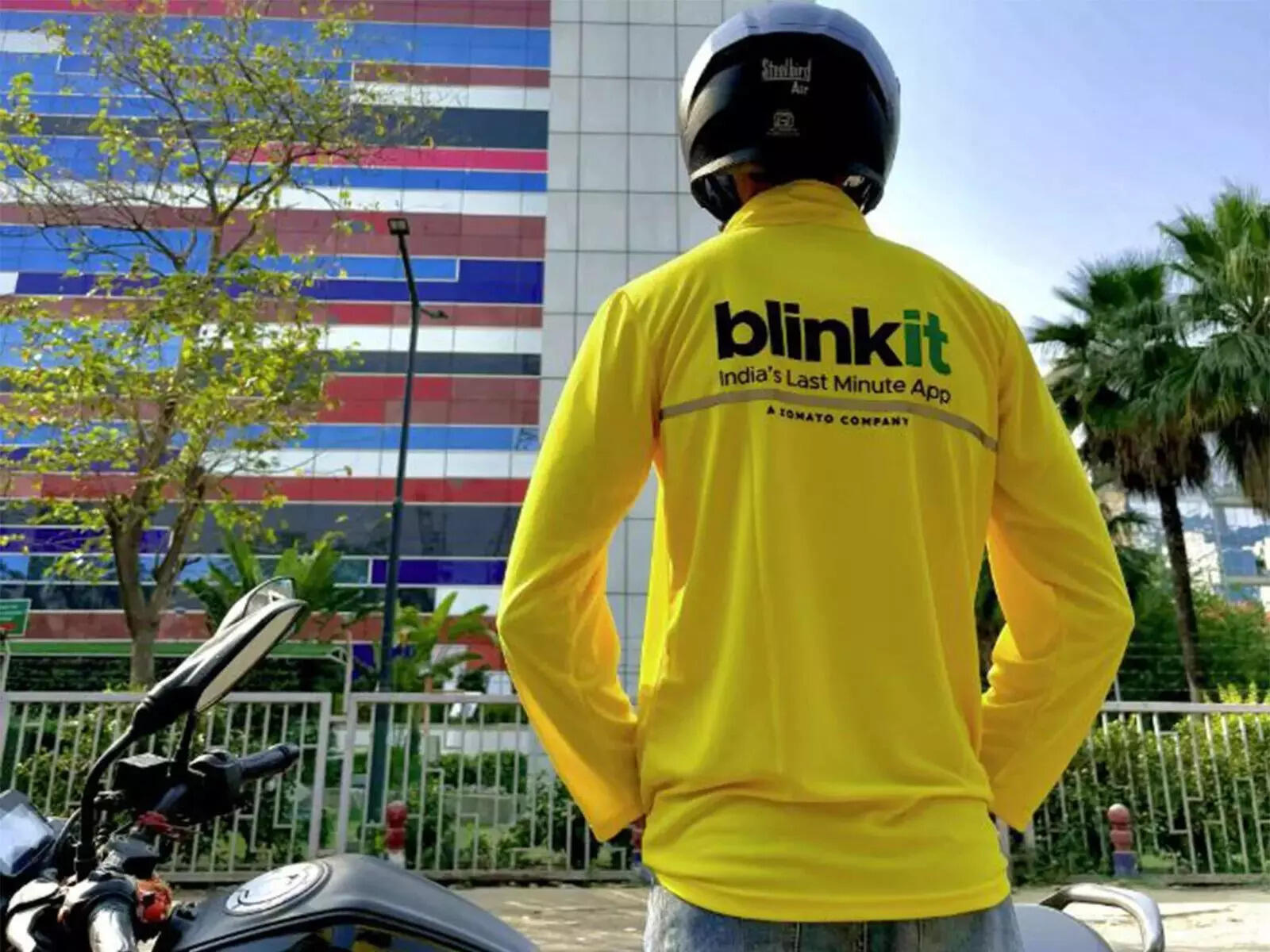
Officials conveyed that fixed delivery timelines in advertisements and promotional campaigns may indirectly influence worker behaviour, regardless of internal systems designed to manage efficiency. Following these discussions, platforms assured authorities that delivery time commitments would be removed from branding and social media communication.
The broader strategy appears to focus on reliability, convenience and network efficiency rather than headline-grabbing delivery speeds. Industry observers see this as an attempt to strike a balance between competitive positioning and social responsibility.
Unions have consistently argued that aggressive timelines place workers at risk, especially in high-traffic urban environments. The strikes helped push worker safety back into the spotlight, prompting stronger government engagement with platform companies.
By stepping away from fixed delivery claims, companies appear to be acknowledging that branding plays a role in shaping worker expectations, even if operational safeguards are in place. The move suggests a growing acceptance that public messaging must align more closely with labour welfare considerations.
As discussions around draft labour rules continue, gig worker protection is expected to remain under close scrutiny. For now, the removal of 10-minute delivery branding marks a notable shift in tone, reflecting evolving regulatory expectations and a renewed focus on worker wellbeing within India’s fast-growing delivery ecosystem.
Government Intervention Sparks Change
The decision comes after sustained engagement between the government and major food delivery and quick commerce platforms. Union Labour Minister Mansukh Mandaviya held discussions with companies including Blinkit, Zepto, Swiggy and Zomato, urging them to reconsider how delivery timelines are promoted. The concern raised was that strict delivery promises, even if operationally achievable, could increase pressure on delivery workers and encourage unsafe practices on the road.Officials conveyed that fixed delivery timelines in advertisements and promotional campaigns may indirectly influence worker behaviour, regardless of internal systems designed to manage efficiency. Following these discussions, platforms assured authorities that delivery time commitments would be removed from branding and social media communication.
What Will Change In Blinkit’s Messaging
Blinkit is expected to remove mentions of “10-minute delivery” from advertisements, marketing campaigns and online messaging. This shift does not indicate a slowdown in service but rather a change in how speed is communicated to customers. By avoiding rigid time promises, the company aims to distance itself from perceptions that delivery workers are under extreme time pressure.The broader strategy appears to focus on reliability, convenience and network efficiency rather than headline-grabbing delivery speeds. Industry observers see this as an attempt to strike a balance between competitive positioning and social responsibility.
You may also like
- Manish Malhotra Speaks On How He Manages To Work With Star Kids Like Suhana, Ananya & Others
- Shaksgam Valley In India, Where Indians Are Not Allowed; Interesting Facts About One Of The Most Inaccessible Places
- Ghaziabad Horror: Man arrested for allegedly beating girlfriend to death after nightlong stay, post-mortem reveals brutal assault
 D2C Perfume Brand Secret Alchemist Raises $3 Mn From Unilever Ventures
- 'When will she be discharged from hospital?': A doctor shares a real-life story when a patient could have died
Gig Worker Protests Brought Issue To Fore
The development follows nationwide strike calls by gig and delivery workers on December 25 and December 31. Worker unions raised concerns over demanding delivery models, falling earnings and limited access to social security benefits. Although deliveries continued largely as normal across cities during the festive period, the protests reignited debate around the sustainability of ultra-fast delivery expectations.Unions have consistently argued that aggressive timelines place workers at risk, especially in high-traffic urban environments. The strikes helped push worker safety back into the spotlight, prompting stronger government engagement with platform companies.
Industry Responds To Regulatory Signals
Earlier, leaders from food delivery and quick commerce platforms had defended fast delivery models, stating that speed was enabled by store proximity and backend systems rather than rider urgency. They also pointed to insurance coverage for delivery partners. However, the government’s involvement indicates a shift towards a more cautious public approach on how delivery speed is marketed.By stepping away from fixed delivery claims, companies appear to be acknowledging that branding plays a role in shaping worker expectations, even if operational safeguards are in place. The move suggests a growing acceptance that public messaging must align more closely with labour welfare considerations.
What This Means For Quick Commerce
Blinkit’s decision signals a broader change in how quick commerce companies position themselves in a highly competitive market. While fast delivery remains a core service feature, the emphasis is now likely to be on consistency and safety rather than record-breaking timelines.As discussions around draft labour rules continue, gig worker protection is expected to remain under close scrutiny. For now, the removal of 10-minute delivery branding marks a notable shift in tone, reflecting evolving regulatory expectations and a renewed focus on worker wellbeing within India’s fast-growing delivery ecosystem.






More from our partners


Loving Newspoint? Download the app now
