
Budget 2026: Meet the Minds Behind FM Sitharaman’s Budget Strategy

As Finance Minister Nirmala Sitharaman readies to present the Union Budget on February 1, she is set to cross a rare milestone in India’s fiscal history. This will be her ninth consecutive Budget, making her the longest-serving finance minister under the same prime minister. With this, she equals P. Chidambaram’s tally of nine Budgets and moves closer to Morarji Desai’s all-time record of ten.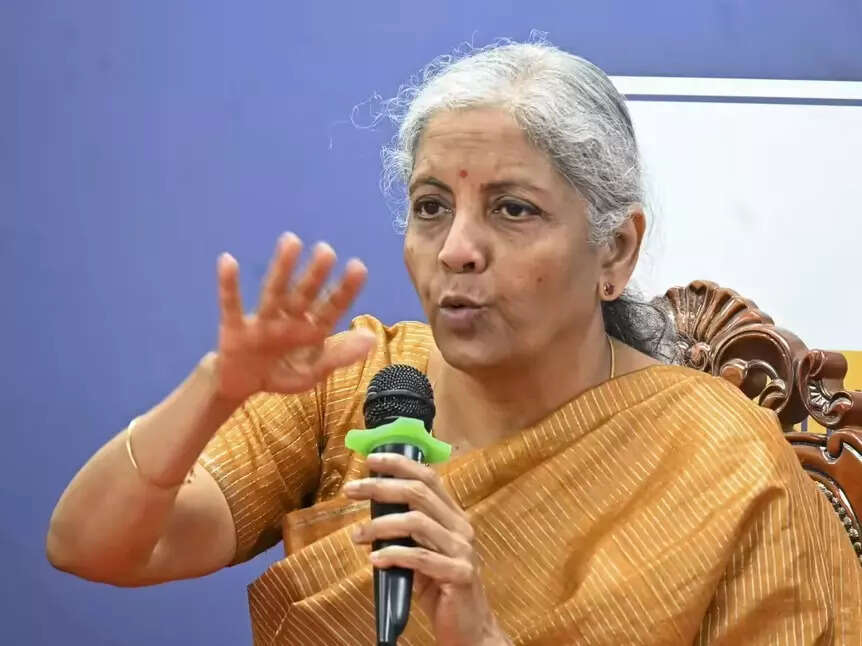
While Sitharaman stands at the centre of the action, the Budget is far from a one-person exercise. Behind the scenes, a compact but powerful team of senior officials works through months of calculations, negotiations, and strategy sessions. Together, they form the Budget’s real “war room.”
Here’s a closer look at the key minds shaping Union Budget 2026-27.
Having taken charge on July 1, 2025, this will be her first Budget as Economic Affairs Secretary. A 1994-batch IAS officer from the Himachal Pradesh cadre, Thakur also made history as the first woman to lead the department, adding another milestone to this year’s Budget story.
Budget 2026 will be Shrivastava’s first in this role. With expectations around customs duty tweaks and TDS rationalisation, his department’s decisions will play a key role in revenue mobilisation. Notably, he brings deep Budget experience, having earlier served in the Budget Division and later handled finance matters in the Prime Minister’s Office.
At a time when welfare spending and capital expenditure both demand attention, Vualnam’s role is crucial in managing the fiscal deficit while planning expenditure for the next financial year.
From digital payments to social security schemes, Nagaraju’s work supports the government’s push for wider access to finance and stronger financial institutions.
With fiscal math often depending on disinvestment targets, Chawla’s department plays a quiet but critical role in balancing the books.
The CEA also advises the finance minister on reforms, fiscal strategy, and long-term economic priorities.
As February 1 approaches, expectations are running high. With strong domestic growth on one side and global uncertainty on the other, the decisions taken by Sitharaman and her core team will shape how India navigates the year ahead.
While Sitharaman stands at the centre of the action, the Budget is far from a one-person exercise. Behind the scenes, a compact but powerful team of senior officials works through months of calculations, negotiations, and strategy sessions. Together, they form the Budget’s real “war room.”
Here’s a closer look at the key minds shaping Union Budget 2026-27.
The Chief Architect: Anuradha Thakur
At the heart of the Budget process is Anuradha Thakur, Secretary of Economic Affairs. She leads the Department of Economic Affairs and heads the Budget Division that drafts the core documents. From macroeconomic strategy to resource allocation, her role defines the Budget’s broad direction.Having taken charge on July 1, 2025, this will be her first Budget as Economic Affairs Secretary. A 1994-batch IAS officer from the Himachal Pradesh cadre, Thakur also made history as the first woman to lead the department, adding another milestone to this year’s Budget story.
The Revenue Strategist: Arvind Shrivastava
If the Budget sets the vision, Arvind Shrivastava, Revenue Secretary, decides how the money comes in. He oversees direct taxes like income and corporate tax, as well as indirect taxes such as GST and customs duties. His proposals form Part B of the Budget Speech, closely watched by taxpayers and businesses alike.Budget 2026 will be Shrivastava’s first in this role. With expectations around customs duty tweaks and TDS rationalisation, his department’s decisions will play a key role in revenue mobilisation. Notably, he brings deep Budget experience, having earlier served in the Budget Division and later handled finance matters in the Prime Minister’s Office.
The Spending Gatekeeper: Vumlunmang Vualnam
Known in policy circles as the “guardian of the purse,” Expenditure Secretary Vumlunmang Vualnam keeps a tight watch on government spending. His department oversees subsidies, monitors central schemes, and ensures fiscal discipline.At a time when welfare spending and capital expenditure both demand attention, Vualnam’s role is crucial in managing the fiscal deficit while planning expenditure for the next financial year.
The Financial System Watcher: M. Nagaraju
As Financial Services Secretary, M. Nagaraju focuses on the backbone of the economy - banks, insurance firms, and pension systems. His department tracks the financial health of public sector banks and steers policies on credit growth and financial inclusion.From digital payments to social security schemes, Nagaraju’s work supports the government’s push for wider access to finance and stronger financial institutions.
The Disinvestment Driver: Arunish Chawla
Non-tax revenues fall under the watch of Arunish Chawla, Secretary of the Department of Investment and Public Asset Management (DIPAM). He handles the government’s disinvestment and privatisation plans, including stake sales in central public sector enterprises.With fiscal math often depending on disinvestment targets, Chawla’s department plays a quiet but critical role in balancing the books.
The CPSE Monitor: K. Moses Chalai
Heading the Department of Public Enterprises, K. Moses Chalai oversees capital expenditure plans of select CPSEs. His team ensures efficient use of budgeted funds, tracks asset monetisation, and reviews the financial performance of state-owned companies.The Big-Picture Adviser: V. Anantha Nageswaran
Beyond the finance ministry’s six departments, the Chief Economic Adviser , V. Anantha Nageswaran, helps frame the Budget’s broader economic narrative. His office contributes growth projections, global risk assessments, and sectoral analysis across agriculture, industry, and services.The CEA also advises the finance minister on reforms, fiscal strategy, and long-term economic priorities.
As February 1 approaches, expectations are running high. With strong domestic growth on one side and global uncertainty on the other, the decisions taken by Sitharaman and her core team will shape how India navigates the year ahead.
Next Story