
Budget 2026 Spotlight: From Handloom to Heritage, Nirmala Sitharaman’s Iconic Budget Sarees

As Finance Minister Nirmala Sitharaman prepares to present her ninth Union Budget, public attention once again drifts briefly from fiscal calculations and policy priorities to a quieter but deeply symbolic detail her saree.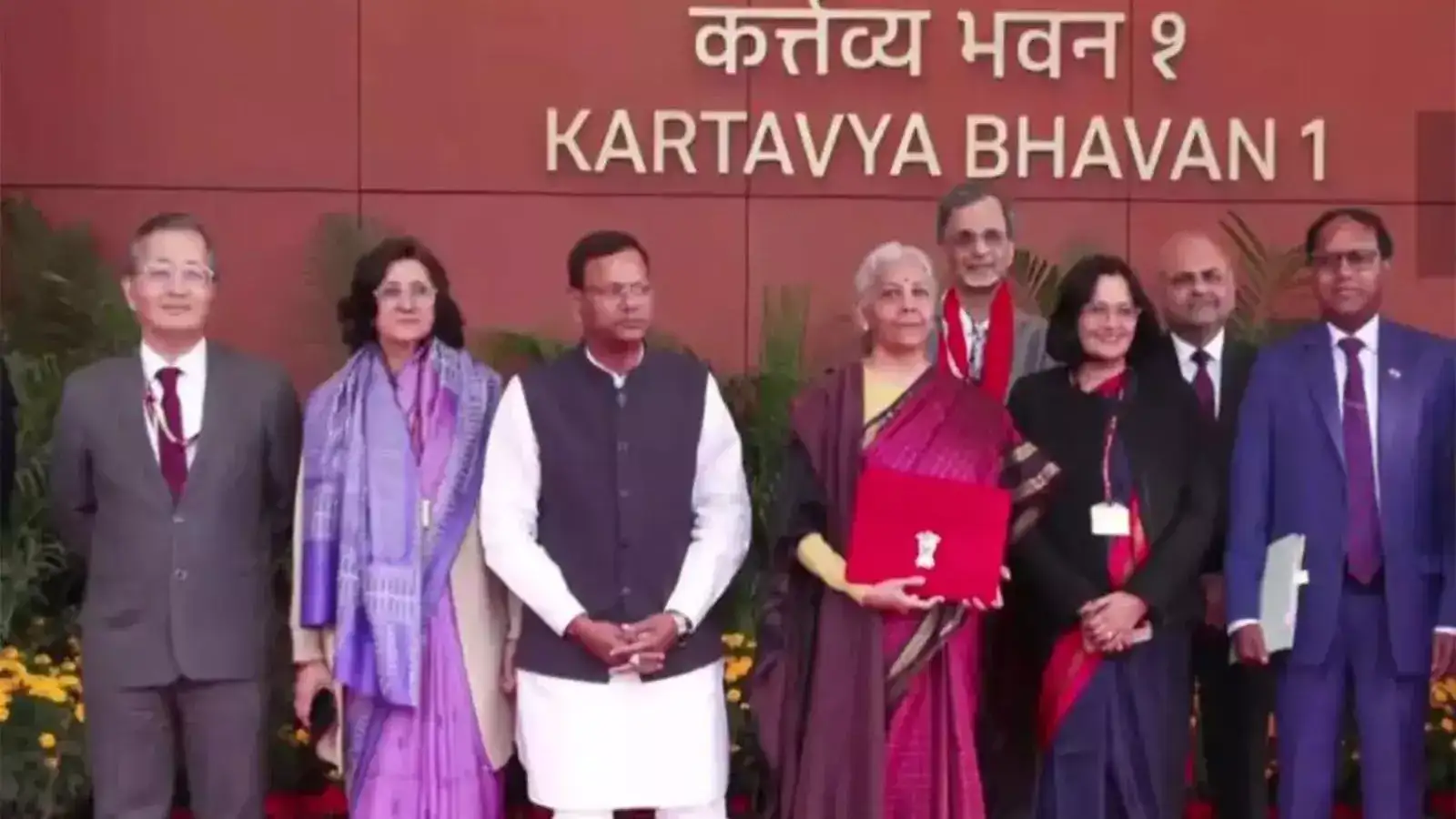
Over the years, Sitharaman’s Budget Day sarees have become a tradition in their own right. Each carefully chosen drape reflects India’s vast and diverse handloom heritage, often spotlighting a specific region, craft tradition, or artisan community. What started as a personal style choice has gradually evolved into a powerful cultural statement one that blends governance with heritage and turns Budget Day into a subtle celebration of Indian textiles.
In a setting dominated by spreadsheets, revenue projections, and economic reforms, her attire offers a gentle reminder of India’s living traditions. Woven in silk, cotton, zari, and age-old techniques, these sarees tell stories of regional pride, skilled craftsmanship, and cultural continuity quietly reinforcing the idea that modern policymaking need not be divorced from tradition.
A Year-by-Year Look at the Sarees That Made a Statement
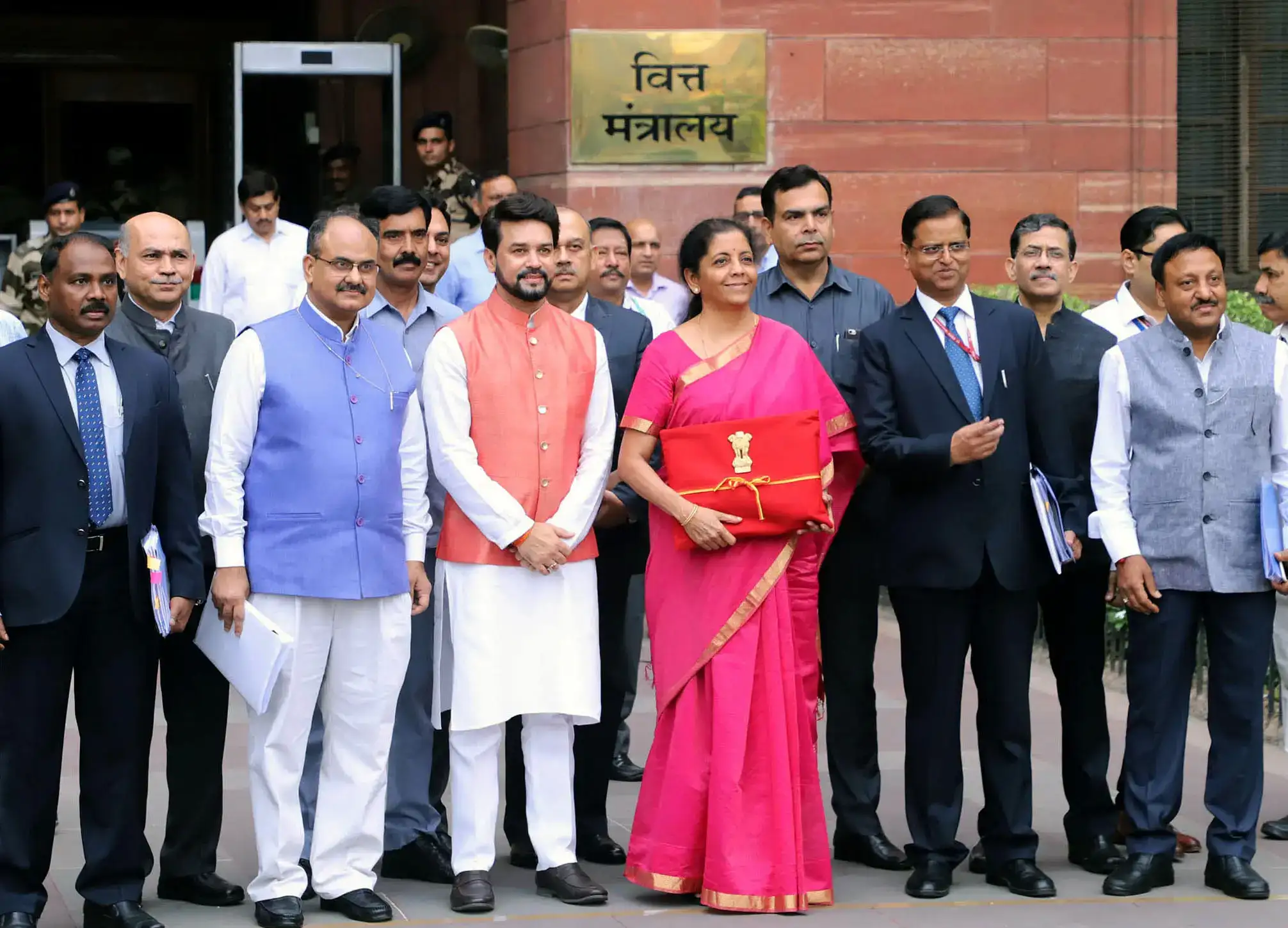
In her first Budget presentation, Sitharaman wore a bright pink Mangalagiri silk saree with a gold border, representing Andhra Pradesh’s renowned handloom tradition. That year also marked a symbolic shift when she carried Budget documents in a red ‘bahi-khata’ instead of a briefcase, underscoring a move towards indigenous symbolism in governance.
Union Budget 2020–21
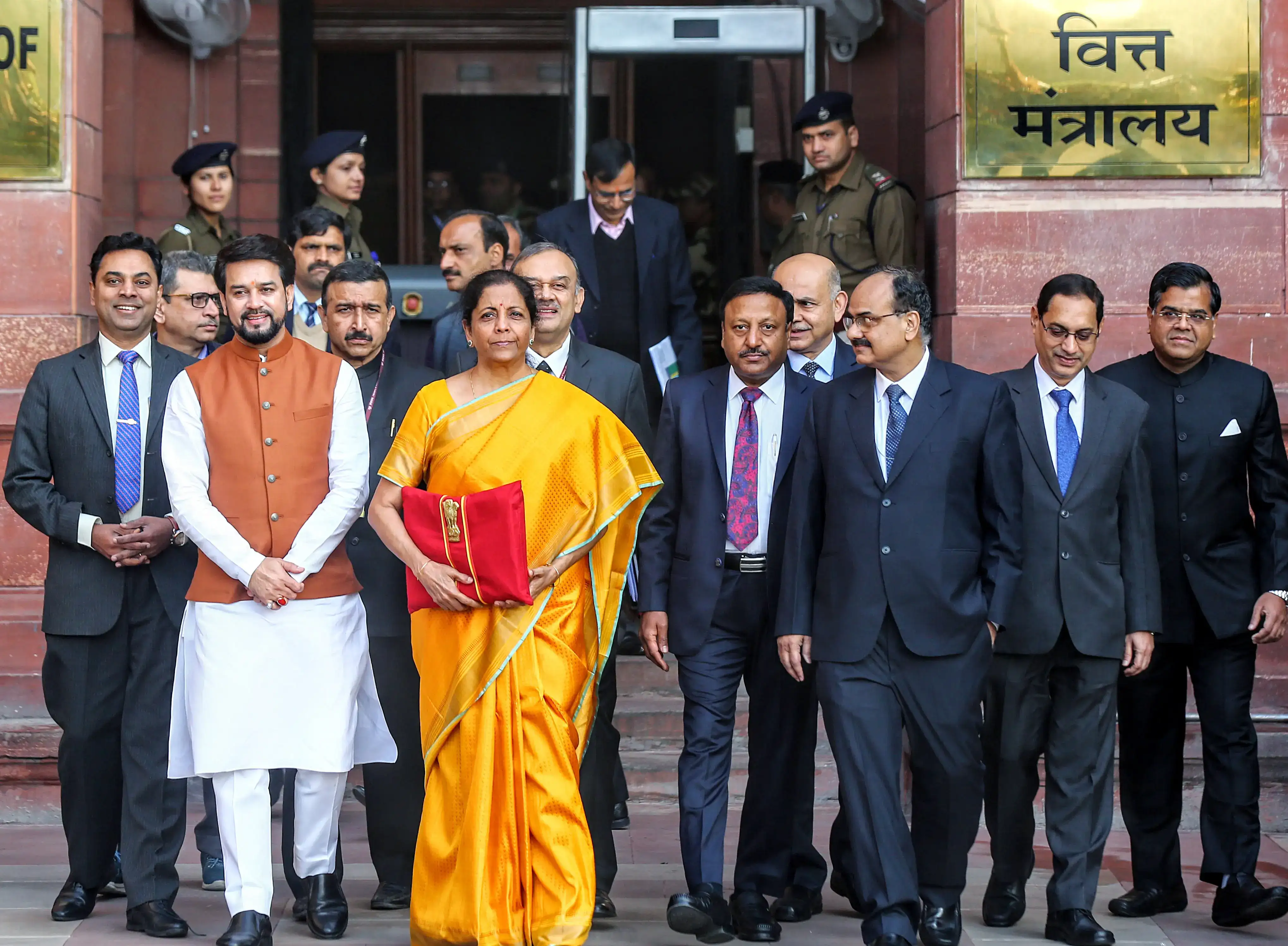
For her second Budget, she chose a yellow silk saree with a green border. The colour palette was widely seen as meaningful yellow symbolising optimism and hope, and green representing stability at a time when early signs of economic stress were emerging.
Union Budget 2021–22
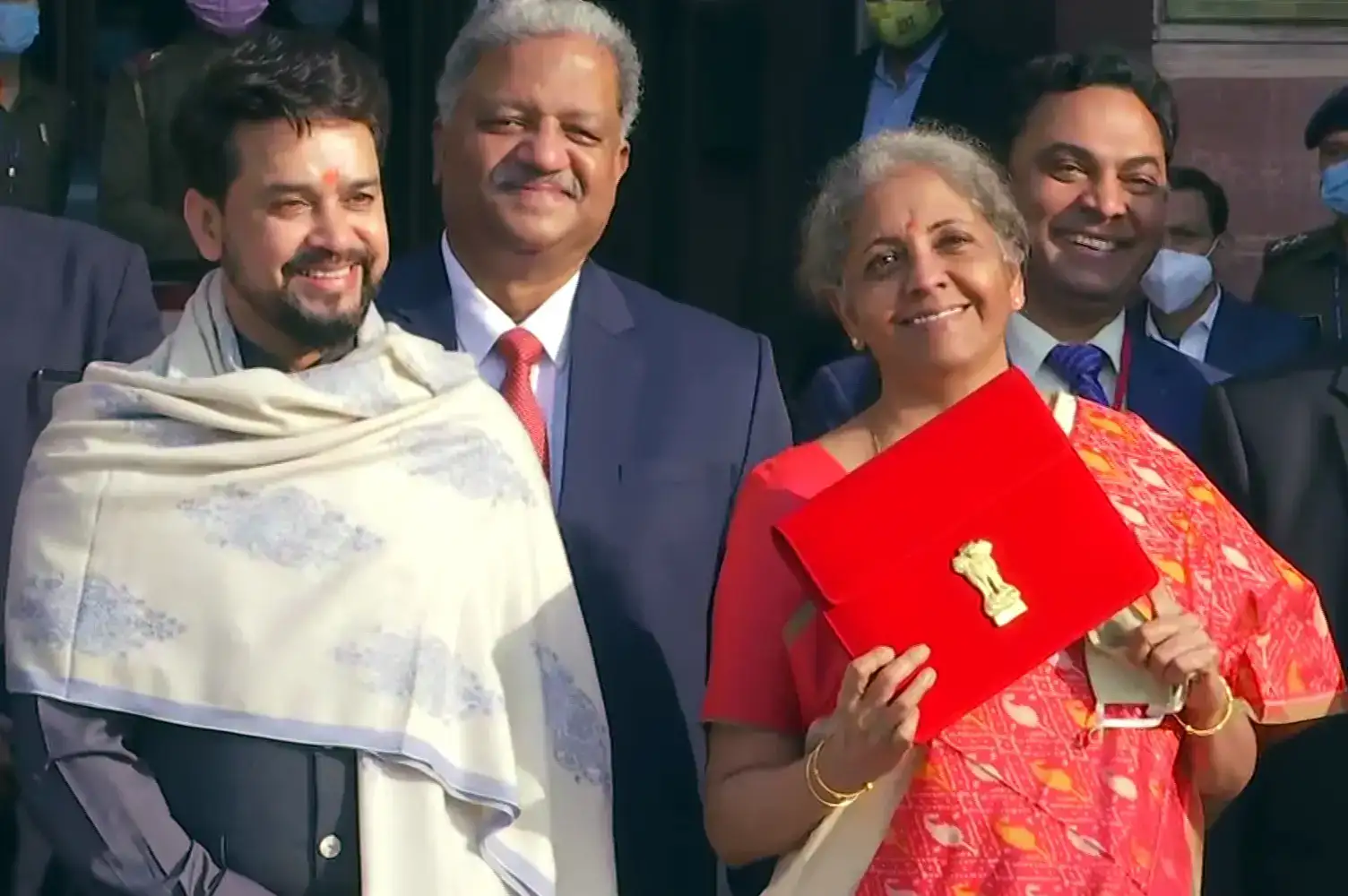
During the pandemic-impacted year, Sitharaman appeared in a red and off-white Pochampally Ikat saree from Telangana. Known for its complex geometric patterns and labour-intensive weaving process, the saree was widely interpreted as a nod to resilience, recovery, and the strength of domestic industries.
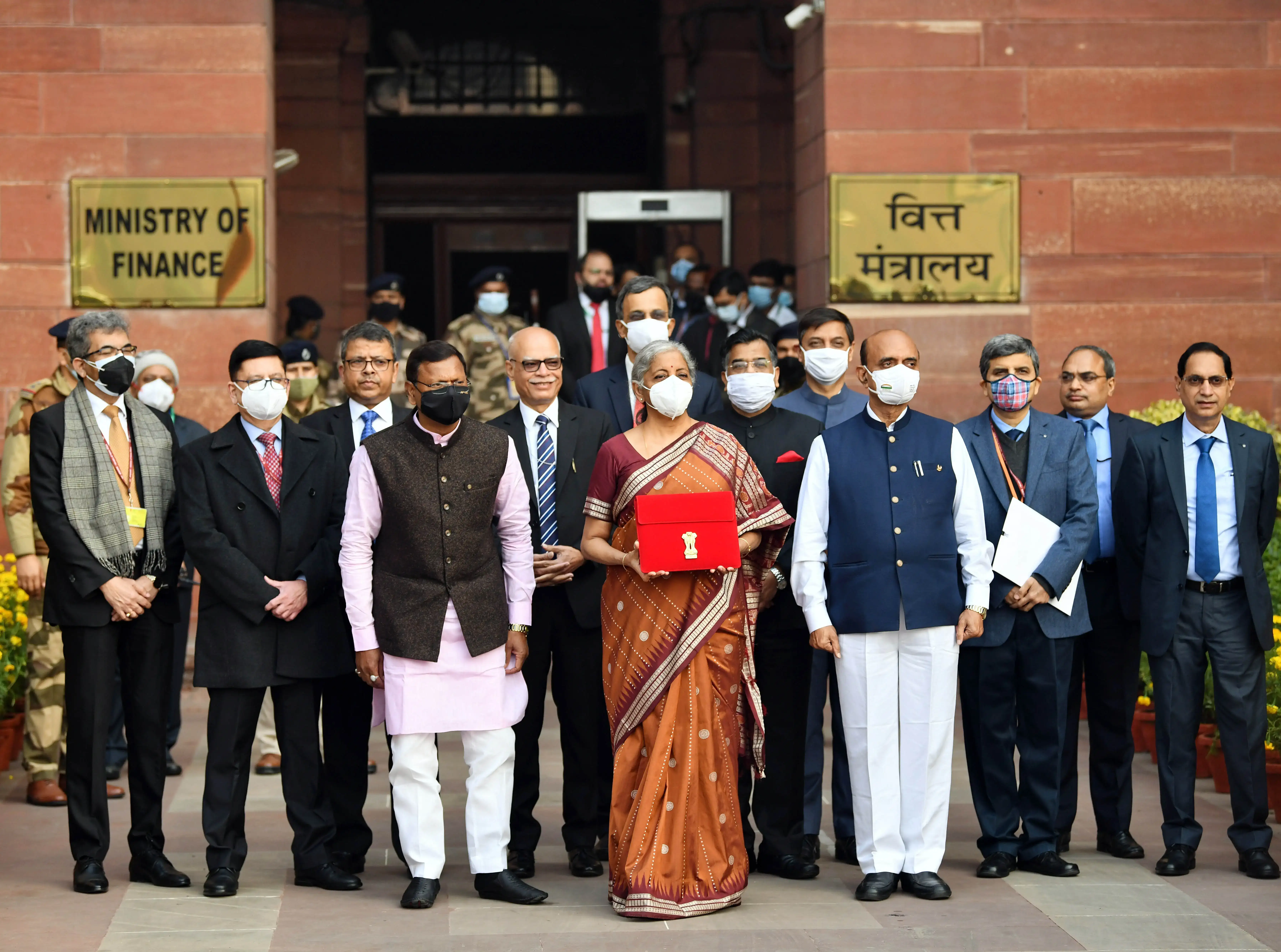
In 2022, she opted for a rust-toned Bomkai saree from Odisha’s Ganjam district, embellished with silver zari. Bomkai weaves are distinctive for blending tribal motifs with classical design elements, and her choice brought attention to a craft that often remains outside the mainstream spotlight.
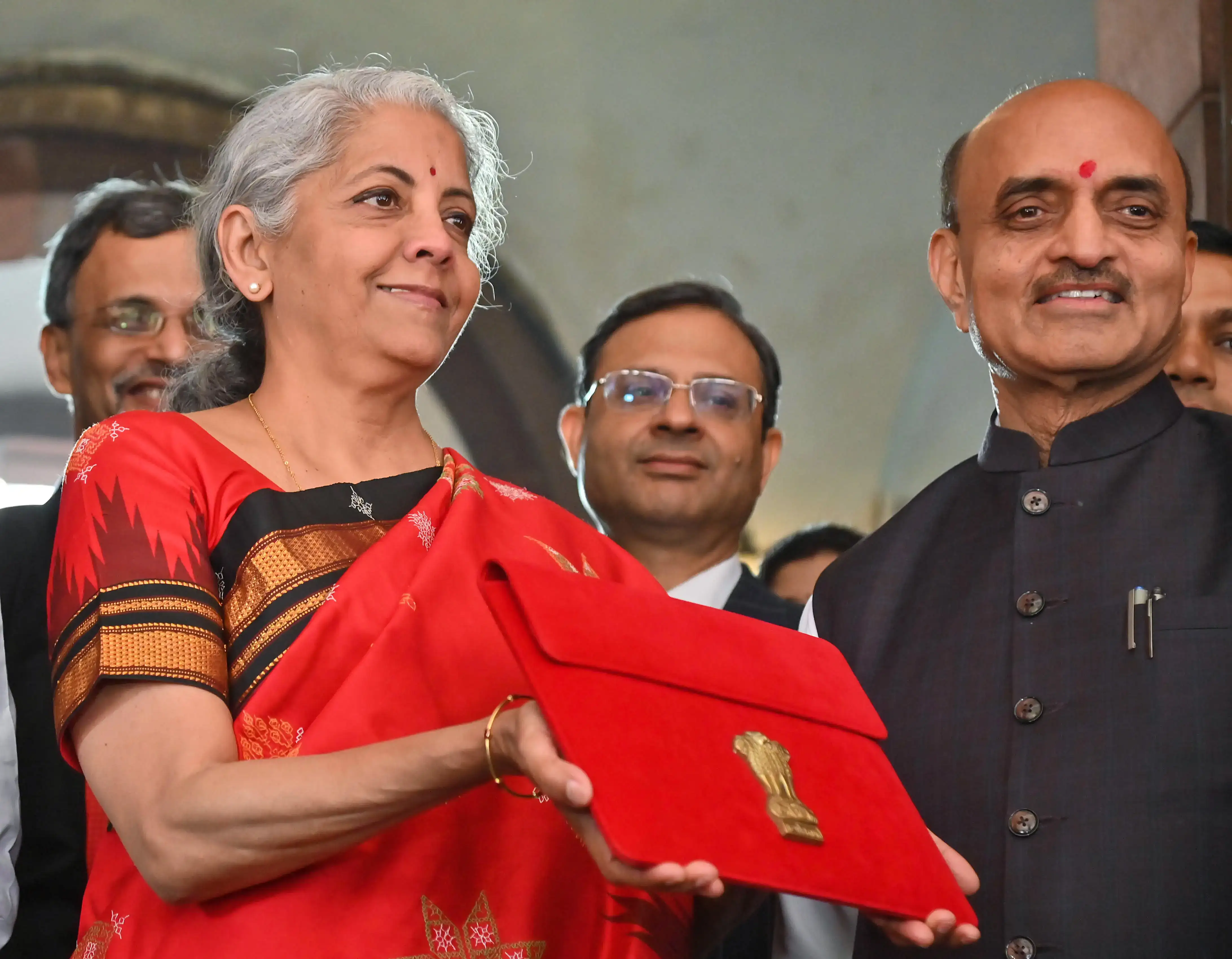
The 2023 Budget saw Sitharaman in a red silk saree with a black temple border and gold zari, associated with Karnataka’s Ilkal weaving tradition. Known for its durability and striking borders, the Ilkal saree reflects the balance between utility and elegance.
Interim Budget 2024–25
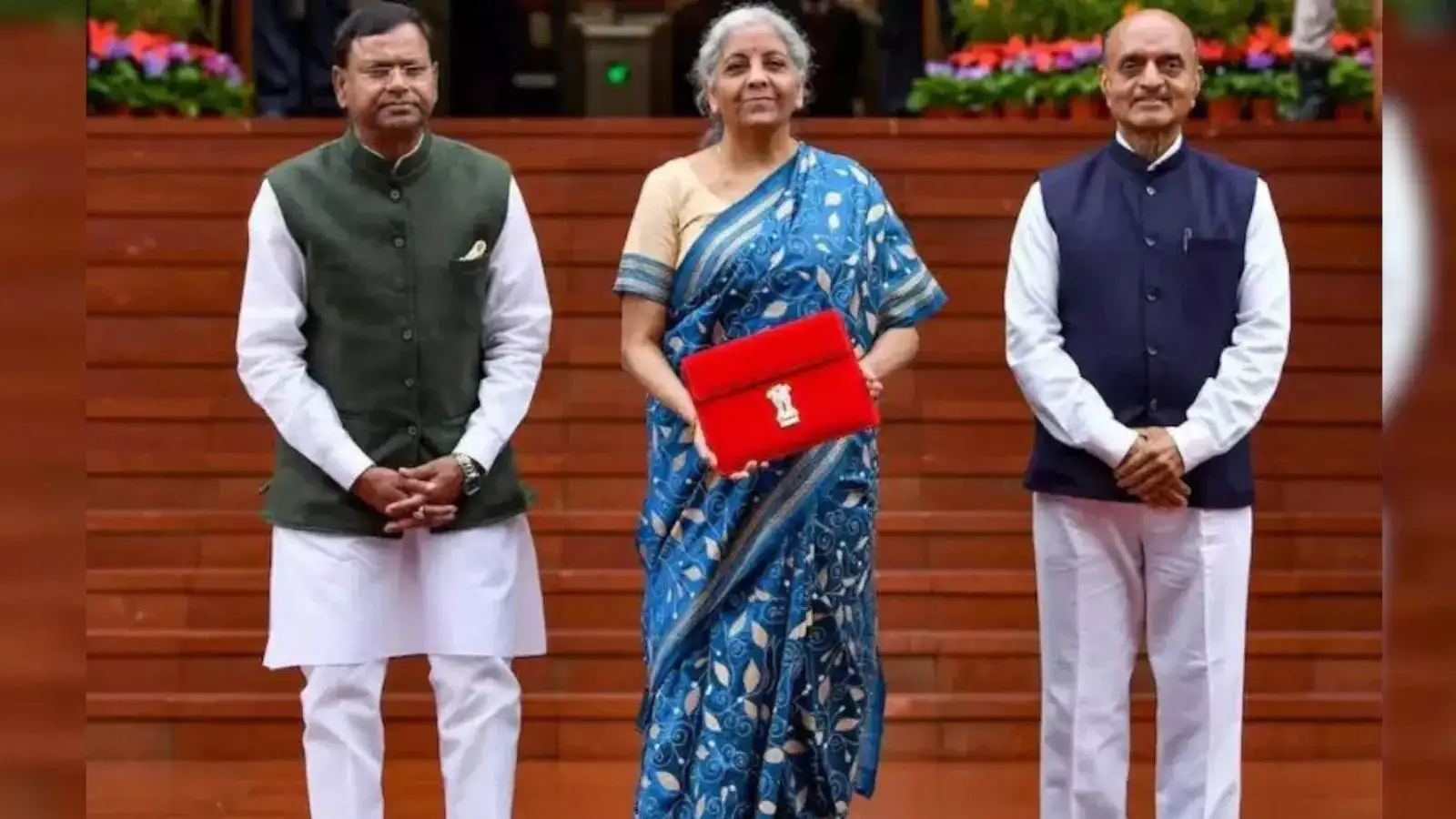
Marking the interim Budget in 2024, she appeared in a blue Tussar silk saree embellished with Kantha embroidery, showcasing West Bengal’s rich textile tradition.
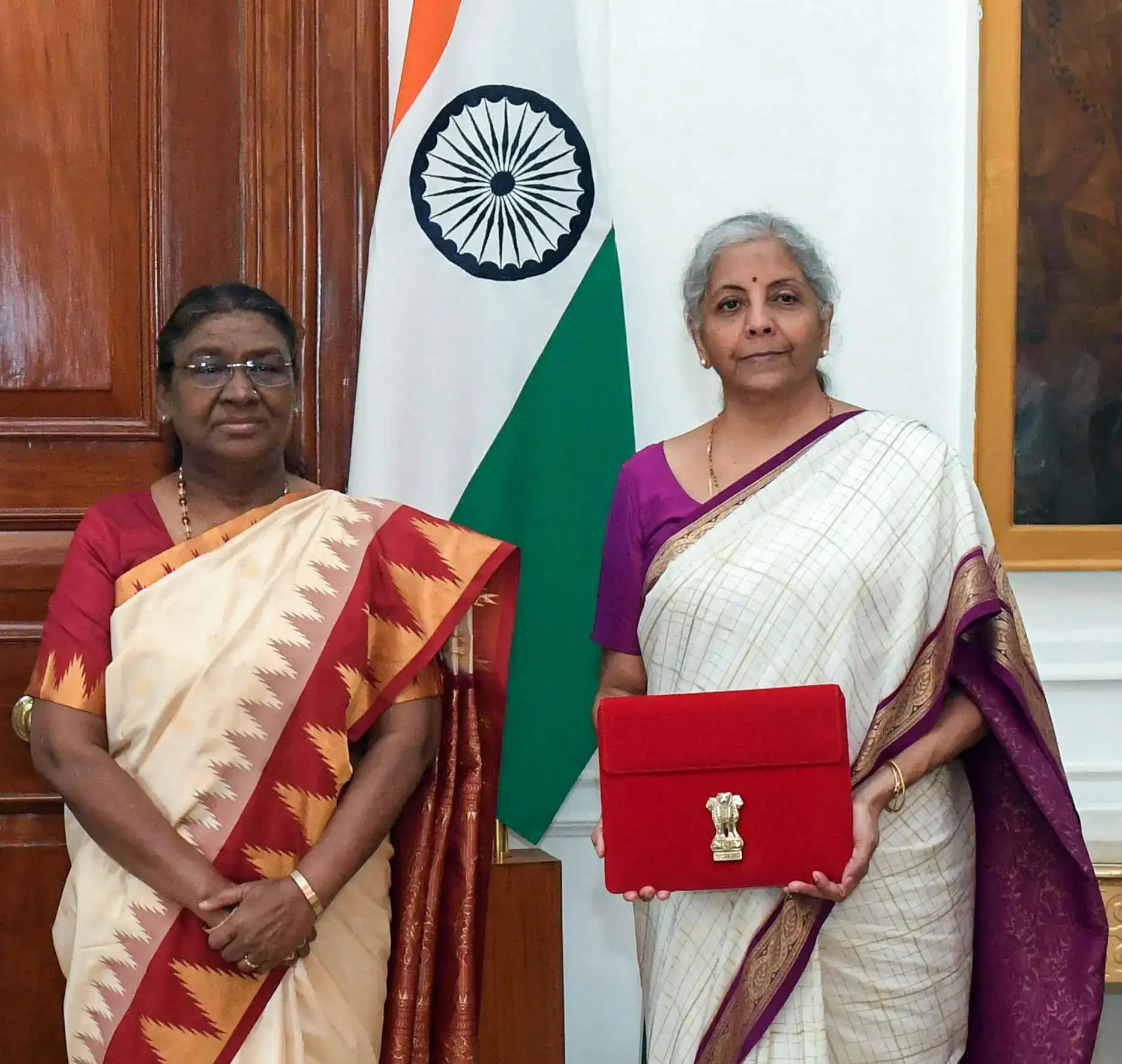
For the 2024 Budget presentation, she wore an off-white Mangalagiri saree with magenta and gold borders, continuing her emphasis on handloom textiles and timeless regional weaves.
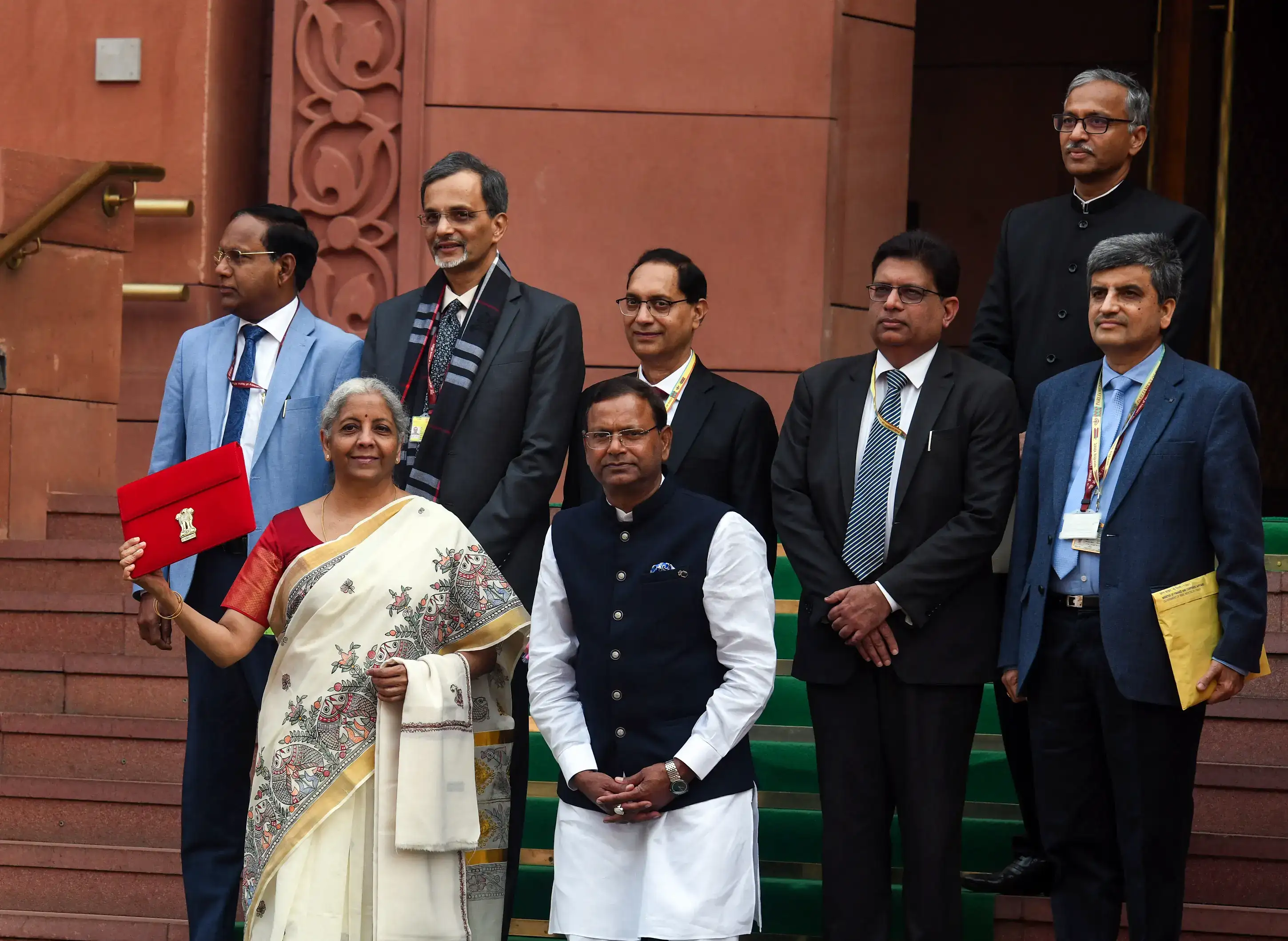
In 2025, Sitharaman chose an off-white saree gifted by Padma Shri awardee Dulari Devi, featuring Madhubani fish motifs from Bihar. The fish symbolised prosperity and abundance, while the artwork highlighted one of India’s most celebrated folk art traditions.
Union Budget 2026–27
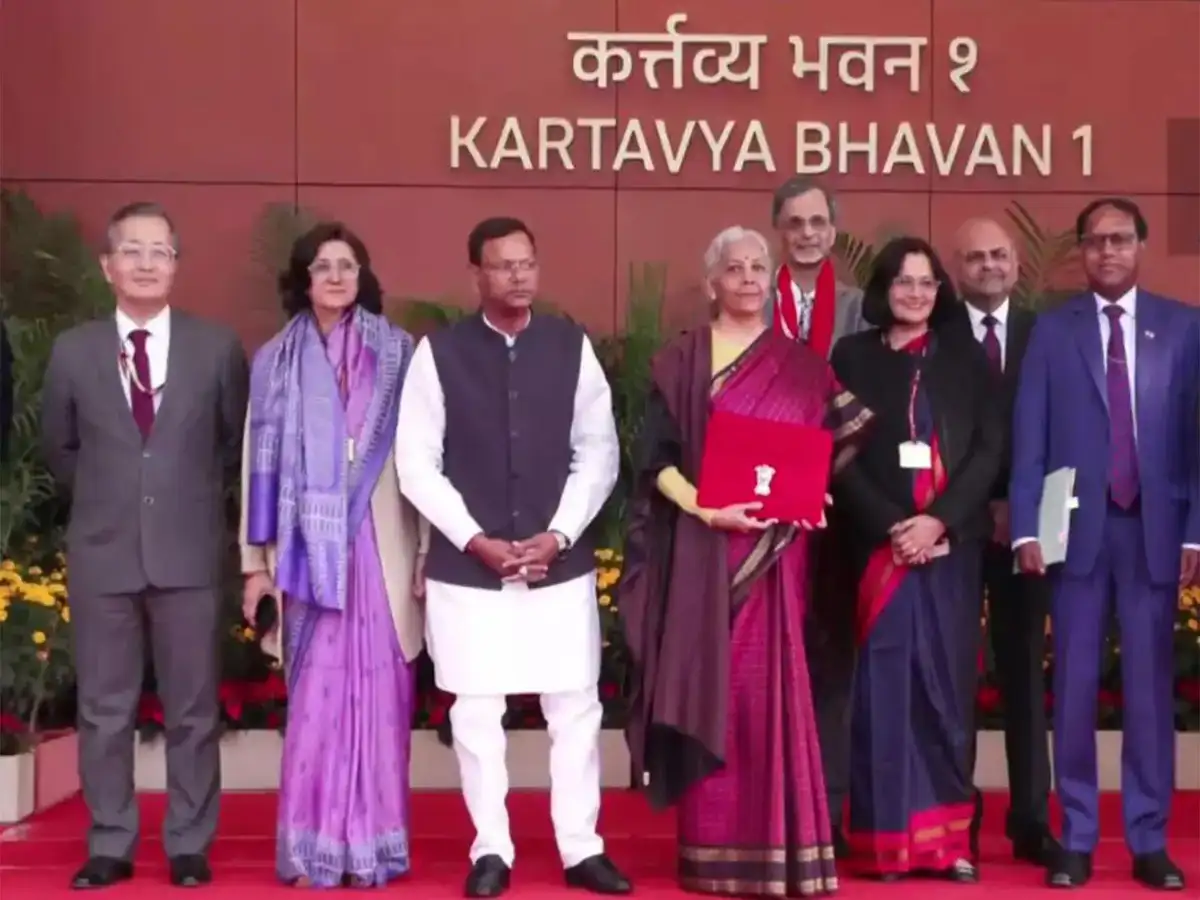
For the 2026–27 Budget, the Finance Minister donned a Kancheepuram (Kanjeevaram) silk saree in purple-magenta hues with a muted gold-brown checkered border. Originating from Kanchipuram in Tamil Nadu, her home state, the iconic weave made the choice both personal and culturally significant.
More than fashion statements, Nirmala Sitharaman’s Budget Day sarees have come to represent continuity, craftsmanship, and cultural pride. On a day when India’s economic direction is charted, her drapes quietly underscore a larger message that tradition and modern governance can coexist, each strengthening the other.
Over the years, Sitharaman’s Budget Day sarees have become a tradition in their own right. Each carefully chosen drape reflects India’s vast and diverse handloom heritage, often spotlighting a specific region, craft tradition, or artisan community. What started as a personal style choice has gradually evolved into a powerful cultural statement one that blends governance with heritage and turns Budget Day into a subtle celebration of Indian textiles.
In a setting dominated by spreadsheets, revenue projections, and economic reforms, her attire offers a gentle reminder of India’s living traditions. Woven in silk, cotton, zari, and age-old techniques, these sarees tell stories of regional pride, skilled craftsmanship, and cultural continuity quietly reinforcing the idea that modern policymaking need not be divorced from tradition.
A Year-by-Year Look at the Sarees That Made a Statement
Union Budget 2019–20
In her first Budget presentation, Sitharaman wore a bright pink Mangalagiri silk saree with a gold border, representing Andhra Pradesh’s renowned handloom tradition. That year also marked a symbolic shift when she carried Budget documents in a red ‘bahi-khata’ instead of a briefcase, underscoring a move towards indigenous symbolism in governance.
Union Budget 2020–21
For her second Budget, she chose a yellow silk saree with a green border. The colour palette was widely seen as meaningful yellow symbolising optimism and hope, and green representing stability at a time when early signs of economic stress were emerging.
You may also like
- NMDC Scripts History as India's First Mining Company to Reach 50 Million Tonnes of Iron Ore Production
- Tehran to give safe passage to Indian ships in Strait of Hormuz: Iran envoy
- Pralhad Joshi denies shortage of petrol and LPG; accuses K'taka govt of misleading people
- IndiGo to levy fuel surcharge of up to Rs 2,300 on flights from March 14
- Centre ups outlay for fertiliser subsidy by Rs 19,000 crore to boost farm output
Union Budget 2021–22
During the pandemic-impacted year, Sitharaman appeared in a red and off-white Pochampally Ikat saree from Telangana. Known for its complex geometric patterns and labour-intensive weaving process, the saree was widely interpreted as a nod to resilience, recovery, and the strength of domestic industries.
Union Budget 2022–23
In 2022, she opted for a rust-toned Bomkai saree from Odisha’s Ganjam district, embellished with silver zari. Bomkai weaves are distinctive for blending tribal motifs with classical design elements, and her choice brought attention to a craft that often remains outside the mainstream spotlight.
Union Budget 2023–24
The 2023 Budget saw Sitharaman in a red silk saree with a black temple border and gold zari, associated with Karnataka’s Ilkal weaving tradition. Known for its durability and striking borders, the Ilkal saree reflects the balance between utility and elegance.
Interim Budget 2024–25
Marking the interim Budget in 2024, she appeared in a blue Tussar silk saree embellished with Kantha embroidery, showcasing West Bengal’s rich textile tradition.
Union Budget 2024–25
For the 2024 Budget presentation, she wore an off-white Mangalagiri saree with magenta and gold borders, continuing her emphasis on handloom textiles and timeless regional weaves.
Union Budget 2025–26
In 2025, Sitharaman chose an off-white saree gifted by Padma Shri awardee Dulari Devi, featuring Madhubani fish motifs from Bihar. The fish symbolised prosperity and abundance, while the artwork highlighted one of India’s most celebrated folk art traditions.
Union Budget 2026–27
For the 2026–27 Budget, the Finance Minister donned a Kancheepuram (Kanjeevaram) silk saree in purple-magenta hues with a muted gold-brown checkered border. Originating from Kanchipuram in Tamil Nadu, her home state, the iconic weave made the choice both personal and culturally significant.
More than fashion statements, Nirmala Sitharaman’s Budget Day sarees have come to represent continuity, craftsmanship, and cultural pride. On a day when India’s economic direction is charted, her drapes quietly underscore a larger message that tradition and modern governance can coexist, each strengthening the other.






More from our partners


Loving Newspoint? Download the app now
