
Budget 2026: New Push for Textiles, Khadi and Handloom to Boost Jobs and Exports

In the Union Budget 2026-27, Finance Minister Nirmala Sitharaman announced a broad set of measures aimed at strengthening India’s textile sector, boosting employment, and supporting traditional crafts like khadi and handloom. These new initiatives are designed to make India’s textile industry more globally competitive while protecting the livelihoods of artisans and workers in rural areas.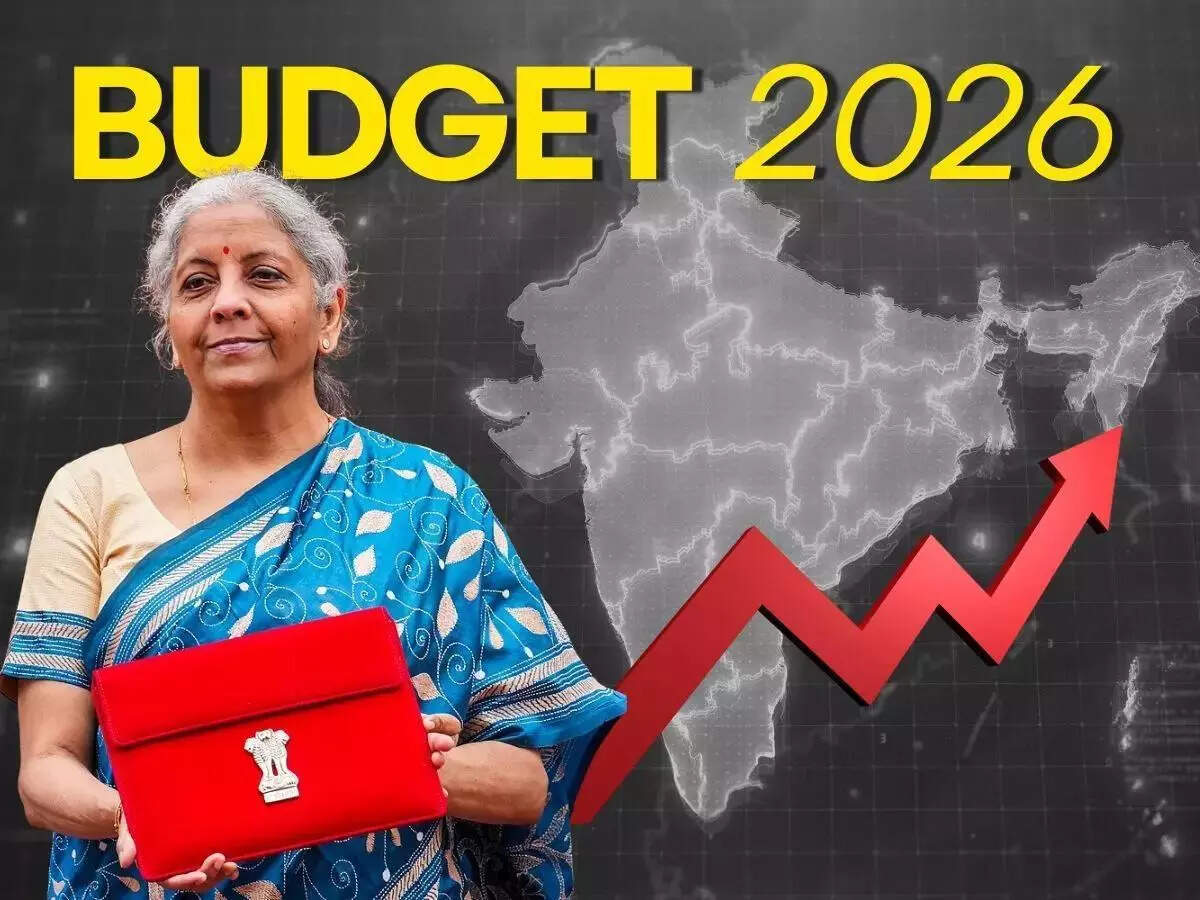
The government’s approach combines modern manufacturing support with village-level empowerment, reflecting an effort to balance industrial growth and traditional craft revival.
The Finance Minister highlighted that textile parks will be selected in “challenge mode,” a competitive process aimed at promoting innovation and efficiency. This should help reduce costs across the textile value chain and make Indian products more competitive internationally.
The first part is the National Fibre Scheme, focused on boosting self-reliance in fibres like silk, wool, jute, and new-age man-made fibres. The second is the Textile Expansion and Employment Scheme, which will modernise traditional textile clusters with capital support for machinery, technology upgrades, and common testing facilities.
A third element, the National Handloom and Handicraft Programme, is designed to support weavers and artisans by integrating and strengthening existing schemes, ensuring targeted assistance and better market access for their products.
This initiative will help artisans by providing global market linkages, branding support, and streamlined training, skilling, and quality processes. The goal is to make traditional Indian textiles and crafts more visible and competitive in international markets, benefiting rural entrepreneurs and youth.
By modernising these clusters, the government hopes to boost production efficiency in textiles and related sectors, creating jobs and improving competitiveness in the global market.
These funds are expected to help enhance liquidity, support technology adoption, and elevate India’s manufacturing base, including textiles, sports goods and rural industries.
These policy measures could also help India compete more effectively with other textile exporters and expand the reach of its traditional crafts on the global stage.
The government’s approach combines modern manufacturing support with village-level empowerment, reflecting an effort to balance industrial growth and traditional craft revival.
Mega Textile Parks to Drive Growth and Value Addition
One of the headline measures in Budget 2026 is the plan to set up mega textile parks. These parks are being created to improve scale, increase value addition especially in technical textiles, and attract both domestic and foreign investment.The Finance Minister highlighted that textile parks will be selected in “challenge mode,” a competitive process aimed at promoting innovation and efficiency. This should help reduce costs across the textile value chain and make Indian products more competitive internationally.
Integrated Textile Programme With Comprehensive Support
Alongside the parks, Budget 2026 introduces an integrated textile programme with five key components aimed at improving production, jobs, and skills across the sector.The first part is the National Fibre Scheme, focused on boosting self-reliance in fibres like silk, wool, jute, and new-age man-made fibres. The second is the Textile Expansion and Employment Scheme, which will modernise traditional textile clusters with capital support for machinery, technology upgrades, and common testing facilities.
A third element, the National Handloom and Handicraft Programme, is designed to support weavers and artisans by integrating and strengthening existing schemes, ensuring targeted assistance and better market access for their products.
Support for Global Market Linkages and Branding
Under the new Mahatma Gandhi Gram Swaraj initiative, the Budget aims to strengthen khadi, handloom and handicraft activities at the village level.This initiative will help artisans by providing global market linkages, branding support, and streamlined training, skilling, and quality processes. The goal is to make traditional Indian textiles and crafts more visible and competitive in international markets, benefiting rural entrepreneurs and youth.
Reviving Clusters and Modernising Traditional Hubs
Budget 2026 also includes plans to revive 200 legacy industrial clusters. These are older manufacturing hubs that can become more competitive with upgrades in infrastructure and technology.By modernising these clusters, the government hopes to boost production efficiency in textiles and related sectors, creating jobs and improving competitiveness in the global market.
Boosting MSMEs and Supporting Value Chains
To further support small and medium enterprises (SMEs) involved in textiles and other industries, the government announced a Rs 4,000 crore top-up to the Self-Reliance India Fund in FY27 and a Rs 10,000 crore SME growth fund aimed at creating “champion” enterprises across sectors.These funds are expected to help enhance liquidity, support technology adoption, and elevate India’s manufacturing base, including textiles, sports goods and rural industries.
Why This Matters for Textiles, Khadi and Handloom
India’s textile sector is a major employer and an important exporter, while khadi and handloom craft represent cultural heritage and grassroots economic activity. By strengthening these sectors through dedicated parks, integrated programmes, and marketing support, Budget 2026 aims to create more jobs, boost exports, and enhance economic resilience in both urban and rural areas.These policy measures could also help India compete more effectively with other textile exporters and expand the reach of its traditional crafts on the global stage.
Next Story