
Budget for Common People: What It Means for Middle-Class Savings

Union Budget 2026 may not have brought immediate tax relief for salaried middle-class taxpayers, but it is far from a non-event for household finances. While Finance Minister Nirmala Sitharaman has avoided tinkering with income tax slabs, her ninth Budget quietly introduces a range of measures aimed at easing compliance, lowering everyday costs and creating long-term opportunities for middle-class families and small investors.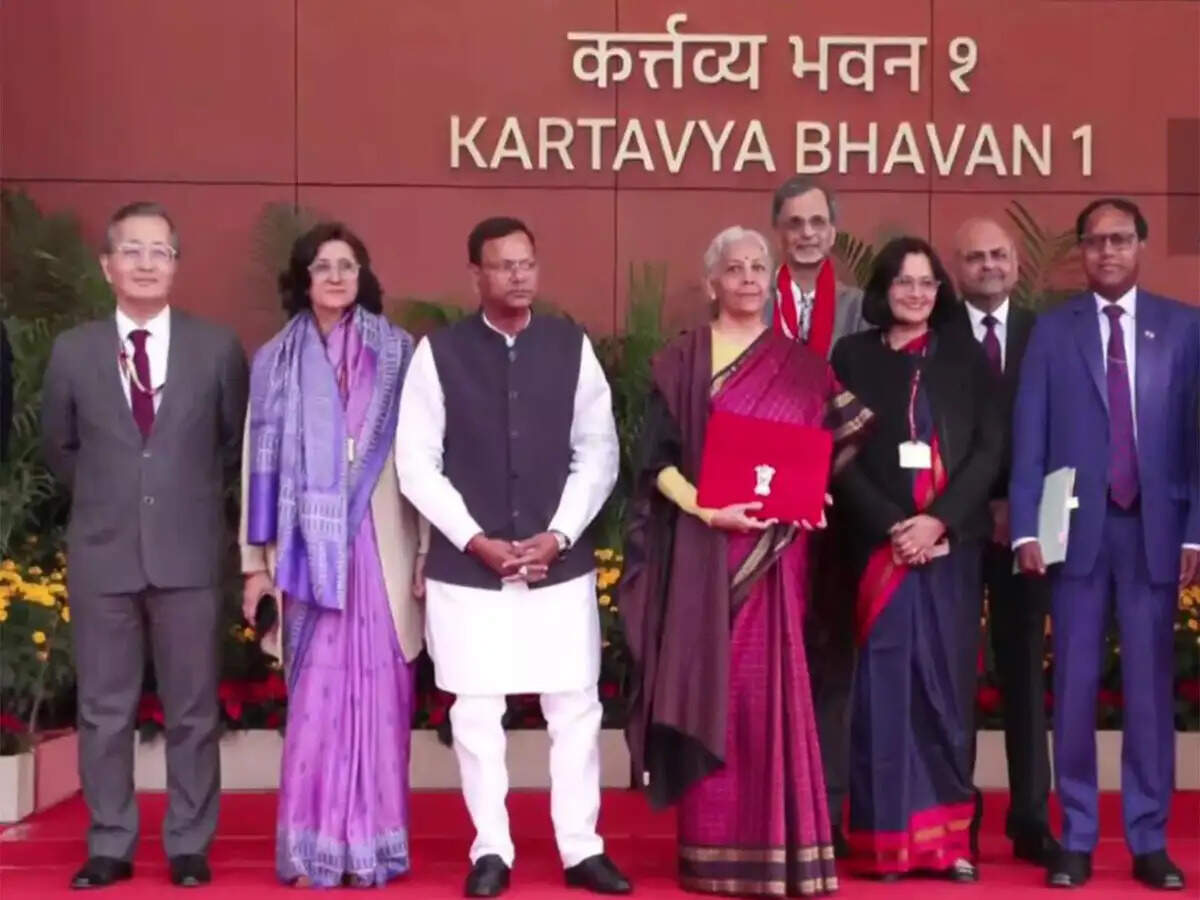
Rather than offering short-term tax breaks, the Budget appears to prioritise stability, predictable taxation and employment-driven growth areas that directly influence disposable income over time.
For salaried individuals, the government has chosen policy continuity. There are no changes in tax slabs or rates this year. Annual income up to ₹12 lakh remains tax-free under the existing tax regime, and with the standard deduction of ₹75,000, the effective tax-free income rises to ₹12.75 lakh.
The unchanged structure signals the government’s intent to maintain certainty for taxpayers rather than introduce frequent revisions.
Compliance Relief and Tax Rationalisation
Instead of direct tax cuts, Budget 2026 focuses on simplifying tax compliance and reducing upfront deductions that affect cash flow.
A key relief comes through lower Tax Collected at Source (TCS) on overseas expenses. TCS on overseas tour packages has been reduced to 2% from the earlier 5% and 20%. Remittances under the Liberalised Remittance Scheme for education and medical needs will also attract a lower TCS of 2%, down from 5%.
Tax filing timelines have been rationalised as well. Individual taxpayers filing ITR-1 and ITR-2 can continue to do so until July 31, while non-audit businesses and trusts will now have time until August 31, offering operational flexibility.
To protect retail investors, the Budget proposes treating all share buybacks as capital gains instead of dividends — a move that addresses long-standing concerns around uneven tax treatment.
Relief in Special Cases and Simpler Paperwork
Individuals receiving compensation through legal settlements will see targeted relief. Interest awarded by the Motor Accident Claims Tribunal will be exempt from income tax, and TDS on such interest will be eliminated.
For small investors and senior citizens, compliance is set to become easier with the introduction of a single-window system through depositories for submitting Form 15G and Form 15H related to TDS on interest and dividends.
The Budget also addresses household expenses by reducing duties on critical items. About 17 cancer medicines will be exempt from customs duty, making treatment more affordable. Personal imports of medicines for seven rare diseases will also be allowed duty-free.
In addition, lower duties on key components used in microwave ovens, television equipment, leather goods and footwear could gradually translate into lower prices for consumers.
Jobs and Growth Outlook
A strong push to capital spending underpins the Budget’s growth strategy. Capital expenditure has been raised to over ₹12 lakh crore, with higher allocations for railways, tourism, logistics and technology sectors. These investments are expected to generate employment and support income growth across the economy.
While Union Budget 2026 stops short of offering headline tax cuts to the middle class, it focuses on gradual financial relief, simpler compliance and job-led growth a steady approach aimed at strengthening household finances over the long run.
Rather than offering short-term tax breaks, the Budget appears to prioritise stability, predictable taxation and employment-driven growth areas that directly influence disposable income over time.
Income Tax: Status Quo Continues
For salaried individuals, the government has chosen policy continuity. There are no changes in tax slabs or rates this year. Annual income up to ₹12 lakh remains tax-free under the existing tax regime, and with the standard deduction of ₹75,000, the effective tax-free income rises to ₹12.75 lakh.
The unchanged structure signals the government’s intent to maintain certainty for taxpayers rather than introduce frequent revisions.
Compliance Relief and Tax Rationalisation
Instead of direct tax cuts, Budget 2026 focuses on simplifying tax compliance and reducing upfront deductions that affect cash flow. A key relief comes through lower Tax Collected at Source (TCS) on overseas expenses. TCS on overseas tour packages has been reduced to 2% from the earlier 5% and 20%. Remittances under the Liberalised Remittance Scheme for education and medical needs will also attract a lower TCS of 2%, down from 5%.
Tax filing timelines have been rationalised as well. Individual taxpayers filing ITR-1 and ITR-2 can continue to do so until July 31, while non-audit businesses and trusts will now have time until August 31, offering operational flexibility.
To protect retail investors, the Budget proposes treating all share buybacks as capital gains instead of dividends — a move that addresses long-standing concerns around uneven tax treatment.
Relief in Special Cases and Simpler Paperwork
Individuals receiving compensation through legal settlements will see targeted relief. Interest awarded by the Motor Accident Claims Tribunal will be exempt from income tax, and TDS on such interest will be eliminated. For small investors and senior citizens, compliance is set to become easier with the introduction of a single-window system through depositories for submitting Form 15G and Form 15H related to TDS on interest and dividends.
Lower Costs for Medicines and Daily-Use Products
The Budget also addresses household expenses by reducing duties on critical items. About 17 cancer medicines will be exempt from customs duty, making treatment more affordable. Personal imports of medicines for seven rare diseases will also be allowed duty-free.
In addition, lower duties on key components used in microwave ovens, television equipment, leather goods and footwear could gradually translate into lower prices for consumers.
Jobs and Growth Outlook
A strong push to capital spending underpins the Budget’s growth strategy. Capital expenditure has been raised to over ₹12 lakh crore, with higher allocations for railways, tourism, logistics and technology sectors. These investments are expected to generate employment and support income growth across the economy. While Union Budget 2026 stops short of offering headline tax cuts to the middle class, it focuses on gradual financial relief, simpler compliance and job-led growth a steady approach aimed at strengthening household finances over the long run.
Next Story