
Renting vs. Buying in 2026: Is the Recent Home Loan Interest Drop a Game Changer?

For many people, owning a home is not just about money. It represents security, independence, and a sense of having truly “arrived” in life. Now, with the Reserve Bank of India cutting interest rates by 1.25 percent over the past year, home loans have become more affordable. Banks are offering lower EMIs, making the dream of buying property feel closer than ever.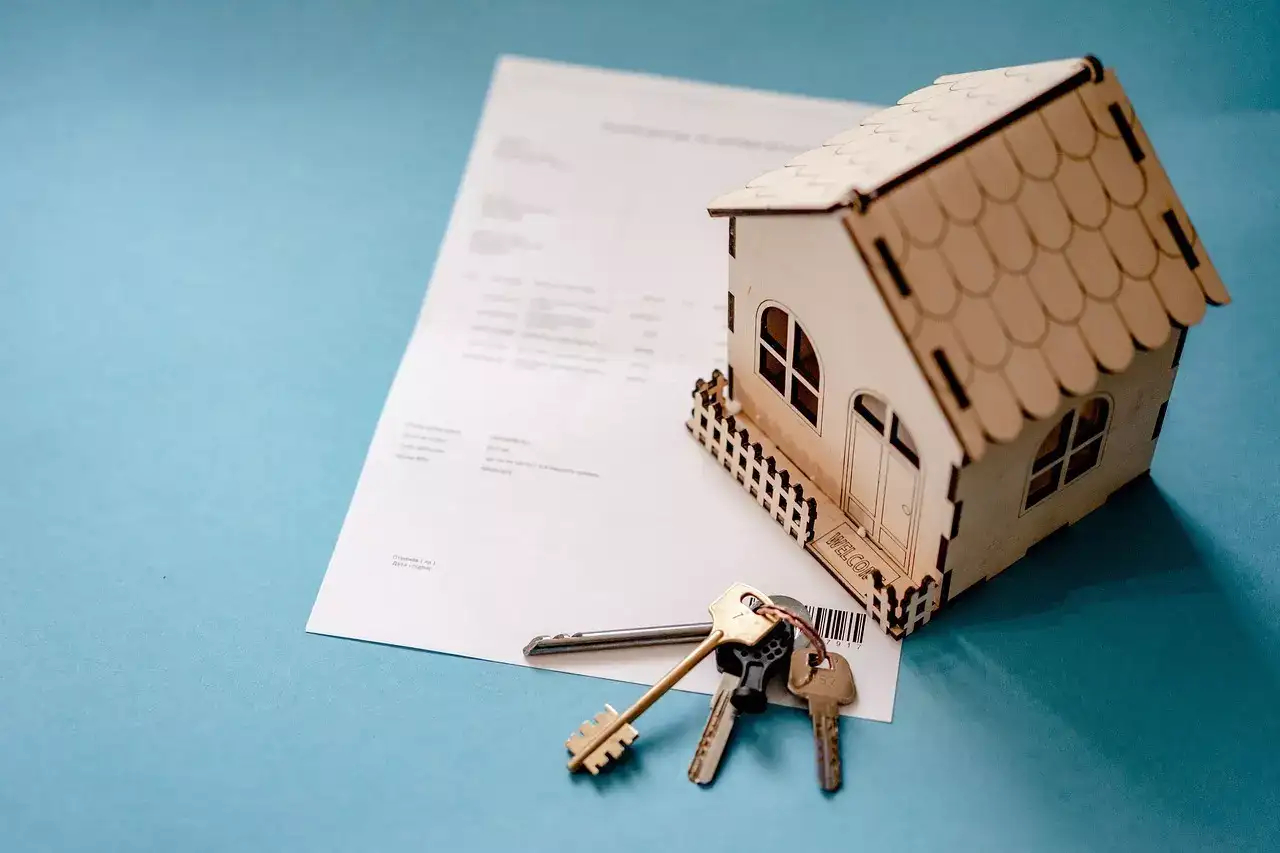
But there is a twist. As borrowing becomes cheaper, property prices in major cities continue to rise. So even with lower interest rates, the overall cost of owning a home can still feel overwhelming. That leaves many wondering: should you buy now, or does renting still make more sense?
Why Buying Looks Attractive
When you pay a home loan EMI, you are not just covering a monthly expense. You are slowly building ownership. Over 15 or 20 years, each payment increases your share in an asset that could grow in value.
Unlike rent, which is money you never see again, a mortgage builds equity. If property prices rise over time, your home could become a powerful long term investment. Once the loan is fully paid, you own a valuable asset that can be sold, rented out for passive income, or passed on to your family.
There is also the emotional factor. Owning a home gives you freedom. You can renovate, redesign, or make structural changes without asking for permission. There is comfort in knowing no landlord can suddenly ask you to move out.
Why Renting Still Makes Sense
On the other hand, renting offers something many modern professionals value deeply: flexibility.
A rental home usually comes with a lower monthly commitment compared to a home loan EMI. That difference can be invested in mutual funds, stocks, or even a business venture. For young earners, this flexibility can lead to faster wealth creation if managed wisely.
Renting also makes relocation easier. In a competitive job market, being able to move cities for better opportunities without worrying about selling property can be a big advantage. Living closer to work can also save hours of commuting every day.
Another major plus is maintenance. As a tenant, you are not responsible for major repairs or structural issues. If something breaks, the landlord handles it. This removes unexpected financial shocks that homeowners often face.
So, What Should You Do?
There is no universal right answer. The decision depends on your personal situation.
If your job requires frequent transfers, buying may not be practical because transaction costs such as stamp duty and brokerage can reduce profits. If property prices in your chosen area are unusually high, waiting and renting might be smarter.
Your financial habits also matter. If you struggle to save, a home loan can act as a disciplined way to build an asset. But if you are comfortable investing and managing risk, renting and investing the difference could generate higher returns.
Lower interest rates are encouraging, but they are just one part of the equation. Whether you choose the stability of owning or the freedom of renting, the best decision is the one that fits your goals, lifestyle, and peace of mind.
Disclaimer: This article is for informational purposes only and does not constitute financial, legal, or investment advice. Real estate decisions should be made after considering individual financial circumstances, market conditions, and consulting with a qualified financial advisor or property expert.
But there is a twist. As borrowing becomes cheaper, property prices in major cities continue to rise. So even with lower interest rates, the overall cost of owning a home can still feel overwhelming. That leaves many wondering: should you buy now, or does renting still make more sense?
Why Buying Looks Attractive
When you pay a home loan EMI, you are not just covering a monthly expense. You are slowly building ownership. Over 15 or 20 years, each payment increases your share in an asset that could grow in value.Unlike rent, which is money you never see again, a mortgage builds equity. If property prices rise over time, your home could become a powerful long term investment. Once the loan is fully paid, you own a valuable asset that can be sold, rented out for passive income, or passed on to your family.
There is also the emotional factor. Owning a home gives you freedom. You can renovate, redesign, or make structural changes without asking for permission. There is comfort in knowing no landlord can suddenly ask you to move out.
You may also like
- Sreedharan reveals details of his new high-speed rail proposal for Kerala
- "Brush them under the carpet": Senior Advocate Sibal slams NCERT over Class 8 book section on judicial corruption
- India's alternate airports to reach around 40 mn passenger capacity in 2026
- India's GDP growth likely at 8.1% in Q3FY26 amid domestic demand boost: SBI report
- Rainbow Six Mobile is now available worldwide on Android and iOS
Why Renting Still Makes Sense
On the other hand, renting offers something many modern professionals value deeply: flexibility.
A rental home usually comes with a lower monthly commitment compared to a home loan EMI. That difference can be invested in mutual funds, stocks, or even a business venture. For young earners, this flexibility can lead to faster wealth creation if managed wisely.
Renting also makes relocation easier. In a competitive job market, being able to move cities for better opportunities without worrying about selling property can be a big advantage. Living closer to work can also save hours of commuting every day.
Another major plus is maintenance. As a tenant, you are not responsible for major repairs or structural issues. If something breaks, the landlord handles it. This removes unexpected financial shocks that homeowners often face.
So, What Should You Do?
There is no universal right answer. The decision depends on your personal situation.
If your job requires frequent transfers, buying may not be practical because transaction costs such as stamp duty and brokerage can reduce profits. If property prices in your chosen area are unusually high, waiting and renting might be smarter.
Your financial habits also matter. If you struggle to save, a home loan can act as a disciplined way to build an asset. But if you are comfortable investing and managing risk, renting and investing the difference could generate higher returns.
Lower interest rates are encouraging, but they are just one part of the equation. Whether you choose the stability of owning or the freedom of renting, the best decision is the one that fits your goals, lifestyle, and peace of mind.
Disclaimer: This article is for informational purposes only and does not constitute financial, legal, or investment advice. Real estate decisions should be made after considering individual financial circumstances, market conditions, and consulting with a qualified financial advisor or property expert.






More from our partners


Loving Newspoint? Download the app now
