
Do You Own a 2.5 Rupee Note? Here’s How This Rare Currency Can Earn You Lakhs

If you own an old 2.5 Rupee Note, you might be sitting on a hidden fortune. Once used during British rule, this rare Indian currency has now become a prized collectible. With growing interest in numismatics, well-preserved notes are fetching impressive prices, sometimes running into lakhs of rupees.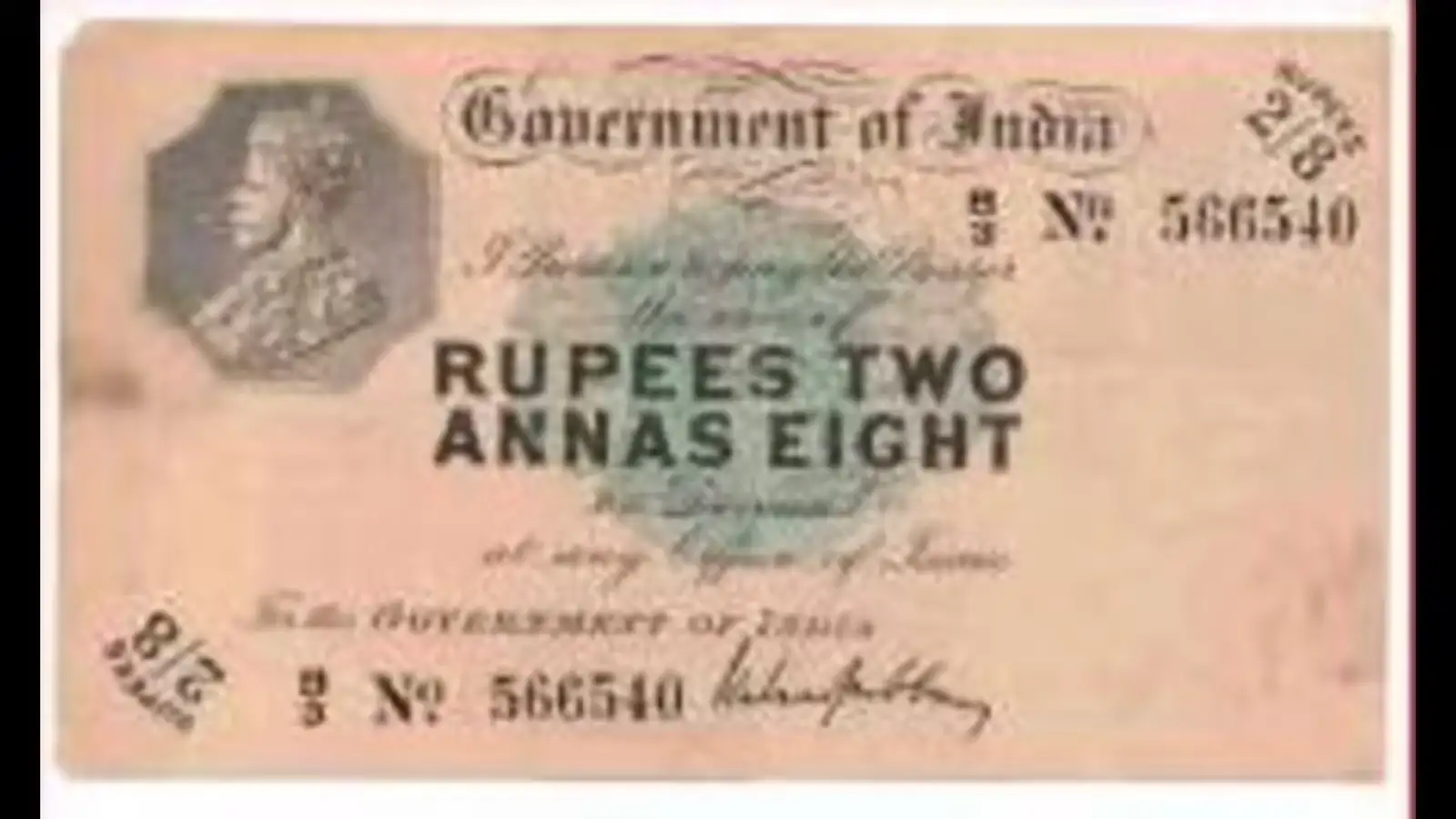
At the time, a shortage of silver coins forced the government to introduce paper currency. Printed in England, the note featured King George V and was considered equivalent in value to the US dollar then. However, it remained in circulation for only a short period and was withdrawn in 1926.
Because of this scarcity, collectors are willing to pay high prices. At auctions, some 2.5 Rupee notes have reportedly sold for up to ₹6.4 lakh, depending on their condition and authenticity.
Collectors believe that each old note and coin tells a story of its time. Such galleries and private collections play a vital role in preserving India’s monetary heritage and connecting collectors with rare finds.
However, not every old note guarantees high returns. Factors like condition, rarity, historical relevance, and market demand decide its true worth.
If you happen to own a genuine 2.5 Rupee note, getting it evaluated by an expert could turn a piece of old paper into a remarkable asset.
A Glimpse into the History of the 2.5 Rupee Note
India’s currency history is filled with unique denominations, and the 2.5 Rupee note is among the rarest. Issued on January 2, 1918, during British rule, this note was equal to 2 rupees and 8 annas, when one rupee was divided into 16 annas.At the time, a shortage of silver coins forced the government to introduce paper currency. Printed in England, the note featured King George V and was considered equivalent in value to the US dollar then. However, it remained in circulation for only a short period and was withdrawn in 1926.
Why Is the 2.5 Rupee Note So Valuable Today?
The value of old currency depends on rarity, demand, and condition. Since the 2.5 Rupee note was issued briefly, very few copies have survived in good condition. Paper notes also deteriorate faster than coins, making well-preserved examples even more precious.Because of this scarcity, collectors are willing to pay high prices. At auctions, some 2.5 Rupee notes have reportedly sold for up to ₹6.4 lakh, depending on their condition and authenticity.
You may also like
 RBI's rate decision reflects favourable assessment of India's growth: Economists
- Bengaluru-based ex-KPMG and Deloitte employee shares how hustle culture left her body 'giving up': 'What's the point of success if I can't...'
 RS: Railway Minister signals progress on Jammu Metro, urges Kerala's cooperation for projects
- Historic Frontier Nagaland agreement reflects peace, inclusive growth: PM Modi
- SC declines to hear Jan Suraaj plea challenging Bihar assembly poll results
Jain Coin Gallery: A Collector’s Paradise in Jharkhand
Located in Hazaribagh, Jharkhand, the Jain Coin Gallery has emerged as a major hub for coin and currency enthusiasts. The gallery houses rare Mughal coins, British-era banknotes, and commemorative currencies from independent India.Collectors believe that each old note and coin tells a story of its time. Such galleries and private collections play a vital role in preserving India’s monetary heritage and connecting collectors with rare finds.
Numismatics: A Fast-Growing Hobby in India
Currency collecting is rapidly gaining popularity across the country. Many enthusiasts have turned this hobby into a profitable venture by selling rare notes and coins. While some currencies fetch lakhs, others with unique serial numbers or historical importance can even sell for crores.However, not every old note guarantees high returns. Factors like condition, rarity, historical relevance, and market demand decide its true worth.
More Than Money: A Legacy of History
Rare currency is not just about financial value; it is a window into India’s economic past. The 2.5 Rupee note reflects how governments adapted their monetary systems during challenging times. Preserving such currency helps future generations understand the evolution of India’s financial history.If you happen to own a genuine 2.5 Rupee note, getting it evaluated by an expert could turn a piece of old paper into a remarkable asset.






More from our partners


Loving Newspoint? Download the app now
