
Found an Old Note at Home? It May Be Worth ₹7 Lakh - Here’s What You Need to Know

Old notes and coins are no longer just memories of the past. For many collectors, they have become a valuable source of income. In India, the number of currency collectors is rising fast, and rare banknotes can fetch lakhs of rupees. If you have an old note from the pre-independence era stored at home, it could be worth much more than you imagine.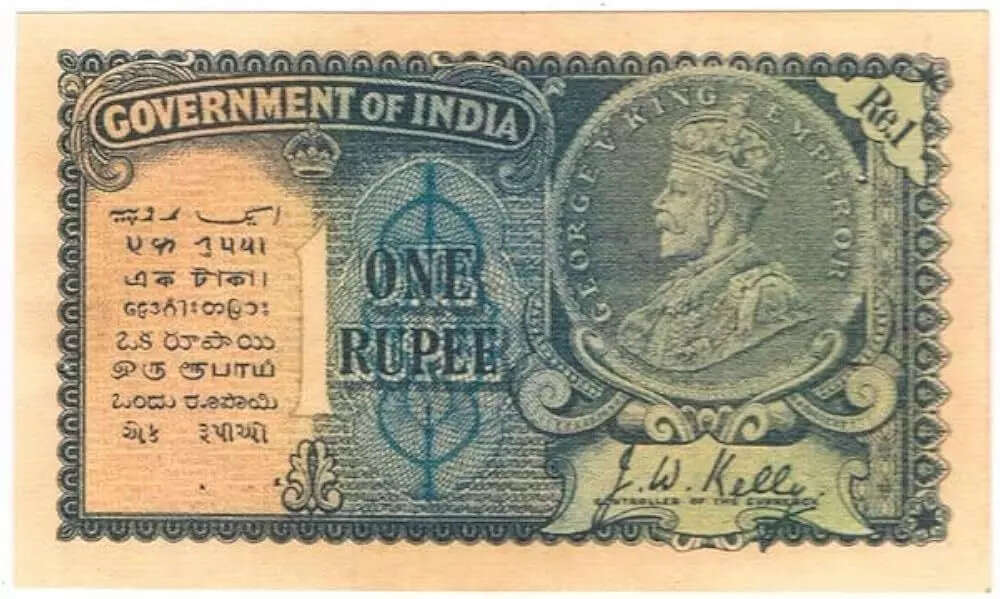
One note currently creating a buzz is the 1-rupee banknote from the British era. This note was issued around 1935 and carries the signature of the then Governor J.W.. Being nearly 90 years old, it is considered extremely rare. Collectors are so eager to own it that the price has soared up to ₹7 lakh in some cases, especially when the note is in excellent condition.
This banknote is not just old it is a piece of history. It represents the time when India was under British rule and the economic system operated differently. The value increases due to several factors:
Only notes that are well-preserved and intact are considered valuable. Any damage or wear can significantly reduce its price.
Why Does a 1-Rupee Note Sell for Lakhs?
The primary reason is rarity. The 1-rupee note was discontinued multiple times, making it scarce. As time passed, fewer notes remained in good condition, increasing their value. Pre-independence notes are particularly prized among collectors due to their historical significance.
The 1-rupee note was first introduced in 1917, featuring the portrait of King George V. Printing stopped in 1926, but the note was reissued in 1940. It was discontinued again in 1994. After nearly two decades, printing resumed in 2015.
One unique feature of this note is that it bears the inscription “Government of India” instead of “Reserve Bank of India.” This is because the note was introduced before the RBI was established in 1935.
If you come across an old British-era 1-rupee note at home, it could be a rare collector’s item. With the right condition and authenticity, such a note could be worth lakhs. It’s worth checking old currency before discarding it.
One note currently creating a buzz is the 1-rupee banknote from the British era. This note was issued around 1935 and carries the signature of the then Governor J.W.. Being nearly 90 years old, it is considered extremely rare. Collectors are so eager to own it that the price has soared up to ₹7 lakh in some cases, especially when the note is in excellent condition.
What Makes This 1-Rupee Note Special?
This banknote is not just old it is a piece of history. It represents the time when India was under British rule and the economic system operated differently. The value increases due to several factors:
- Historical significance
- Limited printing and availability
- Governor’s signature
- High demand among collectors
- Good condition with no cuts or defects
Only notes that are well-preserved and intact are considered valuable. Any damage or wear can significantly reduce its price.
You may also like
- Automatic Washing Machine That Wasn't – My first lessons as an Engineer
- How the India–China story fell apart
- Ahmedabad: AMC clears encroachments near Vatva lake, demolishes around 450 illegal structures
- Gas crisis across Bangladesh direct outcome of state neglect, says Awami League
 "It is duty of Governor to read govt speech": Tamil Nadu assembly speaker Appavu on Governor's walkout
Where Are Old Notes Sold Online?
In today’s digital age, collectors often buy and sell old currency through online platforms. Sites like Coin Bazaar and Quikr are popular for auctioning rare notes. However, it’s important to remember that the Reserve Bank of India (RBI) does not officially allow the buying and selling of old banknotes and coins. Therefore, such transactions are carried out at the buyer’s and seller’s own risk.Why Does a 1-Rupee Note Sell for Lakhs?
The primary reason is rarity. The 1-rupee note was discontinued multiple times, making it scarce. As time passed, fewer notes remained in good condition, increasing their value. Pre-independence notes are particularly prized among collectors due to their historical significance.
A Short History of the 1-Rupee Note
The 1-rupee note was first introduced in 1917, featuring the portrait of King George V. Printing stopped in 1926, but the note was reissued in 1940. It was discontinued again in 1994. After nearly two decades, printing resumed in 2015.
One unique feature of this note is that it bears the inscription “Government of India” instead of “Reserve Bank of India.” This is because the note was introduced before the RBI was established in 1935.
If you come across an old British-era 1-rupee note at home, it could be a rare collector’s item. With the right condition and authenticity, such a note could be worth lakhs. It’s worth checking old currency before discarding it.






More from our partners


Loving Newspoint? Download the app now
