
Get Up To Rs 18 Lakh For An Old Rs 100 Note; Know Where And How To Sell It

The growing interest in rare currency collectibles has opened up an unusual income opportunity for individuals across India. What may appear to be an ordinary old ₹100 note lying forgotten in a drawer could actually hold remarkable value in the collectors’ market. With digital marketplaces making buying and selling easier than ever, many people are now exploring the potential of vintage notes and coins as alternative assets. However, not every old note qualifies for a premium price, and understanding the value drivers is essential before entering this niche segment.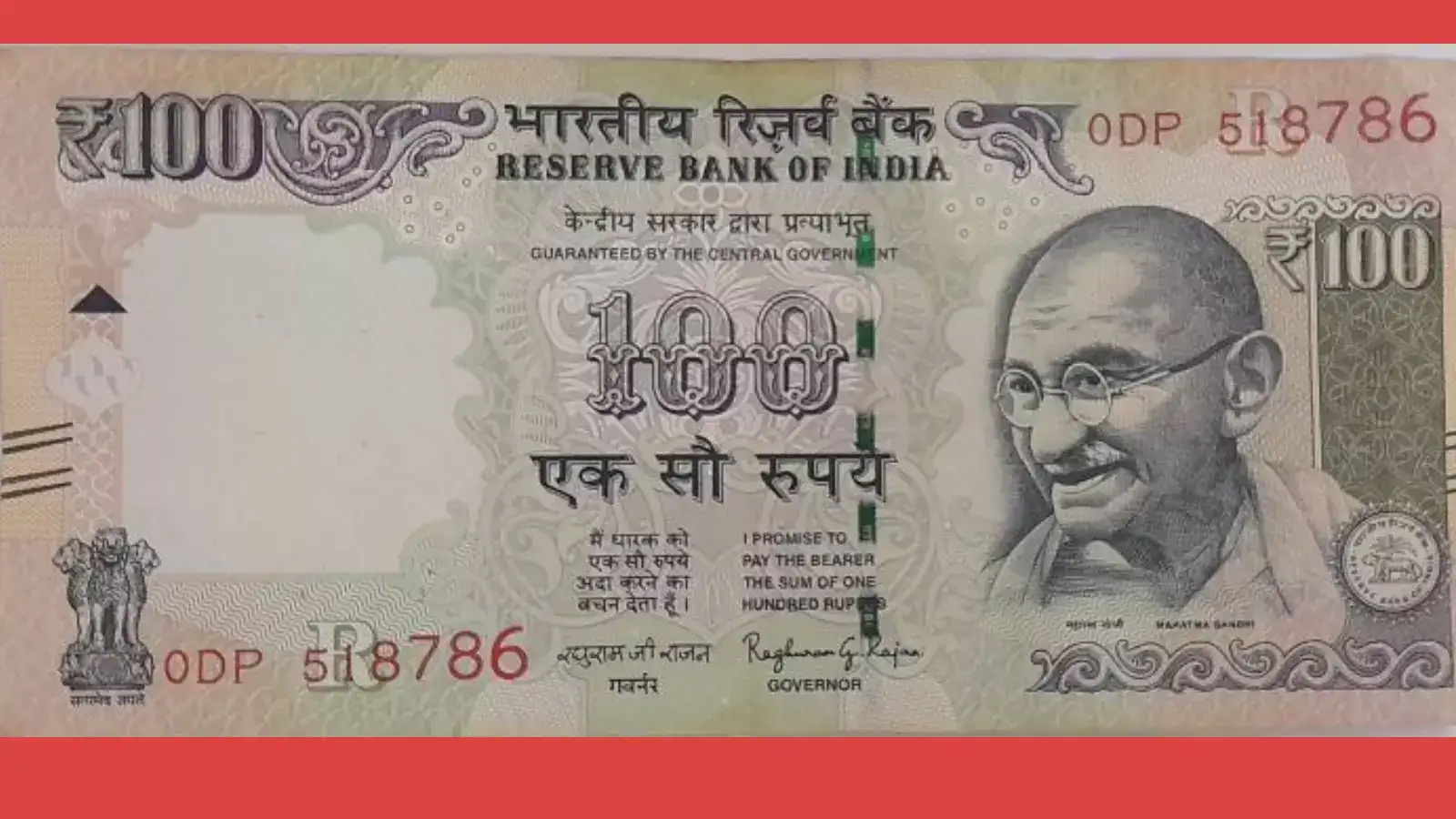
Online platforms have played a major role in this shift. They allow sellers to list rare notes, connect with buyers globally, and negotiate prices based on demand and scarcity. As a result, individuals are increasingly viewing old currency as a potential side-income source without requiring any upfront investment.
For instance, a ₹100 note bearing the serial number 786 is often regarded as highly auspicious. Because of its cultural importance and symbolic association with prosperity and good fortune, collectors may be willing to pay substantial amounts for such notes. In rare cases, sellers claim offers running into lakhs, depending on demand and authenticity.
Other serial patterns that attract buyers include repeating digits, ladder numbers, radar numbers, and low-digit sequences. The rarer the combination, the higher the perceived collectible value.
Printing errors, misalignments, or rare design variations can further increase desirability. Such anomalies are considered limited-occurrence prints, making them valuable among serious collectors.
Collectors usually look for notes that appear almost new despite their age. Proper storage, minimal handling, and protection from moisture or sunlight help maintain collectible quality.
Once listed, the advertisement becomes visible to potential buyers. Interested collectors may initiate direct contact to negotiate pricing. Final transactions are completed mutually after verifying authenticity and condition.
While the process is simple, sellers should remain cautious and deal only through trusted platforms to avoid fraud.
However, realistic expectations are essential. Not every old ₹100 note will fetch lakhs. Only those with rare serial numbers, strong cultural relevance, distinctive print features, and excellent condition attract premium valuations.
As awareness spreads and digital access improves, the rare note market is likely to witness further expansion, turning forgotten currency into sought-after collectibles.
Disclaimer: The information provided in this article is for general informational and educational purposes only. The buying and selling prices of old currency notes depend entirely on collector demand, rarity, condition, and market trends. There is no official government scheme that guarantees any fixed return or payment for old notes. Readers are advised to verify authenticity, use trusted platforms, and exercise caution while engaging in any such transactions.
Rising Demand for Rare Currency Notes
The market for rare currency has expanded significantly in recent years. Collectors, hobbyists, and investors are actively seeking vintage Indian notes that carry historical, cultural, or numerical significance. This surge in demand has transformed old notes into tradable collectibles rather than mere obsolete currency.Online platforms have played a major role in this shift. They allow sellers to list rare notes, connect with buyers globally, and negotiate prices based on demand and scarcity. As a result, individuals are increasingly viewing old currency as a potential side-income source without requiring any upfront investment.
Why Serial Numbers Matter the Most
Among all value factors, the serial number is considered the most crucial. Certain number patterns attract exceptional premiums. Notes carrying culturally or religiously significant numbers tend to draw strong interest from specific buyer groups.For instance, a ₹100 note bearing the serial number 786 is often regarded as highly auspicious. Because of its cultural importance and symbolic association with prosperity and good fortune, collectors may be willing to pay substantial amounts for such notes. In rare cases, sellers claim offers running into lakhs, depending on demand and authenticity.
Other serial patterns that attract buyers include repeating digits, ladder numbers, radar numbers, and low-digit sequences. The rarer the combination, the higher the perceived collectible value.
Role of Design and Print Features
Beyond serial numbers, the physical design of the note also influences pricing. Collectors prefer notes that display clear printing, sharp alignment, and well-preserved imagery. Notes featuring distinct and crisp depictions of national symbols or iconic figures often command better offers.Printing errors, misalignments, or rare design variations can further increase desirability. Such anomalies are considered limited-occurrence prints, making them valuable among serious collectors.
Importance of Note Condition
Condition plays a decisive role in determining resale value. A note that is torn, excessively folded, faded, or stained is unlikely to attract premium bids. On the other hand, notes preserved in near-mint condition generate stronger buyer interest.Collectors usually look for notes that appear almost new despite their age. Proper storage, minimal handling, and protection from moisture or sunlight help maintain collectible quality.
How to Sell Old Notes Online
Selling rare notes has become a straightforward digital process. Individuals can register themselves as sellers on online collectible marketplaces. After creating an account, sellers must upload high-resolution images of both sides of the note, clearly highlighting the serial number and design features.Once listed, the advertisement becomes visible to potential buyers. Interested collectors may initiate direct contact to negotiate pricing. Final transactions are completed mutually after verifying authenticity and condition.
While the process is simple, sellers should remain cautious and deal only through trusted platforms to avoid fraud.
A Niche but Growing Investment Space
Rare currency trading remains a niche segment but is steadily gaining popularity as an alternative investment avenue. For collectors, it combines passion with profit. For casual sellers, it offers an unexpected monetisation opportunity from dormant assets.However, realistic expectations are essential. Not every old ₹100 note will fetch lakhs. Only those with rare serial numbers, strong cultural relevance, distinctive print features, and excellent condition attract premium valuations.
As awareness spreads and digital access improves, the rare note market is likely to witness further expansion, turning forgotten currency into sought-after collectibles.
Disclaimer: The information provided in this article is for general informational and educational purposes only. The buying and selling prices of old currency notes depend entirely on collector demand, rarity, condition, and market trends. There is no official government scheme that guarantees any fixed return or payment for old notes. Readers are advised to verify authenticity, use trusted platforms, and exercise caution while engaging in any such transactions.