
Is Your Savings Account Costing You Money? Smarter Places For Idle Cash

A healthy savings account balance feels comforting. It signals discipline, financial security , and readiness for emergencies. But beyond a certain point, that comfort comes at a hidden cost. Money that sits idle for too long doesn’t remain neutral. Even if your balance grows in the app, rising prices can quietly erode your purchasing power if your account interest doesn’t keep up with inflation.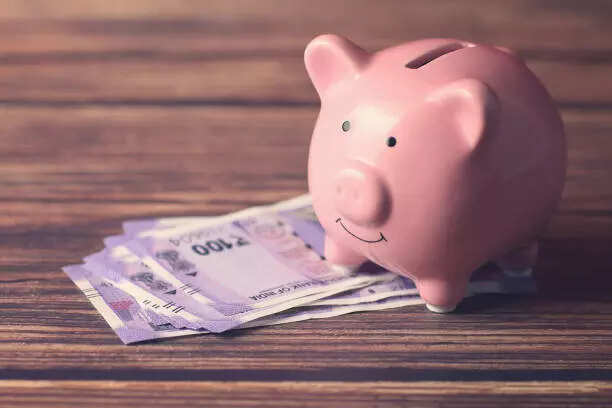
Most savings accounts offer interest rates around 3-4%, which may seem reasonable. Yet everyday expenses groceries, utilities, school fees, medical costs, and household bills have consistently outpaced these returns over the past few years. The result is a slow, almost invisible loss in the real value of your money. Unlike sudden financial shocks, this erosion happens gradually, making it easy to overlook.
How Much Cash Should Actually Sit in a Savings Account
Liquidity is important. You need cash on hand for rent, EMIs, bills, and unexpected expenses. But holding far more than necessary in a savings account designed for convenience, not growth can be costly.
A practical guideline is to keep three to six months’ worth of expenses as an emergency buffer. This is your “no-questions-asked” money, instantly accessible, safe from market fluctuations, and ready for emergencies. Any surplus beyond this, unless allocated for a specific near-term goal, is essentially earning minimal returns while losing value what experts call the “idle cash penalty.”
Treat Your Savings Account as a Transit Point
Savings accounts are best for money you plan to use soon, not for long-term parking. A helpful way to think about it is like a kitchen counter: you keep items there that you will use shortly. Long-term storage belongs in cupboards or, in financial terms, in investment vehicles that grow your money.
Keeping too much idle cash in your savings account leads to cluttered finances and missed opportunities. The money is safe, but it isn’t working.
Where Surplus Cash Should Go
Once your emergency fund is in place, consider redirecting surplus cash to instruments that balance accessibility with higher returns.
1. Fixed Deposits (FDs)
FDs are ideal for money you don’t need immediately. To maintain flexibility, consider laddering: divide your amount into several smaller deposits with staggered maturities, so a portion of your cash becomes available regularly without locking everything away for long periods.
2. Liquid and Ultra-Short Duration Mutual Funds
These funds are designed for short-term parking with low volatility. They are not completely risk-free like savings accounts, but they offer better potential returns over months or a couple of years, while keeping your funds relatively accessible.
3. Sweep-In or Auto-Sweep Accounts
For those who prefer to stay within the banking system, sweep accounts are an excellent middle path. Money above a pre-set balance automatically shifts into a fixed deposit, earning higher returns without the need for manual intervention.
The Real Risk: Delay
The biggest problem is often inaction. Many people put off decisions during uncertain times, letting excess balances pile up. Waiting feels safe nothing goes wrong immediately but time erodes the opportunity cost. Idle cash quietly loses value while sitting untouched.
The goal isn’t to empty your savings account it’s to assign a purpose to every rupee. When each portion of your money has a role, finances become more organized, decision-making turns calmer, and investing becomes structured rather than emotional.
Key Takeaways
Most savings accounts offer interest rates around 3-4%, which may seem reasonable. Yet everyday expenses groceries, utilities, school fees, medical costs, and household bills have consistently outpaced these returns over the past few years. The result is a slow, almost invisible loss in the real value of your money. Unlike sudden financial shocks, this erosion happens gradually, making it easy to overlook.
How Much Cash Should Actually Sit in a Savings Account
Liquidity is important. You need cash on hand for rent, EMIs, bills, and unexpected expenses. But holding far more than necessary in a savings account designed for convenience, not growth can be costly.
A practical guideline is to keep three to six months’ worth of expenses as an emergency buffer. This is your “no-questions-asked” money, instantly accessible, safe from market fluctuations, and ready for emergencies. Any surplus beyond this, unless allocated for a specific near-term goal, is essentially earning minimal returns while losing value what experts call the “idle cash penalty.”
Treat Your Savings Account as a Transit Point
Savings accounts are best for money you plan to use soon, not for long-term parking. A helpful way to think about it is like a kitchen counter: you keep items there that you will use shortly. Long-term storage belongs in cupboards or, in financial terms, in investment vehicles that grow your money.
Keeping too much idle cash in your savings account leads to cluttered finances and missed opportunities. The money is safe, but it isn’t working.
Where Surplus Cash Should Go
Once your emergency fund is in place, consider redirecting surplus cash to instruments that balance accessibility with higher returns.
1. Fixed Deposits (FDs)
FDs are ideal for money you don’t need immediately. To maintain flexibility, consider laddering: divide your amount into several smaller deposits with staggered maturities, so a portion of your cash becomes available regularly without locking everything away for long periods.
2. Liquid and Ultra-Short Duration Mutual Funds
These funds are designed for short-term parking with low volatility. They are not completely risk-free like savings accounts, but they offer better potential returns over months or a couple of years, while keeping your funds relatively accessible.
You may also like
- Quote of the day by Socrates: 'The secret of happiness is not in seeking more, but in developing the capacity to enjoy less'
- Delhi HC orders takedown of Bhuvan Bam's unauthorised images from online platforms
- Delhi HC refers to larger bench plea by BJP's Yogender Chandolia against AAP MLA Vishesh Ravi's election
- Over 10 injured after govt-owned bus overturns in Kolkata
- Bengaluru dental student death sparks faculty sackings
3. Sweep-In or Auto-Sweep Accounts
For those who prefer to stay within the banking system, sweep accounts are an excellent middle path. Money above a pre-set balance automatically shifts into a fixed deposit, earning higher returns without the need for manual intervention.
The Real Risk: Delay
The biggest problem is often inaction. Many people put off decisions during uncertain times, letting excess balances pile up. Waiting feels safe nothing goes wrong immediately but time erodes the opportunity cost. Idle cash quietly loses value while sitting untouched.
The goal isn’t to empty your savings account it’s to assign a purpose to every rupee. When each portion of your money has a role, finances become more organized, decision-making turns calmer, and investing becomes structured rather than emotional.
Key Takeaways
- Keep 3-6 months’ expenses in your savings account as an emergency buffer.
- Treat your savings account as a transit point, not a storage unit for long-term cash.
- Use FDs, laddered deposits, liquid funds, and sweep accounts to make surplus money work.
- Avoid the “I’ll decide later” trap time is money, and idle cash loses value gradually.
- Assign every rupee a clear purpose to bring clarity, control, and growth to your finances.
- By following these steps, you can ensure your money doesn’t just sit in a savings account it works as hard as you do.
Disclaimer: The information provided in this article is for educational and informational purposes only and should not be considered financial or investment advice. Interest rates, returns, and financial products mentioned are subject to change and may vary depending on banks or fund providers. Readers should verify the latest information and consult a qualified financial advisor before making any investment or financial decisions. The author and publisher are not responsible for any financial losses or decisions made based on this content.






More from our partners


Loving Newspoint? Download the app now
