
LPG Cylinder Shortage: Government Urges Families to Shift to PNG for Stable Supply

Concerns about LPG cylinder availability have been growing in several parts of India as global tensions affect the energy supply chain. The ongoing conflict in West Asia has created uncertainty in oil and gas markets, which has also influenced domestic fuel supply. Amid reports of shortages in some regions, the government has made an important appeal to households that have access to piped cooking gas networks.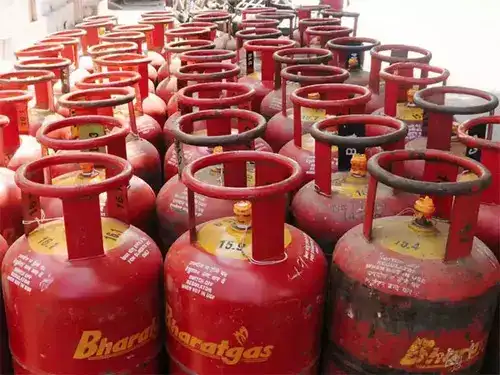
Authorities have urged nearly 60 lakh families living near PNG infrastructure to consider switching to piped natural gas for their kitchens. The move is aimed at reducing pressure on LPG cylinder demand while ensuring a steady cooking fuel supply for households.
Government Encourages Shift to PNG
Officials from the Ministry of Petroleum and Natural Gas have highlighted that households located near PNG pipelines can benefit from a more reliable gas supply by opting for piped cooking gas. PNG, or Piped Natural Gas, is delivered directly to homes through underground pipelines, eliminating the need to rely on cylinder refills.
At present, India has about 33.37 crore LPG consumers, while roughly 1.5 crore households use PNG connections. The government believes that encouraging more families to adopt PNG where available could help ease pressure on LPG distribution.
Warning Against Hoarding and Black Marketing
The government has also issued a strong warning against hoarding and black marketing of LPG cylinders. Authorities have asked state governments to closely monitor the situation and take strict action against anyone attempting to exploit the current concerns.
Senior officials from the petroleum and civil supplies departments have already held meetings with state authorities. States have been asked to intensify checks and ensure that cylinders reach genuine consumers without unnecessary disruptions.
Increase in Domestic LPG Production
To address concerns over supply, the government has stated that domestic LPG production has increased by around 30 percent since early March. Officials have emphasised that there is no shortage of cylinders and that panic buying is the main reason behind the sudden spike in demand.
Data shows that daily LPG refill bookings in India usually average around 5.57 million cylinders. However, bookings recently surged to about 7.57 million cylinders in a single day, indicating that many households are ordering extra cylinders due to fear of shortages.
Despite this surge in bookings, authorities say the country continues to supply around 5 million cylinders each day and stocks remain stable.
Priority Supply for Essential Sectors
The government has also decided to prioritise LPG supply for essential services. Domestic kitchens, hospitals and educational institutions are being given preference to ensure that basic needs are met.
To maintain this balance, the supply of commercial LPG used by hotels, restaurants and other businesses has been reduced for the time being. Around one fifth of the commercial gas supply has been allocated to state governments and union territories, allowing them to manage distribution based on local needs.
Global Tensions Affect Energy Supply
The current situation has been influenced by geopolitical tensions in West Asia. The Strait of Hormuz, a key global route for oil and gas shipments between Iran and Oman, has been affected by the conflict. Since a significant portion of the world’s energy supply passes through this route, disruptions can influence fuel markets worldwide.
Staying Calm and Using Fuel Responsibly
Officials have repeatedly advised consumers not to panic or stockpile LPG cylinders. According to the government, supplies remain steady and efforts are underway to maintain smooth distribution across the country.
For families living in areas with PNG pipelines, switching to piped gas could provide a convenient and reliable alternative. As India continues to expand its gas infrastructure, PNG is expected to play a bigger role in urban kitchens in the coming years.
Authorities have urged nearly 60 lakh families living near PNG infrastructure to consider switching to piped natural gas for their kitchens. The move is aimed at reducing pressure on LPG cylinder demand while ensuring a steady cooking fuel supply for households.
Government Encourages Shift to PNG
Officials from the Ministry of Petroleum and Natural Gas have highlighted that households located near PNG pipelines can benefit from a more reliable gas supply by opting for piped cooking gas. PNG, or Piped Natural Gas, is delivered directly to homes through underground pipelines, eliminating the need to rely on cylinder refills.At present, India has about 33.37 crore LPG consumers, while roughly 1.5 crore households use PNG connections. The government believes that encouraging more families to adopt PNG where available could help ease pressure on LPG distribution.
Warning Against Hoarding and Black Marketing
The government has also issued a strong warning against hoarding and black marketing of LPG cylinders. Authorities have asked state governments to closely monitor the situation and take strict action against anyone attempting to exploit the current concerns.Senior officials from the petroleum and civil supplies departments have already held meetings with state authorities. States have been asked to intensify checks and ensure that cylinders reach genuine consumers without unnecessary disruptions.
Increase in Domestic LPG Production
To address concerns over supply, the government has stated that domestic LPG production has increased by around 30 percent since early March. Officials have emphasised that there is no shortage of cylinders and that panic buying is the main reason behind the sudden spike in demand. Data shows that daily LPG refill bookings in India usually average around 5.57 million cylinders. However, bookings recently surged to about 7.57 million cylinders in a single day, indicating that many households are ordering extra cylinders due to fear of shortages.
Despite this surge in bookings, authorities say the country continues to supply around 5 million cylinders each day and stocks remain stable.
Priority Supply for Essential Sectors
The government has also decided to prioritise LPG supply for essential services. Domestic kitchens, hospitals and educational institutions are being given preference to ensure that basic needs are met. To maintain this balance, the supply of commercial LPG used by hotels, restaurants and other businesses has been reduced for the time being. Around one fifth of the commercial gas supply has been allocated to state governments and union territories, allowing them to manage distribution based on local needs.
Global Tensions Affect Energy Supply
The current situation has been influenced by geopolitical tensions in West Asia. The Strait of Hormuz, a key global route for oil and gas shipments between Iran and Oman, has been affected by the conflict. Since a significant portion of the world’s energy supply passes through this route, disruptions can influence fuel markets worldwide. Staying Calm and Using Fuel Responsibly
Officials have repeatedly advised consumers not to panic or stockpile LPG cylinders. According to the government, supplies remain steady and efforts are underway to maintain smooth distribution across the country. For families living in areas with PNG pipelines, switching to piped gas could provide a convenient and reliable alternative. As India continues to expand its gas infrastructure, PNG is expected to play a bigger role in urban kitchens in the coming years.
Next Story