
Centre Orders Mandatory Transition to PNG Wherever Available: Key Details Explained

In a significant move to strengthen India’s energy infrastructure, the central government has introduced a new policy that encourages households to switch from LPG cylinders to piped natural gas in areas where the network is already available. The decision comes at a time when global fuel supplies are facing uncertainty due to ongoing geopolitical tensions, prompting a stronger focus on fuel diversification and long-term energy security.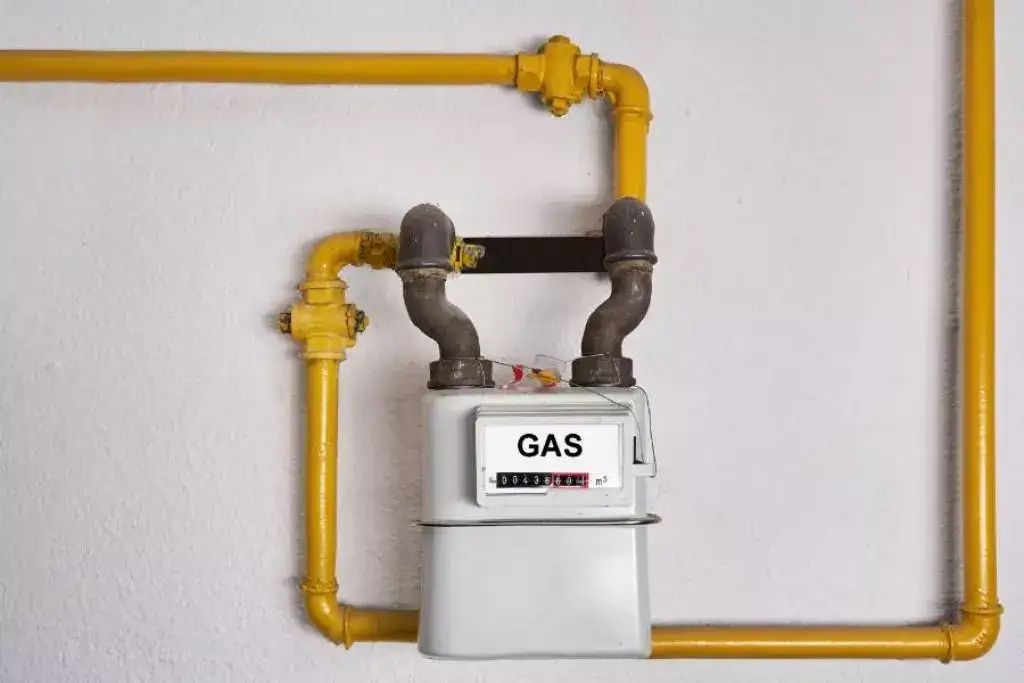
The policy makes it clear that households in areas with existing piped gas infrastructure will need to transition within a defined period. Once notified by authorised entities, residents will have three months to apply for and install a PNG connection. As stated in the order, "The LPG supply to such an address shall cease after three months from the date of the communication."
Why the Government Is Promoting Piped Gas
Piped natural gas is being positioned as a reliable and efficient alternative to LPG. Unlike cylinders, PNG offers a continuous supply through pipelines, removing the need for repeated bookings and refills. This not only improves convenience but also ensures a more stable energy source for daily use.
The move is also aimed at optimising the distribution of LPG across the country. By shifting households with pipeline access to PNG, the government plans to redirect LPG supplies to regions that still lack such infrastructure. This strategy supports better resource management while reducing pressure on existing fuel systems.
Faster Clearances and Simplified Rules
To speed up the expansion of gas networks, the new framework introduces time-bound approvals and simplified procedures. Authorities are required to grant permissions within specified timelines, and if they fail to do so, approvals will be treated as automatically granted.
In residential clusters, permissions for pipeline work must be provided within three working days. Once approvals are in place, last-mile connections are expected to be completed within 48 hours. The order also ensures that applications for pipeline connectivity are not rejected unnecessarily, making the process smoother for both consumers and service providers.
Clear Guidelines for Households
The policy places responsibility on households in notified areas to make the switch. Residents must apply for a PNG connection once they are informed that infrastructure is available in their locality. Failure to do so within the given timeframe will result in the discontinuation of LPG supply.
At the same time, the government emphasises that this transition is part of a broader plan to create a more balanced and resilient energy ecosystem across the country.
Strict Timelines for Operators
Pipeline operators are also expected to adhere to strict timelines. They must begin laying pipelines within four months of receiving the necessary approvals. Delays or non-compliance could lead to penalties, including the possibility of losing exclusivity rights in certain areas.
Oversight of the entire process has been assigned to the Petroleum and Natural Gas Regulatory Board, which will monitor approvals, track progress, and ensure that all entities follow the guidelines.
Flexibility in Special Cases
While the policy encourages a widespread shift to piped gas, it also recognises that certain locations may face technical challenges. In such cases, households can continue using LPG if an authorised entity issues a no-objection certificate.
As clarified in the order, "The supply of LPG to a household shall not cease, if the authorised entity issues a no-objection certificate (NOC) on the ground that it is technically infeasible to provide a piped natural gas connection or gas supply to such household," the order stated.
However, these exemptions are temporary. Once it becomes feasible to provide a piped connection, the certificate can be withdrawn, and the household may be required to transition.
What This Means Going Forward
For consumers, this shift could bring greater ease and consistency in everyday cooking needs. It also reflects a larger transformation in how energy is delivered and managed in urban and semi-urban areas.
As pipeline networks continue to expand, more households are expected to come under this system. The move signals a gradual but steady shift toward a more efficient and diversified energy future, where convenience and sustainability go hand in hand.
The policy makes it clear that households in areas with existing piped gas infrastructure will need to transition within a defined period. Once notified by authorised entities, residents will have three months to apply for and install a PNG connection. As stated in the order, "The LPG supply to such an address shall cease after three months from the date of the communication."
Why the Government Is Promoting Piped Gas
Piped natural gas is being positioned as a reliable and efficient alternative to LPG. Unlike cylinders, PNG offers a continuous supply through pipelines, removing the need for repeated bookings and refills. This not only improves convenience but also ensures a more stable energy source for daily use.The move is also aimed at optimising the distribution of LPG across the country. By shifting households with pipeline access to PNG, the government plans to redirect LPG supplies to regions that still lack such infrastructure. This strategy supports better resource management while reducing pressure on existing fuel systems.
Faster Clearances and Simplified Rules
To speed up the expansion of gas networks, the new framework introduces time-bound approvals and simplified procedures. Authorities are required to grant permissions within specified timelines, and if they fail to do so, approvals will be treated as automatically granted.In residential clusters, permissions for pipeline work must be provided within three working days. Once approvals are in place, last-mile connections are expected to be completed within 48 hours. The order also ensures that applications for pipeline connectivity are not rejected unnecessarily, making the process smoother for both consumers and service providers.
Clear Guidelines for Households
The policy places responsibility on households in notified areas to make the switch. Residents must apply for a PNG connection once they are informed that infrastructure is available in their locality. Failure to do so within the given timeframe will result in the discontinuation of LPG supply. At the same time, the government emphasises that this transition is part of a broader plan to create a more balanced and resilient energy ecosystem across the country.
Strict Timelines for Operators
Pipeline operators are also expected to adhere to strict timelines. They must begin laying pipelines within four months of receiving the necessary approvals. Delays or non-compliance could lead to penalties, including the possibility of losing exclusivity rights in certain areas.Oversight of the entire process has been assigned to the Petroleum and Natural Gas Regulatory Board, which will monitor approvals, track progress, and ensure that all entities follow the guidelines.
Flexibility in Special Cases
While the policy encourages a widespread shift to piped gas, it also recognises that certain locations may face technical challenges. In such cases, households can continue using LPG if an authorised entity issues a no-objection certificate. As clarified in the order, "The supply of LPG to a household shall not cease, if the authorised entity issues a no-objection certificate (NOC) on the ground that it is technically infeasible to provide a piped natural gas connection or gas supply to such household," the order stated.
However, these exemptions are temporary. Once it becomes feasible to provide a piped connection, the certificate can be withdrawn, and the household may be required to transition.
What This Means Going Forward
For consumers, this shift could bring greater ease and consistency in everyday cooking needs. It also reflects a larger transformation in how energy is delivered and managed in urban and semi-urban areas.As pipeline networks continue to expand, more households are expected to come under this system. The move signals a gradual but steady shift toward a more efficient and diversified energy future, where convenience and sustainability go hand in hand.
Next Story