
Middle-Class Budget 2026 Expectations: What Experts Want From Finance Minister Nirmala Sitharaman

The Union Budget 2026 is just days away, and the Indian middle class is looking for real financial relief as Finance Minister Nirmala Sitharaman prepares to present the Budget on February 1, 2026. While macroeconomic numbers are important, experts say the Budget 2026 expectations from the middle class focus heavily on easing everyday expenses and boosting long-term financial security.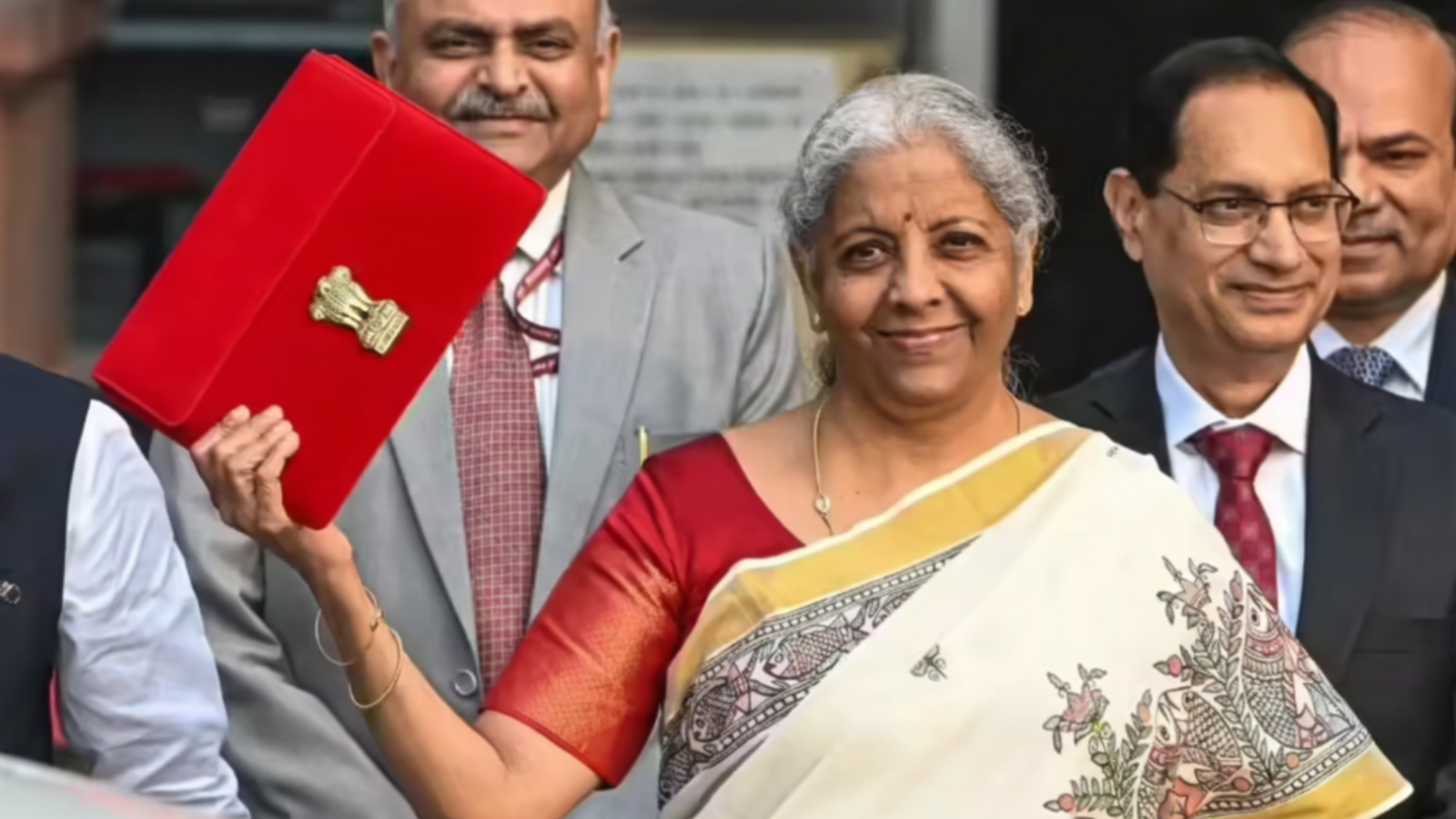
Here’s a clear look at what taxpayers, especially middle-class and salaried Indians, are hoping to see in this year’s Union Budget.
Experts like Rajarshi Dasgupta have pointed out that fuel prices remain a sensitive issue, affecting transport costs and the prices of goods across the board, and reducing excise duties on petrol and diesel is a top expectation.
Pensioners are also hoping for fairer tax treatment, with suggestions to align pension taxation with other fixed-income investments so retirees can keep more of what they’ve earned.
Experts want policies that make credit easier to access for small businesses and stronger social security measures, including health insurance and pension coverage, especially for informal and gig workers.
Education is another priority, with calls for greater investment in public schools, digital infrastructure, and more affordable higher education loans.
Experts suggest reforms that would make housing finance more accessible for mid-segment buyers and first-time homeowners.
This would make the process simpler and more transparent.
As India’s government prepares for the Budget 2026 presentation, the middle class is clearly looking for policy changes that directly affect daily expenses, savings, and long-term financial well-being. Whether these expectations become reality will unfold when Finance Minister Nirmala Sitharaman delivers her speech in Parliament on February 1, 2026.
Here’s a clear look at what taxpayers, especially middle-class and salaried Indians, are hoping to see in this year’s Union Budget.
1. Relief From Rising Prices
Rising costs for essentials like food, fuel, and cooking gas have put pressure on many household budgets. Middle-class families are hoping the government uses Budget 2026 measures to control inflation through better supply management, lower indirect taxes on essentials, and a stronger public distribution system.Experts like Rajarshi Dasgupta have pointed out that fuel prices remain a sensitive issue, affecting transport costs and the prices of goods across the board, and reducing excise duties on petrol and diesel is a top expectation.
2. Tax Relief for Salaried and Pension Earners
One major Budget 2026 expectation involves income tax relief. Many middle-class taxpayers want higher income tax exemption limits, bigger standard deductions, and rationalised tax slabs that reflect the rising cost of living.Pensioners are also hoping for fairer tax treatment, with suggestions to align pension taxation with other fixed-income investments so retirees can keep more of what they’ve earned.
3. Employment and Income Security
With unemployment and underemployment still concerns for many, the Budget 2026 job security expectations include increased investment in infrastructure, manufacturing, and MSMEs to support job creation.Experts want policies that make credit easier to access for small businesses and stronger social security measures, including health insurance and pension coverage, especially for informal and gig workers.
4. Affordable Healthcare and Education
Healthcare costs continue to push families into debt, and many hope the Budget 2026 allocations will boost funding for government hospitals, primary health centres, and affordable medicines.You may also like
 "Police mere puppets in Revanth Reddy's hands, harassing Opposition": KT Rama Rao after SIT refuses to examine KCR at Erravelli residence
- Karan Patel: There's a constant fear of being replaced
 Congress' Atul Londhe Patil questions rush to fill Maharashtra Dy Chief Minister's post
 Rani Mukerji joins hands with Delhi Police to raise awareness for girls, women safety
- Budget must prioritise NCLT infrastructure to reduce Insolvency and Bankruptcy Code delays: SAM's Rawat
Education is another priority, with calls for greater investment in public schools, digital infrastructure, and more affordable higher education loans.
5. Housing Affordability and Urban Infrastructure
For urban middle-class households, housing affordability expectations in Budget 2026 include easier access to home loans and stronger city infrastructure.Experts suggest reforms that would make housing finance more accessible for mid-segment buyers and first-time homeowners.
6. Better Tax Refund Tracking
Taxpayers faced delays in getting income tax refunds during the last financial year. A key Budget 2026 hope is a real-time refund tracking system on the taxpayer portal and interest on refunds that matches what the government charges for tax dues.This would make the process simpler and more transparent.
7. Simplifying TDS Rates
Tax Deducted at Source (TDS) compliance can be complex. Experts believe the Budget 2026 tax simplification expectations include reducing the number of TDS rates to make compliance easier and more straightforward for all taxpayers.8. Strengthening Retirement Planning Benefits
The National Pension System (NPS) remains an important retirement savings tool, and experts are hopeful the Budget will expand tax incentives, raise the additional deduction limit under Section 80CCD(1B), and simplify tax treatment for withdrawals.As India’s government prepares for the Budget 2026 presentation, the middle class is clearly looking for policy changes that directly affect daily expenses, savings, and long-term financial well-being. Whether these expectations become reality will unfold when Finance Minister Nirmala Sitharaman delivers her speech in Parliament on February 1, 2026.






More from our partners


Loving Newspoint? Download the app now
