
PAN Card Rules to Change from April 1, 2026: What You Must Know About the New Income Tax Updates

If you hold a PAN card, an important update is coming your way. The government is set to introduce new income tax rules from April 1, 2026, bringing major changes to how PAN cards are used in financial transactions. These changes will impact everyone, from salaried individuals to business owners, especially when dealing with cash deposits, property deals, vehicle purchases, and large payments.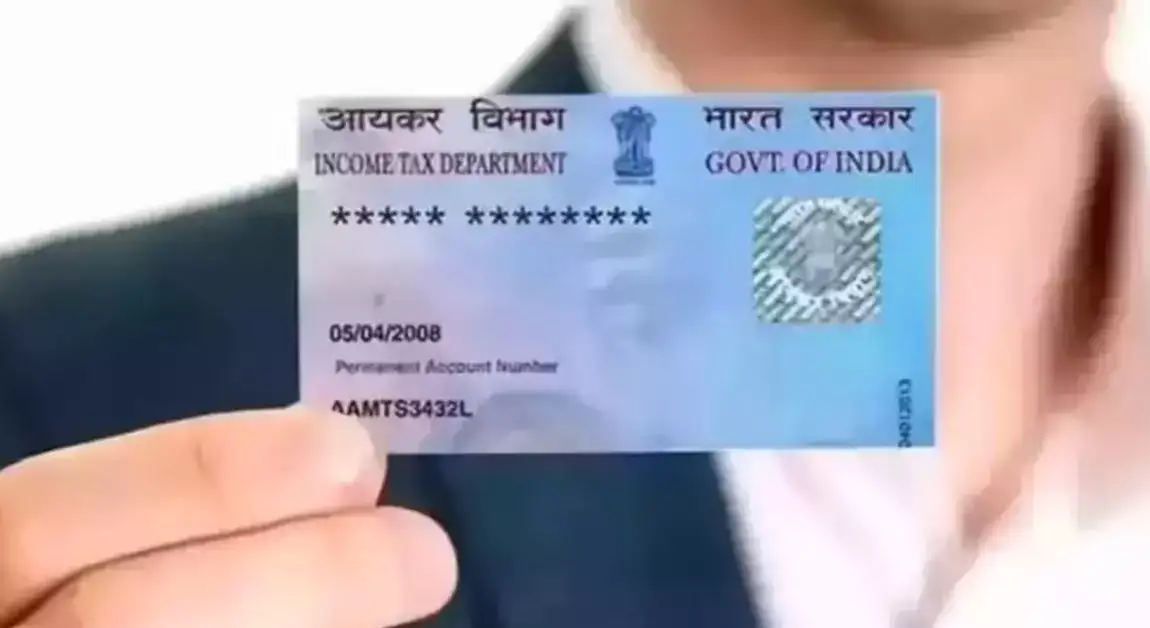
Here’s a simple breakdown of what’s changing and what it means for you.
Earlier, PAN details were needed for transactions above ₹50,000 in a single day. The new system reduces paperwork for small daily transactions and focuses on overall yearly cash activity.
With these changes, the government is pushing toward a more transparent and technology-driven tax system, making financial compliance more important than ever.
Here’s a simple breakdown of what’s changing and what it means for you.
Why Are PAN Card Rules Changing?
The government aims to make the tax system more advanced and transparent. The focus is shifting from monitoring small daily transactions to tracking high-value financial activities. The goal is to curb tax evasion, improve financial data security, and strengthen oversight of large transactions.New Rules for Cash Deposits and Withdrawals
Under the updated rules, a PAN card will be required if the total cash deposit or withdrawal reaches ₹10 lakh or more in a financial year.Earlier, PAN details were needed for transactions above ₹50,000 in a single day. The new system reduces paperwork for small daily transactions and focuses on overall yearly cash activity.
PAN Mandatory for Expensive Vehicle Purchases
Buying a vehicle worth more than ₹5 lakh, whether a car, SUV, or two-wheeler, will now require a PAN card. Previously, PAN was needed regardless of the vehicle’s price. This change offers some relief, especially for middle-class buyers purchasing lower-priced vehicles.New Limits for Hotel and Event Payments
If you spend more than ₹1 lakh at hotels, restaurants, banquet halls, convention centers, or event management companies, you must provide your PAN. The earlier limit was ₹50,000, meaning PAN will now be required only for high-value expenses.Updated PAN Requirement in Property Transactions
For property deals worth more than ₹20 lakh, including purchase, sale, gift, or joint development agreements, PAN submission will be mandatory. The previous limit was ₹10 lakh. This move strengthens monitoring of large real estate transactions.PAN Rules Tightened for Insurance
The new rules require a PAN card when starting any account-based relationship with an insurance company. Earlier, PAN was only needed if the annual life insurance premium exceeded ₹50,000. Now, it will be mandatory from the beginning.What It Means for the Public
The changes aim to make small transactions easier while ensuring strict monitoring of large financial activities. The tax system is expected to become more transparent, and high-value spending will require proper documentation.Who Benefits the Most?
Salaried individuals, middle-class consumers, and digital payment users may find the new rules more convenient. However, those who rely heavily on cash transactions or conduct large deals without a PAN may face stricter scrutiny.What You Should Do Now
Make sure your PAN card is active and linked with Aadhaar. Check transaction limits before making major purchases, prefer digital payments where possible, and maintain clear financial records to avoid future complications.With these changes, the government is pushing toward a more transparent and technology-driven tax system, making financial compliance more important than ever.
Next Story