
PM RAHAT Yojana Brings Cashless Treatment Up To ₹1.5 Lakh For Road Accident Victims

PM RAHAT Yojana Promises Assured Hospitalisation Support During Golden Hour: The central government has introduced a new identity for its cashless treatment scheme aimed at helping road accident victims . The Ministry of Road Transport and Highways has officially renamed the earlier Cashless Treatment of Road Accident Victims Scheme as the Prime Minister Road Accident Victims Hospitalisation and Assured Treatment scheme, now known as PM RAHAT Yojana.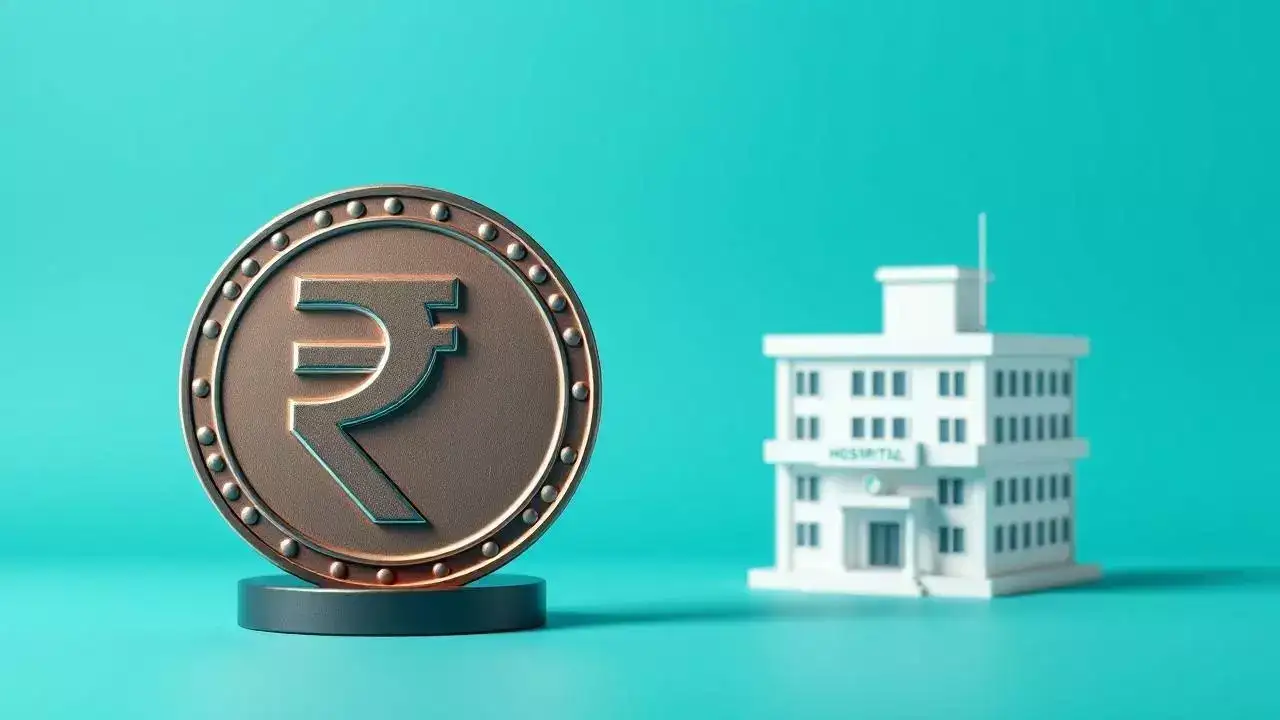
The change has been notified through an official order and comes under amendments made to the Motor Vehicles Act 1988 . While the name has been updated, the core objective of the scheme remains unchanged, providing immediate and cashless medical assistance to those injured in road accidents.
The aim is straightforward. Any individual injured in a road accident should receive urgent hospital treatment without worrying about upfront payments. By removing financial barriers at a critical time, the scheme ensures that families are not burdened with sudden medical expenses during emergencies.
Under this cashless treatment scheme, injured persons can receive medical care worth up to ₹1.5 lakh. The coverage applies for a period of up to seven days from the date of the accident. The intention is to cover the crucial early phase of treatment, when medical intervention is most urgent and expensive.
Keeping this in mind, the scheme prioritises rapid emergency response and ambulance support. Timely hospitalisation during the golden hour emergency care window can often make the difference between life and death.
This streamlined response mechanism is designed to minimise delays and ensure that road accident victims receive prompt medical attention. Quick coordination between emergency services and hospitals plays a vital role in the scheme’s success.
Before treatment is processed under the scheme, police verification of the accident is required. The entire process operates through a digital platform to maintain transparency and efficiency.
If beneficiaries or their families face any issues, they may approach the District Road Safety Committee. Chaired by the district collector or magistrate, the committee is responsible for resolving complaints and ensuring the smooth implementation of the PM RAHAT Yojana.
By strengthening financial protection and emergency medical response, the scheme seeks to make India’s roads safer and ensure that victims receive timely, life saving care without added financial distress.
The change has been notified through an official order and comes under amendments made to the Motor Vehicles Act 1988 . While the name has been updated, the core objective of the scheme remains unchanged, providing immediate and cashless medical assistance to those injured in road accidents.
Objective Remains Focused On Immediate Medical Support
The government has clarified that this is largely a renaming exercise, and the fundamental purpose of the policy continues to be the same. The revised provision will be known as the Cashless Treatment of Road Accident Victims Amendment Scheme 2026.The aim is straightforward. Any individual injured in a road accident should receive urgent hospital treatment without worrying about upfront payments. By removing financial barriers at a critical time, the scheme ensures that families are not burdened with sudden medical expenses during emergencies.
Who Can Benefit From PM RAHAT Yojana
The scheme is not restricted to accidents occurring on national highways. Whether an incident takes place on a state highway, a city road or even within a local street, the victim is eligible for benefits under PM RAHAT Yojana.Under this cashless treatment scheme, injured persons can receive medical care worth up to ₹1.5 lakh. The coverage applies for a period of up to seven days from the date of the accident. The intention is to cover the crucial early phase of treatment, when medical intervention is most urgent and expensive.
Importance Of The Golden Hour
Authorities have emphasised the importance of the first hour after a road accident, commonly referred to as the golden hour. Medical experts agree that if a seriously injured person is transported to a hospital within this period, the chances of survival increase significantly.Keeping this in mind, the scheme prioritises rapid emergency response and ambulance support. Timely hospitalisation during the golden hour emergency care window can often make the difference between life and death.
How To Access Emergency Assistance
In the event of a road accident, anyone can dial the national emergency helpline number 112. The call is routed to the Emergency Response Support System, which coordinates ambulance services and directs the victim to the nearest empanelled hospital.This streamlined response mechanism is designed to minimise delays and ensure that road accident victims receive prompt medical attention. Quick coordination between emergency services and hospitals plays a vital role in the scheme’s success.
What Treatment Is Covered
The scheme provides cashless medical assistance up to ₹1.5 lakh. To stabilise the patient, defined treatment timelines have been introduced. In general cases, stabilisation care may be provided for up to 24 hours. If the patient’s condition is critical and life threatening, primary and emergency treatment can be extended up to 48 hours.Before treatment is processed under the scheme, police verification of the accident is required. The entire process operates through a digital platform to maintain transparency and efficiency.
Claim Settlement And Grievance Redressal
From accident reporting to hospital payment, the procedure is handled online. Authorities use an electronic Detailed Accident Report along with a Transaction Management System 2.0 to process claims. Police are required to confirm the accident within 24 to 48 hours. Once verified, payment is released directly to the hospital from the Motor Vehicle Accident Fund .If beneficiaries or their families face any issues, they may approach the District Road Safety Committee. Chaired by the district collector or magistrate, the committee is responsible for resolving complaints and ensuring the smooth implementation of the PM RAHAT Yojana.
By strengthening financial protection and emergency medical response, the scheme seeks to make India’s roads safer and ensure that victims receive timely, life saving care without added financial distress.