
Post Office Savings Scheme 2026: A Safe And Reliable Investment Option For Middle-class Families

Post Office Savings Scheme 2026 : Secure Returns And Stability For Middle-Class Households: The Post Office Savings Scheme 2026 has once again captured national attention as total public deposits in post office savings accounts have crossed an impressive ₹22 lakh crore. This milestone underlines the deep-rooted trust that millions of Indians continue to place in the postal network, even in an age dominated by digital banking and private financial institutions.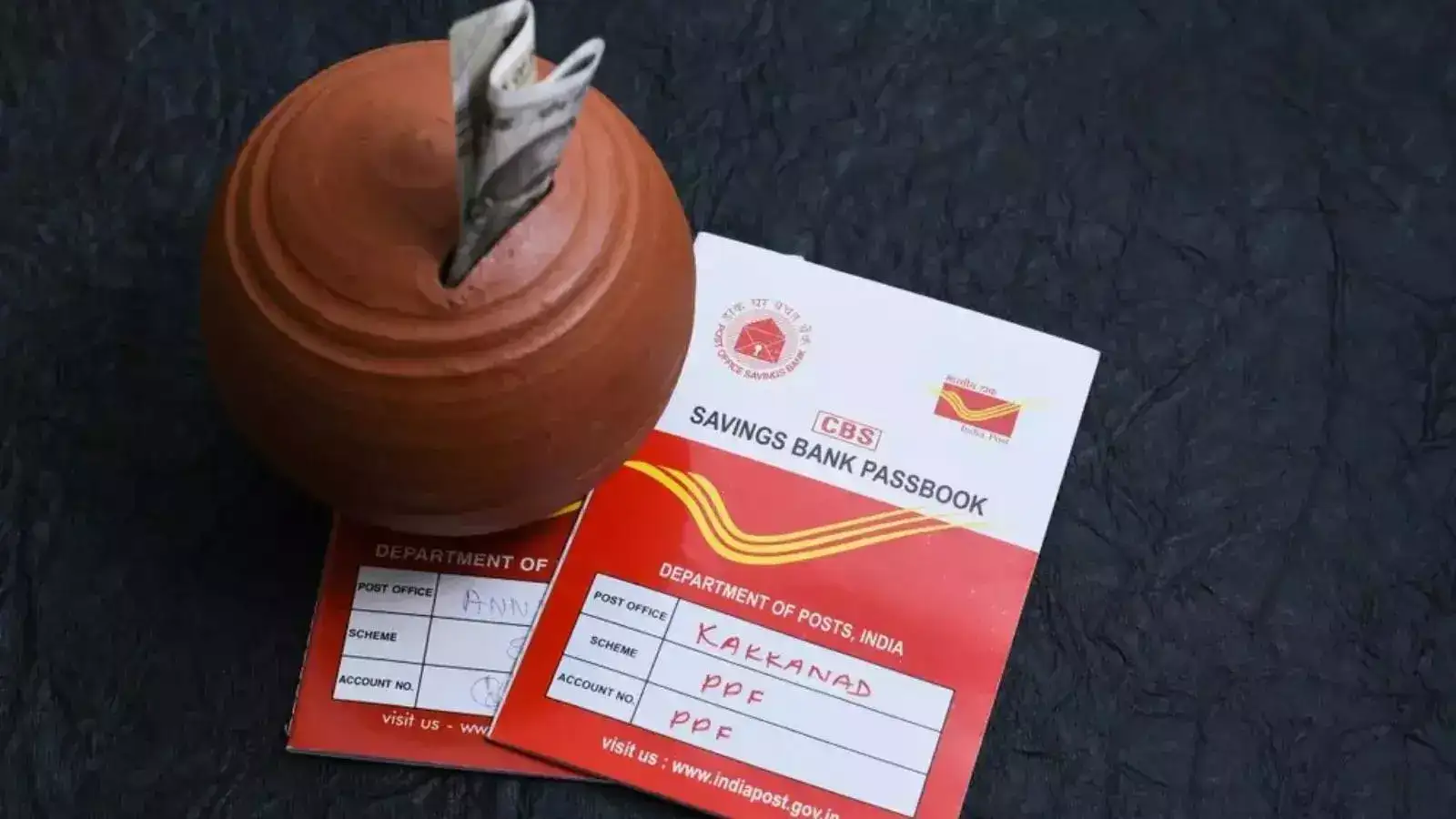
Across rural villages and major cities alike, the post office remains a dependable financial anchor. For middle-class families in particular, it represents stability in uncertain times. The appeal lies largely in the sovereign guarantee offered by the government, ensuring that deposits remain secure regardless of market volatility. For households seeking a safe investment option without exposure to risk-heavy instruments, government savings schemes operated by the postal department continue to stand out.
One of its biggest strengths is physical presence. With branches spread across the country, including the most remote corners, post offices provide financial inclusion at scale. For many families, especially in semi-urban and rural regions, it remains the most accessible platform for structured savings and long-term planning.
The Post Office Savings Scheme 2026 continues to attract investors looking for predictable returns and low-risk financial products. Unlike market-linked instruments, these schemes offer assured interest, making them a preferred middle-class investment plan.
The scheme offers competitive interest rates compared to many other traditional savings products, while retaining the safety of government backing. For parents planning for higher education or marriage expenses, it provides a disciplined savings structure combined with long-term benefits. Its growing success reflects how families are increasingly focusing on structured and secure financial planning.
In difficult terrains such as Jammu and Kashmir, Uttarakhand and Himachal Pradesh, innovative delivery methods including drone-based services are being introduced to ensure timely communication and logistics. Continuous monitoring and digitisation efforts have reduced non-transactional branches to a negligible number, making the network more productive than ever before.
This technological evolution reinforces the confidence of depositors, proving that post office deposits in India are not just secure but also increasingly convenient.
However, there are signs of gradual improvement. Revenue generation is slowly rising as services expand and modernisation enhances efficiency. The government continues to view the postal system as a crucial pillar of financial inclusion and rural connectivity.
For middle-class families seeking stability amid economic uncertainty, the Post Office Savings Scheme 2026 continues to offer reassurance. Backed by government guarantee, supported by technological upgrades and trusted across generations, it remains one of the most dependable avenues for disciplined savings in India.
Across rural villages and major cities alike, the post office remains a dependable financial anchor. For middle-class families in particular, it represents stability in uncertain times. The appeal lies largely in the sovereign guarantee offered by the government, ensuring that deposits remain secure regardless of market volatility. For households seeking a safe investment option without exposure to risk-heavy instruments, government savings schemes operated by the postal department continue to stand out.
Massive Reach With 380 Million Active Accounts
Recent figures show that nearly 380 million post office savings accounts are currently active nationwide. This extraordinary number demonstrates the enduring credibility of the institution. While banking apps and online platforms have grown rapidly, the post office’s simple procedures and widespread accessibility keep it relevant.One of its biggest strengths is physical presence. With branches spread across the country, including the most remote corners, post offices provide financial inclusion at scale. For many families, especially in semi-urban and rural regions, it remains the most accessible platform for structured savings and long-term planning.
The Post Office Savings Scheme 2026 continues to attract investors looking for predictable returns and low-risk financial products. Unlike market-linked instruments, these schemes offer assured interest, making them a preferred middle-class investment plan.
Sukanya Samriddhi Yojana ’s Continued Momentum
Among the various government savings schemes, the Sukanya Samriddhi Yojana has witnessed remarkable participation. Designed to secure the financial future of daughters, this scheme has resonated strongly with Indian families. Around 38 million accounts have been opened so far, with total deposits reaching approximately ₹2.27 lakh crore.The scheme offers competitive interest rates compared to many other traditional savings products, while retaining the safety of government backing. For parents planning for higher education or marriage expenses, it provides a disciplined savings structure combined with long-term benefits. Its growing success reflects how families are increasingly focusing on structured and secure financial planning.
Modern Technology Reshapes The Postal Network
Far from being outdated, India’s postal system is undergoing rapid transformation. With nearly 1.65 lakh post offices across the country, the network is being upgraded with modern technology to improve efficiency and transparency. The introduction of RFID systems, barcodes and QR codes has significantly improved parcel tracking and service delivery.In difficult terrains such as Jammu and Kashmir, Uttarakhand and Himachal Pradesh, innovative delivery methods including drone-based services are being introduced to ensure timely communication and logistics. Continuous monitoring and digitisation efforts have reduced non-transactional branches to a negligible number, making the network more productive than ever before.
This technological evolution reinforces the confidence of depositors, proving that post office deposits in India are not just secure but also increasingly convenient.
Financial Challenges Remain
Despite its scale and popularity, the postal department faces financial pressure. Annual expenditure stands at around ₹35,000 crore, while income remains close to ₹13,000 crore. In several states, expenses significantly exceed revenue, highlighting the structural challenges of maintaining such a vast public service network.However, there are signs of gradual improvement. Revenue generation is slowly rising as services expand and modernisation enhances efficiency. The government continues to view the postal system as a crucial pillar of financial inclusion and rural connectivity.
For middle-class families seeking stability amid economic uncertainty, the Post Office Savings Scheme 2026 continues to offer reassurance. Backed by government guarantee, supported by technological upgrades and trusted across generations, it remains one of the most dependable avenues for disciplined savings in India.