
PPF Tip: How to Earn One Extra Month of Interest Every Year

Most PPF investors pay close attention to interest rates and annual limits, but few realise that timing alone can quietly boost returns. A small rule in how PPF interest is calculated allows disciplined investors to earn an extra month of interest every year without investing any additional money.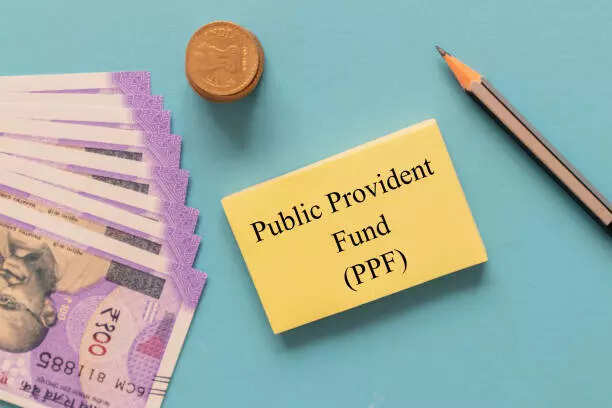
PPF interest may be credited only once annually, but it is calculated every month. The government calculates interest based on the lowest balance maintained in your PPF account between the 5th day and the last day of each month. This technical detail creates a clear advantage for disciplined investors who understand how the system works.
If your contribution is credited on or before the 5th, it qualifies for interest for the entire month. But if the money enters your account on the 6th or later, you lose interest for that month completely. Even a one-day delay can mean missing out on a full month’s earnings.
The ‘Extra Month’ Interest Strategy Explained
The strategy itself is simple: make your PPF deposit before the 5th of the month, ideally on the 1st. When you do this, your money starts earning interest immediately for that month. Delay the deposit beyond the 5th, and the same amount will begin earning interest only from the next month.
Follow this timing rule consistently and you effectively earn interest for 12 months instead of 11 every year. Over the full 15-year PPF tenure, this difference becomes meaningful especially for investors who contribute the maximum permissible amount.
This benefit is particularly significant for investors who make a lump-sum deposit once a year. For monthly contributors, the same interest rule applies to every single deposit, making consistent timing even more crucial.
The safest habit is to treat the 1st of the month as your default PPF investment date. Banks may take one or two working days to credit deposits, especially for offline transactions. Even online transfers can face delays during holidays or system maintenance.
For annual investors, depositing in early April is ideal, as it ensures your money earns interest for all 12 months of the financial year. Monthly investors should consider setting reminders or automating transfers at the start of every month.
A Small Discipline That Pays Off Big Over Time
PPF is not about quick gains. It is a product built on patience, discipline, and long-term planning. This simple timing rule doesn’t change your tax benefits, lock-in period, or risk exposure. It simply ensures that your savings work as efficiently as possible, month after month.
Over long investment horizons, small habits like investing before the 5th often make the difference between average outcomes and optimal results without requiring any extra effort or risk.
PPF interest may be credited only once annually, but it is calculated every month. The government calculates interest based on the lowest balance maintained in your PPF account between the 5th day and the last day of each month. This technical detail creates a clear advantage for disciplined investors who understand how the system works.
If your contribution is credited on or before the 5th, it qualifies for interest for the entire month. But if the money enters your account on the 6th or later, you lose interest for that month completely. Even a one-day delay can mean missing out on a full month’s earnings.
The ‘Extra Month’ Interest Strategy Explained
The strategy itself is simple: make your PPF deposit before the 5th of the month, ideally on the 1st. When you do this, your money starts earning interest immediately for that month. Delay the deposit beyond the 5th, and the same amount will begin earning interest only from the next month.Follow this timing rule consistently and you effectively earn interest for 12 months instead of 11 every year. Over the full 15-year PPF tenure, this difference becomes meaningful especially for investors who contribute the maximum permissible amount.
Does Investment Timing Actually Impact Returns?
At current PPF interest rates , losing one month of interest in the first year may not seem like a major setback. But PPF is designed for the long term, and compounding quietly amplifies small advantages over time. When the timing rule is followed every year, the cumulative gain can run into tens of thousands of rupees by maturity.This benefit is particularly significant for investors who make a lump-sum deposit once a year. For monthly contributors, the same interest rule applies to every single deposit, making consistent timing even more crucial.
Best Way to Put This Rule Into Practice
You may also like
- Indore needs to speak out louder against contaminated water: Jitu Patwari
- ICC Men's T20 World Cup 2026 Schedule: Full match list, dates, venues & timings
- Squash: Anahat wins maiden PSA Bronze-level title in Washington
- Parliament Budget Session: Rahul Gandhi, Rajnath Singh clash in Lok Sabha over Gen Naravane's unpublished memoir
- Tips Music Ltd. Launches Lucky Ali's New Romantic Indi Pop Single “Tu Jaane Hai Kahan”
The safest habit is to treat the 1st of the month as your default PPF investment date. Banks may take one or two working days to credit deposits, especially for offline transactions. Even online transfers can face delays during holidays or system maintenance.
For annual investors, depositing in early April is ideal, as it ensures your money earns interest for all 12 months of the financial year. Monthly investors should consider setting reminders or automating transfers at the start of every month.
A Small Discipline That Pays Off Big Over Time
PPF is not about quick gains. It is a product built on patience, discipline, and long-term planning. This simple timing rule doesn’t change your tax benefits, lock-in period, or risk exposure. It simply ensures that your savings work as efficiently as possible, month after month. Over long investment horizons, small habits like investing before the 5th often make the difference between average outcomes and optimal results without requiring any extra effort or risk.






More from our partners


Loving Newspoint? Download the app now
