
RBI Update on ₹2000 Notes: What to Do If You Still Have Them?

The ₹2,000 note is almost history. Nearly three years after it was withdrawn from circulation, the Reserve Bank of India (RBI) has shared a fresh update and the numbers show that the phase-out is nearly complete.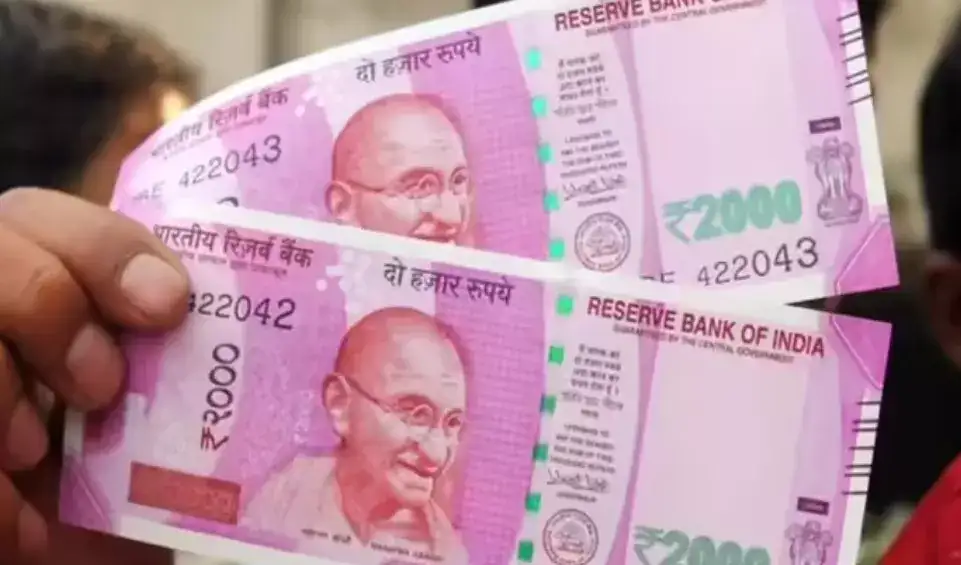
At the time of the announcement, ₹3.56 lakh crore worth of ₹2,000 notes were circulating across India.
The total value of ₹2,000 notes still in circulation has now dropped sharply to just ₹5,551 crore. This means only a small portion of the high-value currency is yet to be deposited or exchanged.
In simple terms, almost the entire stock of ₹2,000 notes has been accounted for.
You can visit any of the RBI’s 19 Issue Offices located in cities including Ahmedabad, Bengaluru, Bhopal, Chandigarh, Chennai, Guwahati, Hyderabad, Jaipur, Jammu, Kanpur, Kolkata, Lucknow, Mumbai, Nagpur, New Delhi, Patna, Thiruvananthapuram, Belapur, and Bhubaneswar.
These offices provide direct exchange facilities for individuals who wish to return their notes.
This facility ensures that even people in remote areas can easily return the discontinued notes.
While only a small fraction remains with the public, the RBI’s ongoing exchange facility ensures that people still holding the note have a clear and simple path to return it.
If you happen to find one in an old wallet or cupboard, it’s best to act soon and make use of the available options.
How It All Began
On May 19, 2023, the RBI announced the discontinuation of the ₹2,000 denomination note. While the note remained legal tender, people were given a limited window to deposit or exchange it at banks. The move was part of a currency management exercise aimed at streamlining high-value notes in circulation.At the time of the announcement, ₹3.56 lakh crore worth of ₹2,000 notes were circulating across India.
What the Latest Data Says
According to RBI’s latest figures as of February 28, 2026, a massive 98.44% of these notes have already returned to the banking system.The total value of ₹2,000 notes still in circulation has now dropped sharply to just ₹5,551 crore. This means only a small portion of the high-value currency is yet to be deposited or exchanged.
You may also like
- After Pentagon, OpenAI might sign a contract with NATO
- Universal Sompo General Insurance Drives Green Mobility with 'One Policy, One Tree' Initiative
- Ahmedabad University Reimagines the MBA for New-Age Roles in a Connected Global Economy
- Japan, India in talks to jointly develop Rajasthan rare earth deposits
- Wipro stocks hit 52-week low today: Here we decode why
In simple terms, almost the entire stock of ₹2,000 notes has been accounted for.
What If You Still Have ₹2,000 Notes?
If you still have ₹2,000 notes at home, there’s no need to panic. The RBI continues to offer exchange and deposit facilities.You can visit any of the RBI’s 19 Issue Offices located in cities including Ahmedabad, Bengaluru, Bhopal, Chandigarh, Chennai, Guwahati, Hyderabad, Jaipur, Jammu, Kanpur, Kolkata, Lucknow, Mumbai, Nagpur, New Delhi, Patna, Thiruvananthapuram, Belapur, and Bhubaneswar.
These offices provide direct exchange facilities for individuals who wish to return their notes.
Option to Send Notes via Post
For those unable to visit in person, there’s a convenient alternative. You can send your ₹2,000 notes through any post office to an RBI Issue Office using India Post services. After due verification, the equivalent amount will be credited directly to your bank account.This facility ensures that even people in remote areas can easily return the discontinued notes.
A Near-Complete Exit
With more than 98% of the currency already back in the system, the ₹2,000 note has effectively exited everyday circulation. The sharp fall from ₹3.56 lakh crore to ₹5,551 crore highlights how quickly the banking system absorbed the withdrawn denomination.While only a small fraction remains with the public, the RBI’s ongoing exchange facility ensures that people still holding the note have a clear and simple path to return it.
If you happen to find one in an old wallet or cupboard, it’s best to act soon and make use of the available options.






More from our partners


Loving Newspoint? Download the app now
