
SBI ATM Fee Update Explained How Savings & Salary Customers Are Affected

India’s largest lender has updated its ATM service charges, impacting how customers use machines outside its own network. The latest revision by State Bank of India comes amid changes in interchange fees, prompting a review of transaction costs. While some account holders will see higher charges after exhausting free limits, others remain unaffected. According to banking experts, understanding these revised rules is essential for customers to avoid unexpected fees and manage routine banking transactions more efficiently.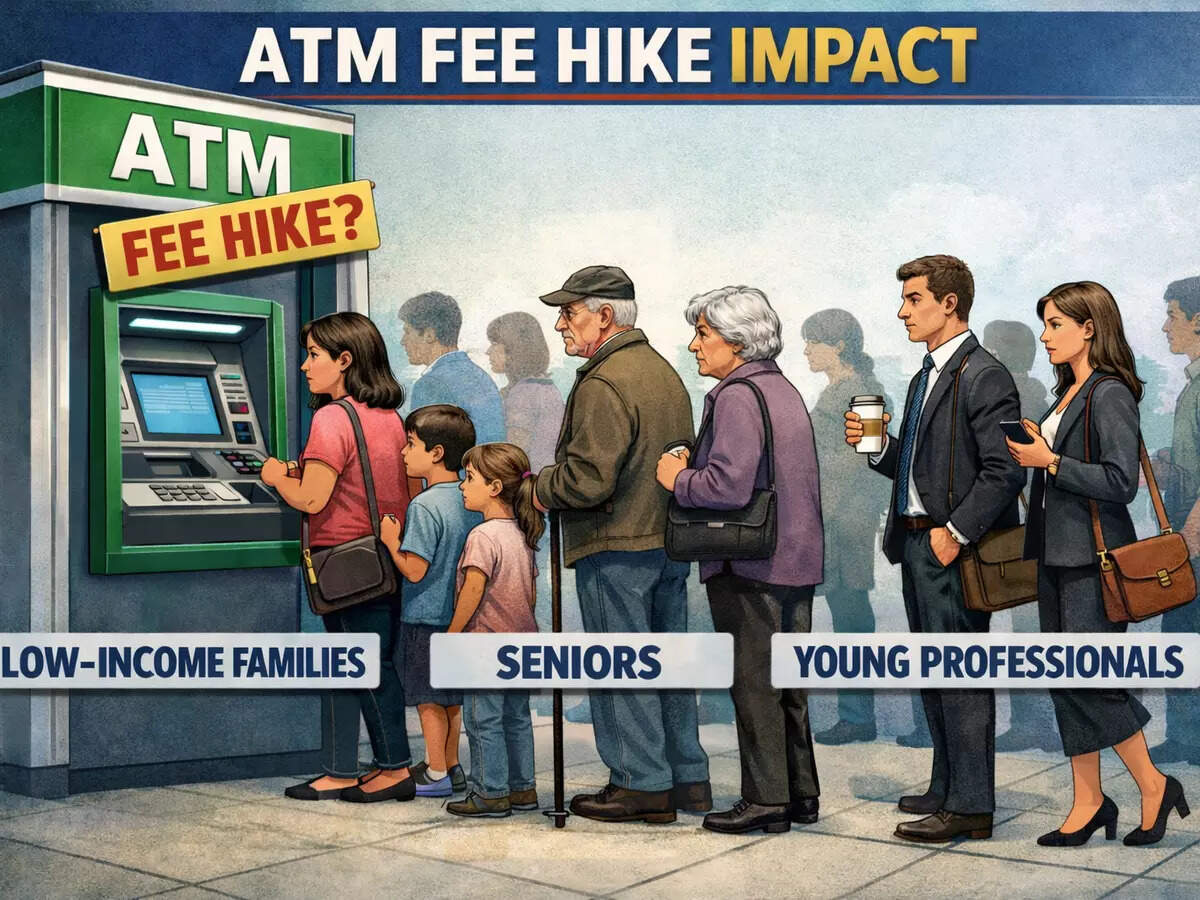
Disclaimer: This article is for information purposes only. Banking charges and policies are subject to change based on regulatory guidelines and bank decisions. Customers are advised to check official bank communications or consult banking representatives for the latest updates before making financial decisions.
Why SBI Revised Its ATM Charges
According to experts tracking banking policy trends, ATM transaction costs are closely linked to interchange fees paid between banks. SBI last revised its ATM charges earlier in 2025. However, after an increase in interchange fees, the bank reassessed the cost of offering ATM and Automated Deposit cum Withdrawal Machine services. This review led to revised charges, which came into force from 1 December, 2025. The objective, experts note, is to balance operational costs while continuing to offer a defined number of free transactions.Free Transaction Limits Remain Unchanged For Savings Accounts
For regular SBI savings account holders, the number of free monthly transactions at non-SBI ATMs remains the same. Customers can still carry out five free transactions every month at other bank ATMs. These include both financial transactions such as cash withdrawals and non-financial activities like balance enquiries. Experts highlight that this continuity provides relief to customers who rely on occasional use of other bank ATMs.Higher Charges After Free Limit Is Exhausted
Once the free transaction limit is crossed, customers will face higher charges. According to the revised structure, each cash withdrawal from a non-SBI ATM beyond the free limit now attracts a charge of Rs 23 plus applicable GST. Earlier, this fee was Rs 21 plus GST. Non-financial transactions, such as checking account balance or requesting a mini statement, now cost Rs 11 plus GST, compared to the earlier charge of Rs 10 plus GST. Experts suggest limiting such enquiries to mobile or internet banking to reduce costs.Salary Account Holders Face New Restrictions
One of the most notable changes applies to SBI salary package savings accounts. Previously, these account holders enjoyed unlimited free transactions at non-SBI ATMs. Under the revised rules, free transactions are now capped at 10 per month across all locations. According to experts, this change aligns salary accounts more closely with standard savings account structures while still offering a higher free limit than regular accounts.Charges Applicable After Salary Account Limits
Once salary account holders exceed the monthly free limit, the same revised charges apply. Cash withdrawals beyond the limit will cost Rs 23 plus GST per transaction, while non-financial transactions will be charged at Rs 11 plus GST. Experts advise salary account customers to plan withdrawals in advance and consolidate transactions to avoid repeated charges.No Change For Basic Savings Account Customers
Customers holding Basic Saving Bank Deposit accounts will not see any changes in ATM charges. SBI has confirmed that the existing benefits and fee structure for these accounts remain intact. According to experts, this ensures continued financial inclusion by protecting low-income and zero-balance account holders from additional banking costs.SBI ATM Users Continue To Enjoy Free Services
Customers using SBI debit cards at SBI ATMs remain unaffected by the revised charges. Transactions carried out at SBI’s own ATMs continue to be free, as per existing guidelines. Experts point out that SBI’s extensive ATM network across urban and rural areas helps customers minimise reliance on other bank ATMs.What This Means For Everyday Banking Habits
According to banking experts, the revised charges highlight the importance of optimising ATM usage. Customers are encouraged to rely more on digital banking platforms for non-cash services and to withdraw cash strategically rather than through multiple small transactions. This approach can help avoid unnecessary fees while maintaining convenience.Understanding Interchange Fees And Their Impact
Interchange fees are charges paid by one bank to another when customers use ATMs outside their home bank network. Experts explain that when these fees rise, banks often review customer-facing charges to offset higher operational expenses. SBI’s latest revision reflects this broader industry trend rather than an isolated policy change.Staying Informed Helps Avoid Extra Costs
Experts emphasise that being aware of revised banking charges is crucial for effective money management. By understanding free limits, applicable fees and alternative banking channels, customers can continue to use ATM services efficiently without facing unexpected deductions.Disclaimer: This article is for information purposes only. Banking charges and policies are subject to change based on regulatory guidelines and bank decisions. Customers are advised to check official bank communications or consult banking representatives for the latest updates before making financial decisions.
Next Story