SBI Has Discontinued This Key Service - Here’s How It Will Affect You

The final month of the year has arrived with some important banking updates, especially for those who use services from the State Bank of India (SBI). Starting December 1, SBI has officially discontinued its mCASH service, a move that will impact customers who relied on the older instant money transfer option.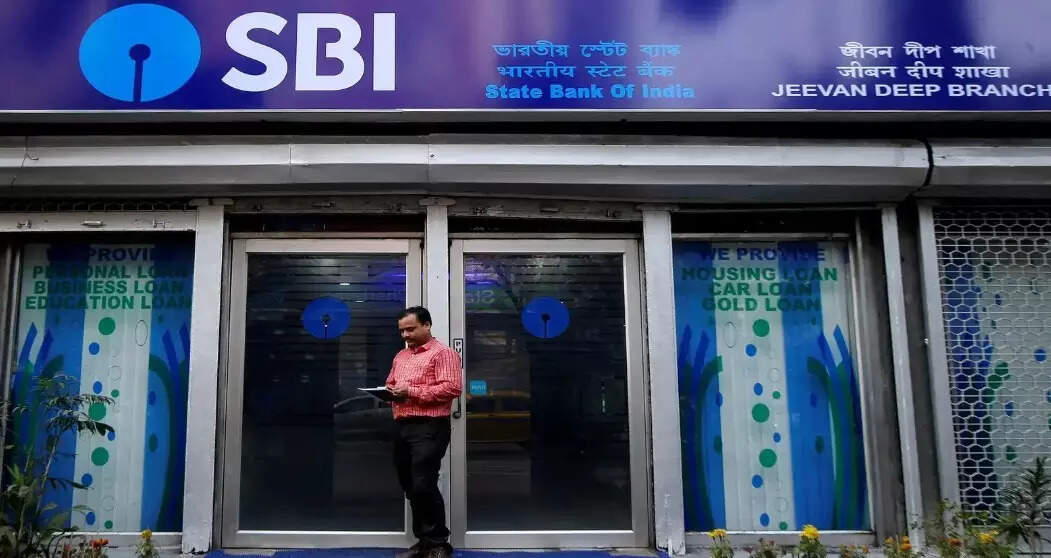
SBI confirmed that users will no longer be able to receive or claim payments sent through mCASH links. The bank issued a public advisory urging customers to switch to more secure and advanced payment methods such as UPI, IMPS, NEFT, and RTGS, which now handle the majority of digital transactions across India.
With this change, SBI is streamlining its digital ecosystem phasing out older systems and embracing faster, safer, and more modern banking solutions for everyday financial needs.
You may also like
- Kerala: Congress expels Palakkad MLA Rahul Mamkootathil, court rejects anticipatory bail in rape case
- Madras High Court grants injunction against release of Akhanda 2 in favour of Eros International
- Delhi Airport sees major disruptions: 34 departures, 37 arrivals cancelled as of 4 PM
 S&P upgrades India's insolvency regime on stronger creditor protection
- Putin-Modi meet: How India became Russia's lifeline - but on its own terms
SBI confirmed that users will no longer be able to receive or claim payments sent through mCASH links. The bank issued a public advisory urging customers to switch to more secure and advanced payment methods such as UPI, IMPS, NEFT, and RTGS, which now handle the majority of digital transactions across India.
What Exactly Was SBI mCASH?
mCASH was one of SBI’s early instant money transfer solutions. Unlike traditional methods, it did not require the recipient’s account number or IFSC code.- Users simply entered the recipient’s mobile number or email
- Paid a nominal fee of ₹2.50 per transaction
- And the recipient received a link via SMS or email along with an 8-digit passcode
Why Did SBI Shut Down mCASH?
According to SBI, shutting down mCASH was a practical decision driven by two major factors:- UPI’s dominance: Today, almost everyone uses UPI for fast, free, and secure transactions. mCASH simply couldn’t keep up with the speed and convenience that UPI offers.
- Outdated technology: The mCASH system was built on an older framework. Compared to modern solutions like UPI and IMPS, it is slower, less flexible, and no longer efficient.
What Should Customers Do Now?
SBI has recommended switching to digital payment options that offer better safety, speed, and reliability. Whether you need instant transfers, scheduled payments, or large-value transactions, platforms like UPI, IMPS, NEFT, and RTGS cover all use cases.With this change, SBI is streamlining its digital ecosystem phasing out older systems and embracing faster, safer, and more modern banking solutions for everyday financial needs.






More from our partners


Loving Newspoint? Download the app now
