
Struggling To Get Change For ₹500 Notes? ATMs May Soon Dispense ₹10, ₹20 And ₹50 Cash

Tired Of No Change For ₹500? New ATMs May Dispense ₹10, ₹20 And ₹50 Notes: Digital payments have transformed everyday transactions in India, making it easier for people to pay with a quick scan or tap. However, this shift has created a new challenge in many markets and neighbourhood shops. Even when customers pay with cash, shopkeepers often struggle to return the correct change, especially when someone offers a ₹500 note for a small purchase. To address this common inconvenience, the government has announced plans to improve access to small denomination notes through ATMs.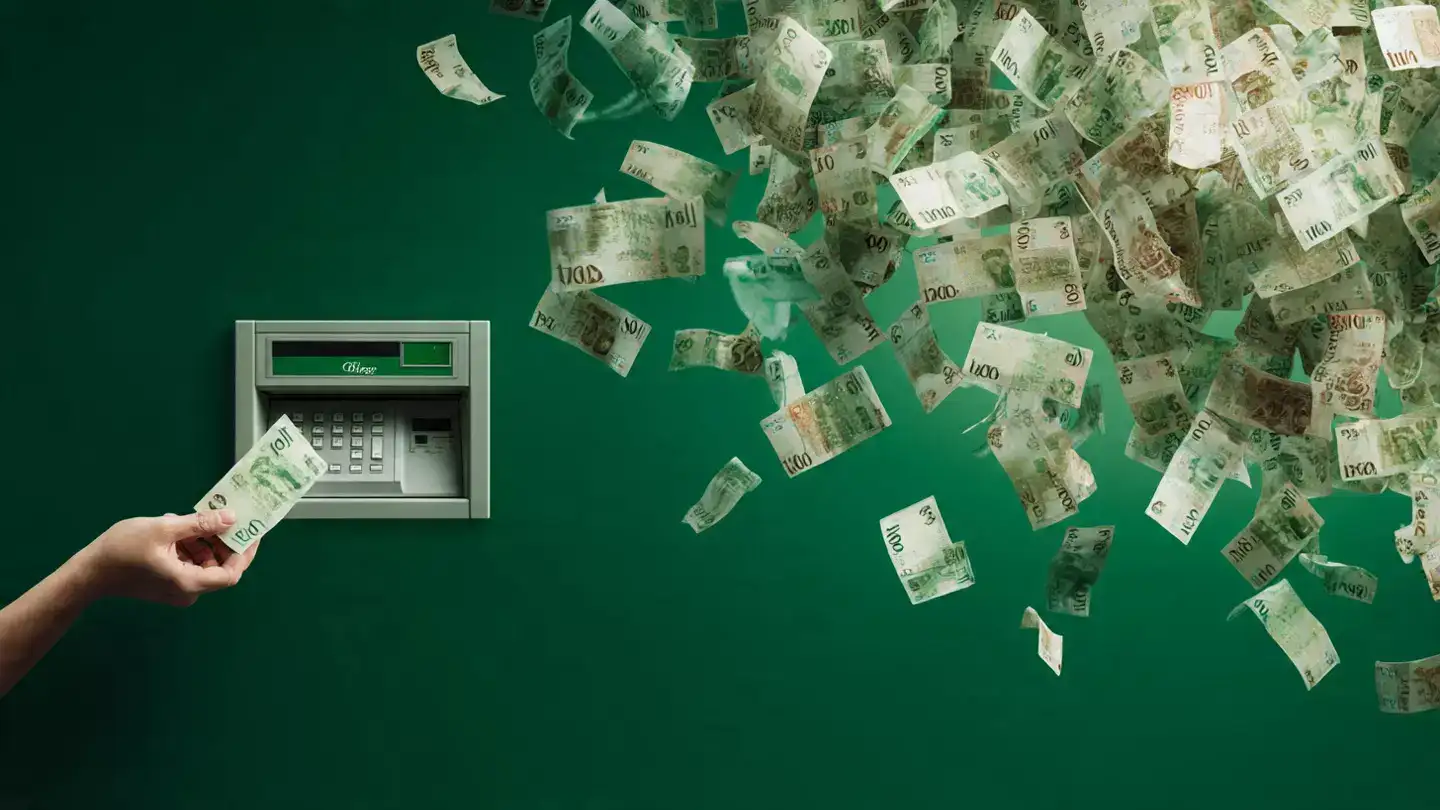
The Centre recently informed Parliament that there is no shortage of smaller currency notes in the country. At the same time, steps are being taken to ensure people can easily obtain such notes when withdrawing cash.
Despite this assurance, many consumers frequently face difficulties while trying to get change during everyday purchases. This situation often arises because people rely heavily on digital payments, which has reduced the circulation of smaller notes in daily retail transactions.
As a result, even when cash is used, larger notes such as ₹500 are more commonly available, making it inconvenient for both buyers and sellers.
This limitation exists because traditional ATM machines were not originally designed to distribute very small denomination notes. Their internal configuration typically supports fewer note categories, which has historically prioritised higher-value currency.
Because of this design constraint, the availability of smaller notes through ATMs has remained limited even when sufficient currency is present in the financial system.
These upgraded machines are designed to provide ₹10, ₹20 and ₹50 notes directly to customers. If the initiative expands nationwide, it could significantly ease the problem of finding change for daily purchases.
The idea is simple but practical. When people withdraw cash, they will be able to choose smaller denominations along with regular withdrawals. This will allow individuals to carry the exact change needed for smaller payments.
If implemented widely, such machines could reduce the everyday inconvenience faced by shoppers, street vendors and small businesses.
During the current financial year up to 26 February, the central bank supplied approximately 439.4 crore ₹10 notes, 193.7 crore ₹20 notes and 130.3 crore ₹50 notes.
In the previous financial year, the supply figures also remained significant. Around 180 crore ₹10 notes, 150 crore ₹20 notes and 300 crore ₹50 notes were issued into circulation.
These numbers demonstrate that small-value currency continues to form an important part of the country’s cash economy, even as digital transactions grow rapidly.
From local grocery shops to street vendors, QR-based payments and mobile wallets now handle a large portion of everyday purchases. Even very small payments are frequently completed through digital platforms.
Because of this trend, the demand for physical change has become more uneven. Some areas experience a shortage of small notes in circulation even though the overall supply remains adequate.
By introducing ATMs capable of dispensing smaller denominations, authorities aim to strike a balance between digital convenience and the continued need for cash in daily life. If the pilot project proves successful, it could make routine cash transactions smoother for people across the country.
Image Courtesy: Meta AI
The Centre recently informed Parliament that there is no shortage of smaller currency notes in the country. At the same time, steps are being taken to ensure people can easily obtain such notes when withdrawing cash.
Government Says Small Currency Is Adequately Available
Responding to a query in Parliament, the Minister of State for Finance stated that India currently has sufficient circulation of small denomination banknotes. According to the government, ₹10, ₹20 and ₹50 notes are available in adequate numbers across the banking system.Despite this assurance, many consumers frequently face difficulties while trying to get change during everyday purchases. This situation often arises because people rely heavily on digital payments, which has reduced the circulation of smaller notes in daily retail transactions.
As a result, even when cash is used, larger notes such as ₹500 are more commonly available, making it inconvenient for both buyers and sellers.
Why ATMs Rarely Dispense Smaller Notes
Most people who withdraw cash from an ATM notice that the machines primarily dispense ₹500 notes. Occasionally, some machines also provide ₹100 or ₹200 notes. However, access to smaller denominations like ₹10, ₹20 or ₹50 through ATMs has been rare.This limitation exists because traditional ATM machines were not originally designed to distribute very small denomination notes. Their internal configuration typically supports fewer note categories, which has historically prioritised higher-value currency.
Because of this design constraint, the availability of smaller notes through ATMs has remained limited even when sufficient currency is present in the financial system.
Pilot Project For Small Value Dispenser ATMs
To tackle this issue, the government has launched a pilot initiative aimed at improving access to smaller currency notes. Under this programme, special ATM machines known as “small value dispensers” are being tested.These upgraded machines are designed to provide ₹10, ₹20 and ₹50 notes directly to customers. If the initiative expands nationwide, it could significantly ease the problem of finding change for daily purchases.
The idea is simple but practical. When people withdraw cash, they will be able to choose smaller denominations along with regular withdrawals. This will allow individuals to carry the exact change needed for smaller payments.
If implemented widely, such machines could reduce the everyday inconvenience faced by shoppers, street vendors and small businesses.
Data Shows Large Supply Of Small Notes
The government also shared figures regarding the supply of small denomination notes in the country. Data indicates that the central bank has already issued a substantial number of these notes into circulation.During the current financial year up to 26 February, the central bank supplied approximately 439.4 crore ₹10 notes, 193.7 crore ₹20 notes and 130.3 crore ₹50 notes.
In the previous financial year, the supply figures also remained significant. Around 180 crore ₹10 notes, 150 crore ₹20 notes and 300 crore ₹50 notes were issued into circulation.
These numbers demonstrate that small-value currency continues to form an important part of the country’s cash economy, even as digital transactions grow rapidly.
Digital Payments Still Dominating Daily Transactions
While small denomination notes remain necessary for many situations, digital payments have increasingly become the preferred mode of transaction for millions of Indians.From local grocery shops to street vendors, QR-based payments and mobile wallets now handle a large portion of everyday purchases. Even very small payments are frequently completed through digital platforms.
Because of this trend, the demand for physical change has become more uneven. Some areas experience a shortage of small notes in circulation even though the overall supply remains adequate.
By introducing ATMs capable of dispensing smaller denominations, authorities aim to strike a balance between digital convenience and the continued need for cash in daily life. If the pilot project proves successful, it could make routine cash transactions smoother for people across the country.
Image Courtesy: Meta AI