
Budget 2026 Announces Three New All India Institutes Of Ayurveda, AYUSH Pharmacies Set For Upgrade

Union Budget 2026 : Presenting her ninth consecutive Union Budget in Parliament on Sunday, Finance Minister Nirmala Sitharaman placed renewed emphasis on strengthening India’s traditional medicine ecosystem. As part of the Union Budget 2026-27, the government announced plans to establish three new All India Institutes of Ayurveda and modernise Ayush pharmacies nationwide. The move reflects a broader policy intent to expand access to alternative healthcare systems while improving quality, research capacity and service delivery under the Ayush framework.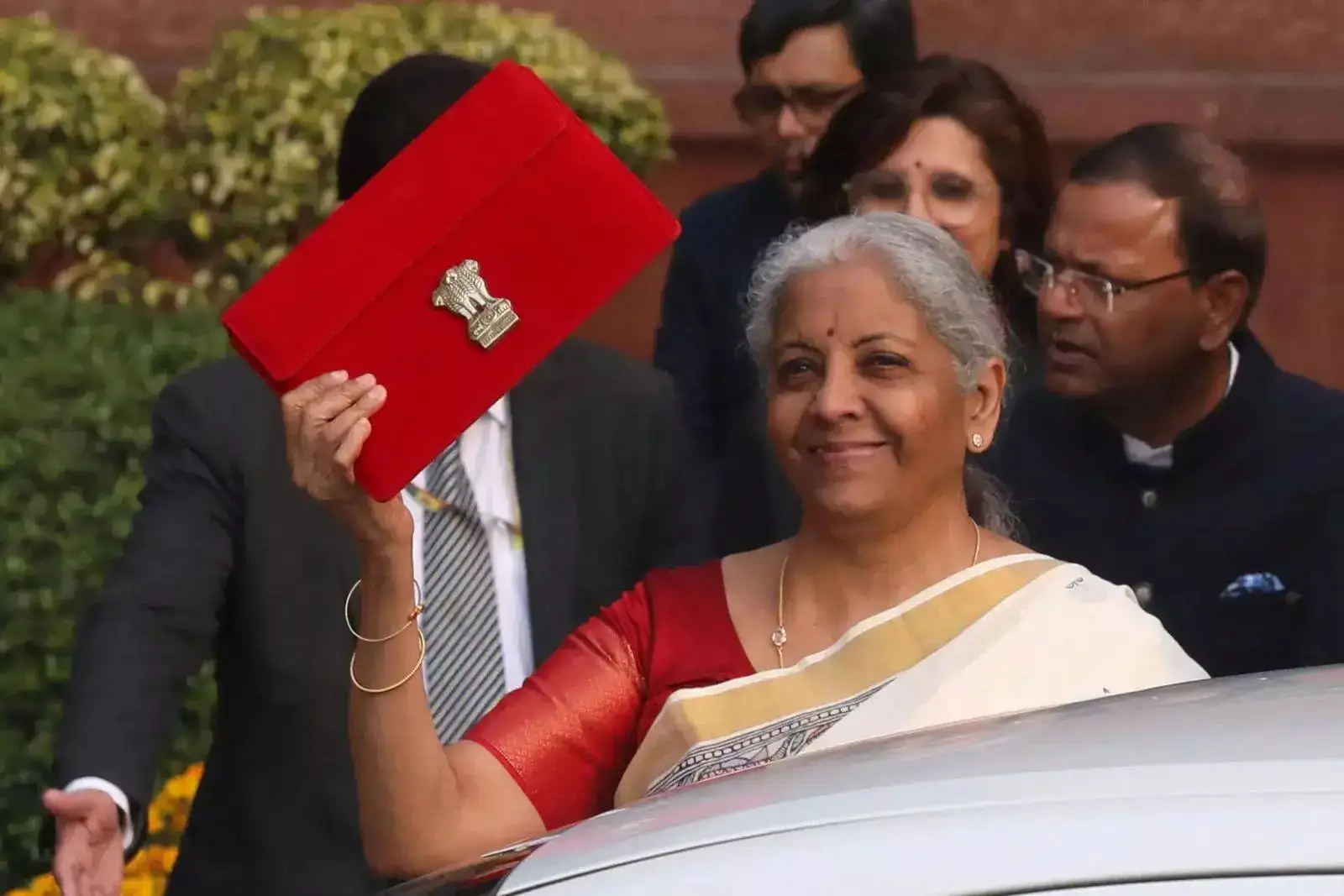
The proposed institutes will focus not only on teaching but also on advanced research and evidence-based clinical practices. This is expected to enhance credibility and innovation within the Ayurveda sector while supporting integration with modern healthcare systems. The initiative also aligns with long-term efforts to promote India’s traditional knowledge systems globally.
Upgraded infrastructure will also support improved storage, distribution and monitoring of traditional medicines. The government sees this as an essential step in strengthening last-mile healthcare delivery, especially in regions where Ayush systems play a significant role in primary treatment.
The focus on Ayurveda also complements broader healthcare objectives, including preventive care, wellness and long-term disease management. Strengthening the Ayush ecosystem is seen as a way to reduce pressure on conventional healthcare facilities while offering patients more choices.
As Sitharaman delivered her ninth consecutive Budget, the emphasis on Ayurveda and Ayush systems underscored the government’s intention to balance economic reforms with social and health-sector priorities. The proposed measures are expected to be implemented over the coming years, subject to approvals and budgetary allocations.
By expanding infrastructure and modernising delivery systems, the government aims to ensure that Ayurveda continues to evolve while staying rooted in its traditional foundations.
New All India Institutes Of Ayurveda Proposed
A key announcement in the Budget was the proposal to set up three new All India Institutes of Ayurveda. These institutions are expected to serve as national centres for education, research and clinical care in traditional medicine. By expanding institutional capacity, the government aims to create a stronger academic foundation for Ayurveda and support the training of skilled practitioners across the country.The proposed institutes will focus not only on teaching but also on advanced research and evidence-based clinical practices. This is expected to enhance credibility and innovation within the Ayurveda sector while supporting integration with modern healthcare systems. The initiative also aligns with long-term efforts to promote India’s traditional knowledge systems globally.
Ayush Pharmacies To Be Upgraded Nationwide
Alongside the new institutes, the Budget outlined plans to upgrade existing Ayush pharmacies across the country. Modernisation of pharmacies is intended to improve medicine availability, quality assurance and supply chain efficiency. Patients relying on Ayurveda and other Ayush treatments are expected to benefit from better access to standardised and reliable medicines.Upgraded infrastructure will also support improved storage, distribution and monitoring of traditional medicines. The government sees this as an essential step in strengthening last-mile healthcare delivery, especially in regions where Ayush systems play a significant role in primary treatment.
Strengthening Traditional Medicine Infrastructure
The announcements form part of a wider push to build robust traditional medicine infrastructure. By investing in institutions and pharmacies simultaneously, the government aims to strengthen both the supply of skilled professionals and the delivery of quality healthcare services. This dual approach is expected to support rural and urban populations alike, where demand for alternative medicine continues to grow.The focus on Ayurveda also complements broader healthcare objectives, including preventive care, wellness and long-term disease management. Strengthening the Ayush ecosystem is seen as a way to reduce pressure on conventional healthcare facilities while offering patients more choices.
Budget 2026 Signals Continuity In Policy Direction
The Union Budget 2026-27 was presented at a time of global economic uncertainty, with the government stressing the importance of sustaining growth and maintaining fiscal discipline. Within this context, continued investment in traditional medicine highlights a consistent policy direction aimed at inclusive development and healthcare diversification.As Sitharaman delivered her ninth consecutive Budget, the emphasis on Ayurveda and Ayush systems underscored the government’s intention to balance economic reforms with social and health-sector priorities. The proposed measures are expected to be implemented over the coming years, subject to approvals and budgetary allocations.
Growing Role Of Ayurveda In India’s Healthcare Landscape
With increasing public interest in natural and holistic treatments, Ayurveda has become an important pillar of India’s healthcare landscape. The Budget 2026 proposals are likely to accelerate this trend by improving institutional capacity and access to medicines. Over time, these steps may also support India’s ambitions to position traditional medicine as a global healthcare offering.By expanding infrastructure and modernising delivery systems, the government aims to ensure that Ayurveda continues to evolve while staying rooted in its traditional foundations.