
Union Budget 2026: One Girls’ Hostel Planned In Every District, Sitharaman Announces

Budget 2026 Girls Hostel Scheme : Presenting the Union Budget 2026-27 in Parliament on 1 February, Finance Minister Nirmala Sitharaman announced a nationwide plan to establish hostels for girls in every district of India. The initiative aims to strengthen girls’ education by addressing the shortage of safe and affordable accommodation near colleges and universities, particularly in smaller towns and rural areas. The government has positioned the scheme as a long-term investment in human capital, linking higher female education participation with sustained economic growth.
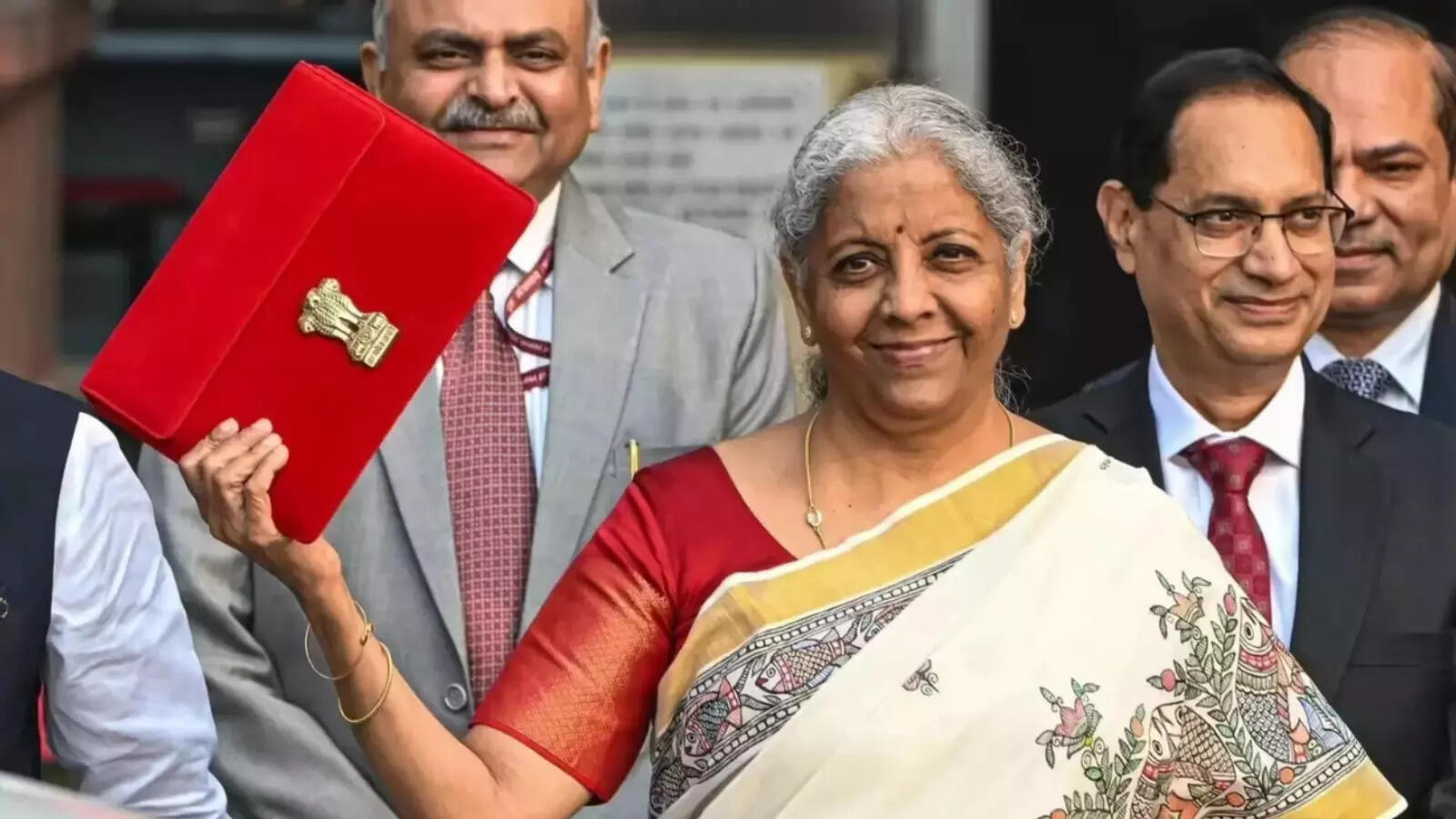
The announcement marks a significant policy intervention to tackle one of the most persistent barriers preventing girls from continuing education beyond school.
Addressing Dropouts After Class XII
One of the key objectives of the district-wise girls’ hostel scheme is to reduce dropout rates after Class XII. Across many parts of India, girls are forced to discontinue studies due to the absence of secure residential facilities near higher education institutions. Poor transport connectivity and safety concerns further compound the issue, especially in districts with limited colleges.By providing residential facilities close to campuses, the scheme aims to make higher education accessible for girls who would otherwise exit the education system prematurely. Improved access is also expected to increase enrolment in universities, professional colleges and skilling centres.
₹10,000 Crore Outlay Planned Over Multiple Years
According to officials familiar with the programme, the government has earmarked an estimated outlay of around ₹10,000 crore for the hostel initiative, to be deployed over several years. The project will be implemented in coordination with state governments and local authorities, ensuring region-specific planning and execution.Priority will be given to districts recording low female enrolment and high dropout rates. To accelerate rollout and manage costs, existing government land and underutilised public infrastructure may be repurposed for hostel construction.
Focus On Safety, Sanitation And Digital Access
The girls’ hostels will be developed with defined minimum standards for safety, sanitation and digital connectivity. Adequate lighting, secure access, hygiene facilities and internet connectivity will form part of the core infrastructure, supporting both academic and personal development needs.Digital access is expected to play a crucial role in enabling students to participate in online learning, access academic resources and stay connected with educational institutions.
Linking Education With Workforce Participation
The Budget 2026 proposal comes amid growing concern over India’s relatively low female participation in the workforce, despite improvements in school-level education. Policymakers believe that strengthening the transition from school to higher education is critical to closing the gap between educational attainment and employment outcomes.By enabling more girls to pursue higher studies and skill-based training, the hostel scheme is expected to create a stronger pipeline of educated women entering the labour market. Over time, this could contribute to higher productivity, delayed early marriages and improved socio-economic outcomes for families.
Aligned With Broader Women-Centric Policies
The hostel initiative will complement existing education, skilling and women’s empowerment programmes. Officials expect the scheme to generate a multiplier effect by improving learning outcomes, expanding access to opportunities and supporting inclusive growth.As implementation unfolds, the government sees the district-level hostel network as a foundational reform that could reshape girls’ access to education across India.
Next Story