
Union Budget 2026: What Gets Expensive and What Gets Cheaper? Check Here

In her Union Budget 2026-2027 speech, Finance Minister Nirmala Sitharaman reinforced the vision of ‘Aatmanirbhar Bharat’ by unveiling measures aimed at stimulating economic growth while easing the financial burden on consumers and taxpayers.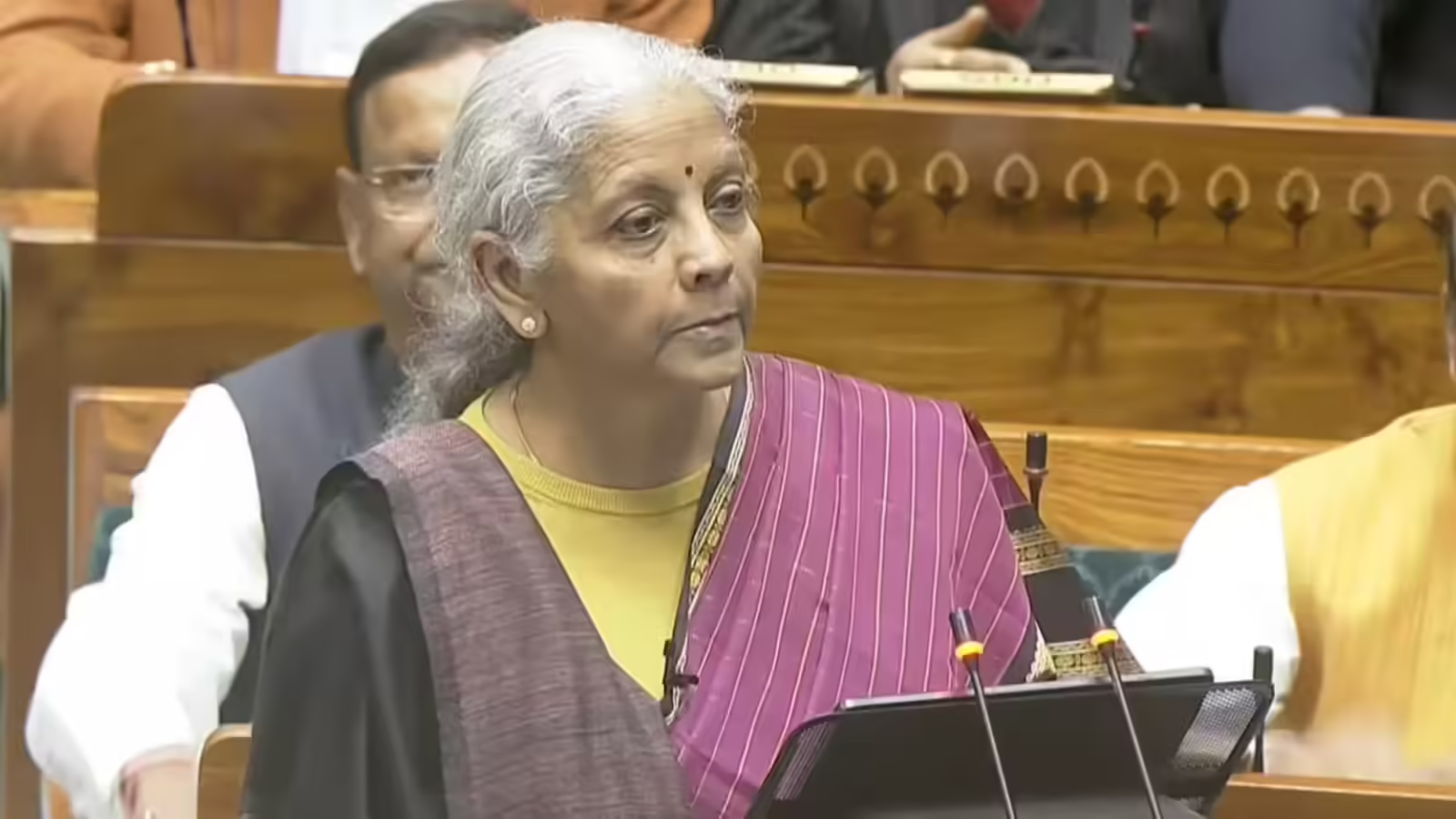
A major focus of the Budget was the revision of customs duties and tariffs on various products, which will result in some goods becoming more affordable, while others will see price increases due to higher taxes. Let's take a look at what gets costlier and what gets cheaper.
These tariff cuts align with the government’s push for self-reliance and the expansion of local industries.
These adjustments aim to increase government revenue while discouraging excessive consumption of luxury goods.
The Union Budget 2026-27 balances consumer relief and revenue generation by strategically adjusting tariffs. While essential products and goods linked to domestic industries will get cheaper, luxury items will become costlier. This dual approach supports economic growth, promotes manufacturing, and protects consumers, marking a significant step towards Aatmanirbhar Bharat.
A major focus of the Budget was the revision of customs duties and tariffs on various products, which will result in some goods becoming more affordable, while others will see price increases due to higher taxes. Let's take a look at what gets costlier and what gets cheaper.
Items Set to Become Cheaper
The Budget announced significant tariff cuts on essential products and imports to encourage domestic manufacturing and reduce costs for consumers. Key highlights include:- Lower customs duty on aircraft parts, microwave oven components, electric vehicle (EV) batteries, and solar panels. This move is expected to make these items more accessible and affordable.
- Price reductions on 17 essential medicines, including drugs for diabetes and cancer treatment, making healthcare more affordable for patients.
- Cheaper smartphones and tablets manufactured in India, supported by reduced import tariffs on components, to boost the domestic electronics industry.
- Duty-free imports of specific inputs for leather exports, helping the leather industry counter the impact of high US tariffs (up to 50%), thereby supporting exporters.
- Some imported personal use items will also see lower tariffs, easing costs for consumers.
These tariff cuts align with the government’s push for self-reliance and the expansion of local industries.
Items Likely to Become Costlier
On the flip side, certain luxury and non-essential goods are set to attract higher customs duties:- Luxury watches will face increased taxes, leading to higher retail prices.
- Imported alcoholic beverages will also become more expensive due to tariff hikes.
These adjustments aim to increase government revenue while discouraging excessive consumption of luxury goods.
The Union Budget 2026-27 balances consumer relief and revenue generation by strategically adjusting tariffs. While essential products and goods linked to domestic industries will get cheaper, luxury items will become costlier. This dual approach supports economic growth, promotes manufacturing, and protects consumers, marking a significant step towards Aatmanirbhar Bharat.
Next Story