
Why Deactivating an Aadhaar Card After Death Is Extremely Important

The Aadhaar card has quietly become the backbone of everyday life in India. From bank accounts and pensions to subsidies and mobile connections, it links a person to countless essential services. That’s exactly why, after someone passes away, deactivating their Aadhaar card becomes an important step for the family.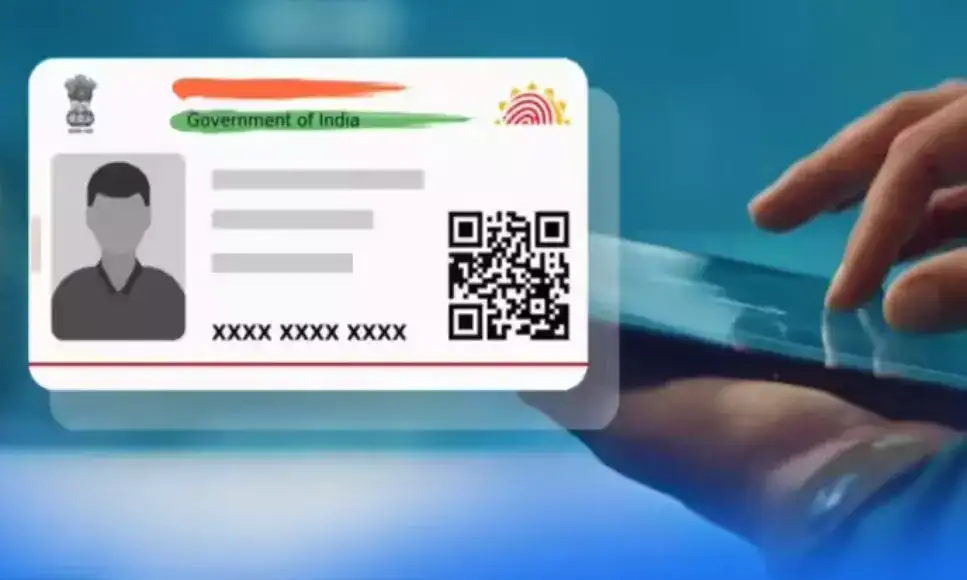
To keep the Aadhaar system clean and secure, the Unique Identification Authority of India (UIDAI) has already deactivated over 2.5 crore Aadhaar numbers belonging to deceased individuals. This move helps protect the database from misuse and prevents fraud.
The process involves authenticating the reporter’s identity and submitting basic details such as the deceased person’s Aadhaar number, death registration number, name, and date of birth. Once UIDAI verifies the information, the Aadhaar number is deactivated. This digital process saves families from repeated visits to government offices during an already difficult time.
Deactivating Aadhaar after a loved one’s death is a small but crucial step. It protects identities, prevents fraud, and helps maintain trust in one of India’s most important digital systems.
To keep the Aadhaar system clean and secure, the Unique Identification Authority of India (UIDAI) has already deactivated over 2.5 crore Aadhaar numbers belonging to deceased individuals. This move helps protect the database from misuse and prevents fraud.
Why deactivation matters
If a deceased person’s Aadhaar remains active, it can be misused for identity theft. Unscrupulous elements may try to claim pensions, subsidies, or other government benefits in the person’s name. Deactivating Aadhaar on time ensures that benefits reach only the rightful beneficiaries and safeguards public resources.How to deactivate Aadhaar after death
UIDAI has made the process simple and completely online through the myAadhaar portal. A family member can report the death using the “Reporting of Death of a Family Member” feature.The process involves authenticating the reporter’s identity and submitting basic details such as the deceased person’s Aadhaar number, death registration number, name, and date of birth. Once UIDAI verifies the information, the Aadhaar number is deactivated. This digital process saves families from repeated visits to government offices during an already difficult time.
Steps taken to prevent Aadhaar fraud
Alongside deactivation, UIDAI has strengthened Aadhaar security in multiple ways. Biometric locking allows individuals to lock their fingerprints and iris data. Face authentication and liveness detection help stop fake or duplicate identities. Most importantly, UIDAI ensures that core biometric data is never shared.Deactivating Aadhaar after a loved one’s death is a small but crucial step. It protects identities, prevents fraud, and helps maintain trust in one of India’s most important digital systems.
Next Story