
Air India Cuts 100 Daily Flights as Rising ATF Prices Increase Pressure

Rising crude oil prices are creating fresh turbulence for the aviation sector, and passengers may soon feel the impact. As global fuel costs surge, aviation turbine fuel (ATF) has become significantly more expensive, putting major pressure on airlines. In response, Air India has decided to scale back operations by cutting nearly 100 flights every day, a move that could affect both domestic and international travel plans.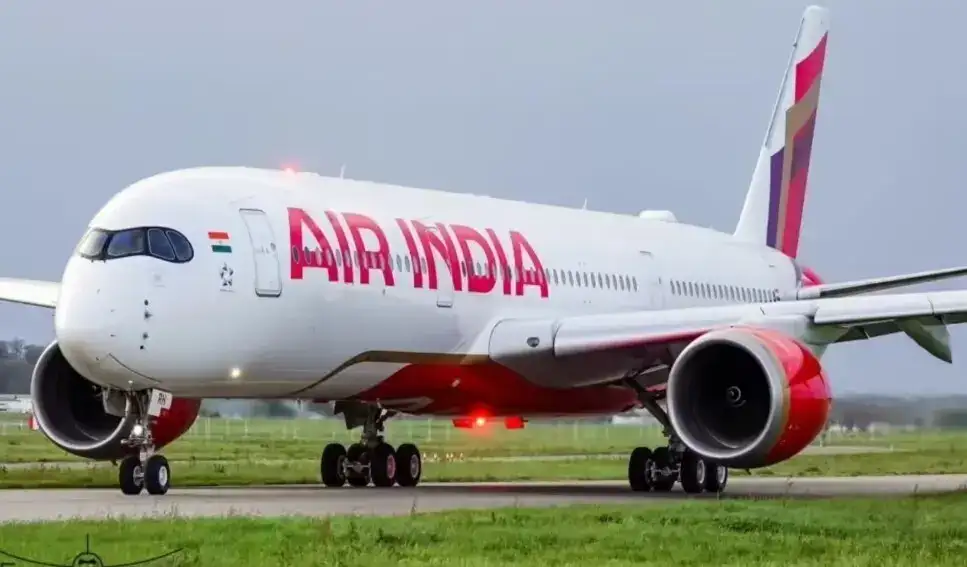
Air India trims network amid rising costs
The sharp increase in jet fuel prices has made airline operations far more expensive. With fuel forming a major share of operational costs, Air India is now reducing its daily services to manage expenses. The biggest impact will be seen on international routes, especially flights connecting India to Europe, North America, Australia, and Singapore.
From June onward, passengers on these routes may find fewer available flights, reduced flexibility, and possible disruptions to travel schedules.
ATF prices worsen airline pressure
Jet fuel prices in Delhi have nearly doubled since March, while international fuel costs have jumped by as much as 80%. Since fuel accounts for nearly 40% of airline operating expenses, the rising burden is becoming increasingly difficult for carriers to absorb.
The Federation of Indian Airlines (FIA), representing major airlines like IndiGo, Air India, and SpiceJet, has also warned that if fuel-related costs are not addressed, additional service cuts across the industry could follow.
Pakistan airspace closure adds extra burden
Air India is facing even greater challenges because of its strong international presence. The closure of Pakistan’s airspace has forced many flights to Europe and North America to take longer alternate routes. These detours increase fuel consumption, crew expenses, and overall operational complexity.
Several long-haul flights are also requiring stopovers in cities such as Vienna and Stockholm, further raising costs and extending travel time.
Travelers may face higher fares
With fewer flights in operation and rising operational expenses, ticket prices could soon climb higher. International passengers are likely to be the most affected, with limited choices and the need for earlier booking.
For travelers, this could mean more expensive journeys, fewer route options, and longer travel durations as the aviation industry navigates this fuel price crisis.
Air India trims network amid rising costs
The sharp increase in jet fuel prices has made airline operations far more expensive. With fuel forming a major share of operational costs, Air India is now reducing its daily services to manage expenses. The biggest impact will be seen on international routes, especially flights connecting India to Europe, North America, Australia, and Singapore. From June onward, passengers on these routes may find fewer available flights, reduced flexibility, and possible disruptions to travel schedules.
ATF prices worsen airline pressure
Jet fuel prices in Delhi have nearly doubled since March, while international fuel costs have jumped by as much as 80%. Since fuel accounts for nearly 40% of airline operating expenses, the rising burden is becoming increasingly difficult for carriers to absorb. The Federation of Indian Airlines (FIA), representing major airlines like IndiGo, Air India, and SpiceJet, has also warned that if fuel-related costs are not addressed, additional service cuts across the industry could follow.
Pakistan airspace closure adds extra burden
Air India is facing even greater challenges because of its strong international presence. The closure of Pakistan’s airspace has forced many flights to Europe and North America to take longer alternate routes. These detours increase fuel consumption, crew expenses, and overall operational complexity. Several long-haul flights are also requiring stopovers in cities such as Vienna and Stockholm, further raising costs and extending travel time.
Travelers may face higher fares
With fewer flights in operation and rising operational expenses, ticket prices could soon climb higher. International passengers are likely to be the most affected, with limited choices and the need for earlier booking. For travelers, this could mean more expensive journeys, fewer route options, and longer travel durations as the aviation industry navigates this fuel price crisis.
Next Story