
Rising Oil Prices Hit Air Travel Costs, Airlines Increase Baggage Fees - Details Inside

Rising tensions in West Asia have pushed global crude oil prices higher in recent days, creating a ripple effect across the aviation industry. The sharp jump in jet fuel costs is now forcing airlines to revise fees and pass part of the burden onto passengers.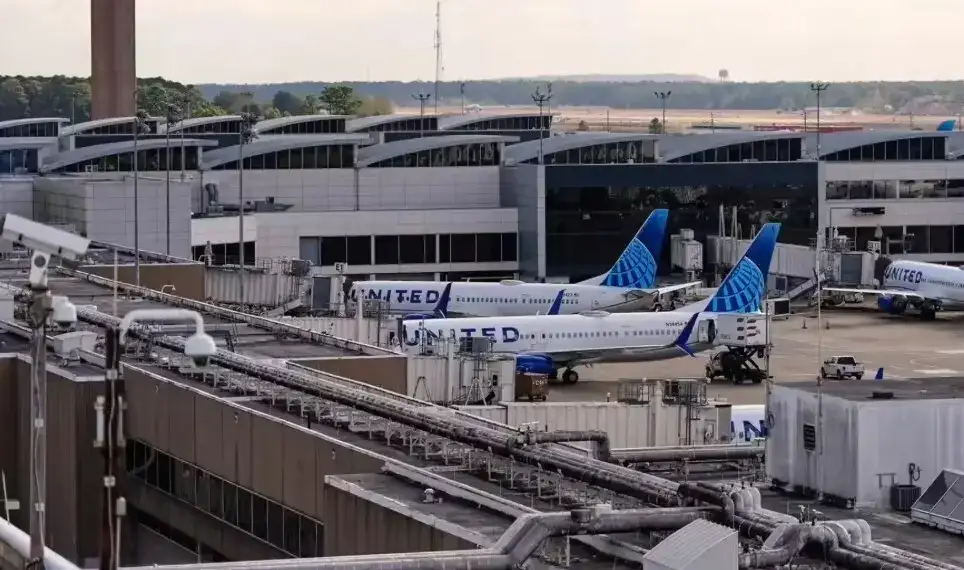
Fuel cost surge hits airlines
Jet fuel, also known as Aviation Turbine Fuel (ATF), has seen a steep rise due to supply concerns and geopolitical disruptions. According to the International Air Transport Association International Air Transport Association, prices that were earlier in the $85-$90 per barrel range in February have climbed to nearly $209 per barrel. A key factor behind this spike is disruption in oil movement through the Strait of Hormuz, a critical route handling a significant share of global oil shipments.
Airlines raise baggage fees
With operating costs rising, airlines are adjusting their pricing structures. Major carriers such as American Airlines and Alaska Air have increased check-in baggage charges on both domestic and short-haul international routes.
American Airlines has raised fees for the first and second checked bags by $10 each. Alaska Air has increased the first bag fee by $5 and the second by $10. For the third checked bag, both airlines now charge $200, marking a $50 increase. Basic economy passengers also face an additional $5 charge.
Extra costs for basic economy travelers
Passengers opting for basic economy fares will see further changes. Along with higher baggage fees, seat selection will no longer be free. Free upgrades and other benefits previously available on select routes are also being removed. These changes will take effect from May 18.
Airlines shift toward “pay-as-you-use” model
Industry observers say airlines are increasingly adopting a “pay only for what you use” approach. This means base fares may stay competitive, but add-on services like baggage, seat selection, and upgrades will cost extra. The shift is aimed at balancing rising fuel expenses while maintaining profitability.
With fuel prices still volatile and geopolitical tensions ongoing, passengers may continue to see gradual increases in travel-related charges in the coming months.
Fuel cost surge hits airlines
Jet fuel, also known as Aviation Turbine Fuel (ATF), has seen a steep rise due to supply concerns and geopolitical disruptions. According to the International Air Transport Association International Air Transport Association, prices that were earlier in the $85-$90 per barrel range in February have climbed to nearly $209 per barrel. A key factor behind this spike is disruption in oil movement through the Strait of Hormuz, a critical route handling a significant share of global oil shipments. Airlines raise baggage fees
With operating costs rising, airlines are adjusting their pricing structures. Major carriers such as American Airlines and Alaska Air have increased check-in baggage charges on both domestic and short-haul international routes.American Airlines has raised fees for the first and second checked bags by $10 each. Alaska Air has increased the first bag fee by $5 and the second by $10. For the third checked bag, both airlines now charge $200, marking a $50 increase. Basic economy passengers also face an additional $5 charge.
Extra costs for basic economy travelers
Passengers opting for basic economy fares will see further changes. Along with higher baggage fees, seat selection will no longer be free. Free upgrades and other benefits previously available on select routes are also being removed. These changes will take effect from May 18.Airlines shift toward “pay-as-you-use” model
Industry observers say airlines are increasingly adopting a “pay only for what you use” approach. This means base fares may stay competitive, but add-on services like baggage, seat selection, and upgrades will cost extra. The shift is aimed at balancing rising fuel expenses while maintaining profitability. With fuel prices still volatile and geopolitical tensions ongoing, passengers may continue to see gradual increases in travel-related charges in the coming months.
Next Story