
Airport Operators Under Pressure After 25% Fee Cut, Government Urged to Step In

India’s airport operators are facing mounting financial stress after the government slashed landing and parking charges for domestic flights by 25 percent for three months. The move, implemented by the Airports Economic Regulatory Authority (AERA), was aimed at easing the burden on airlines struggling with rising operational costs.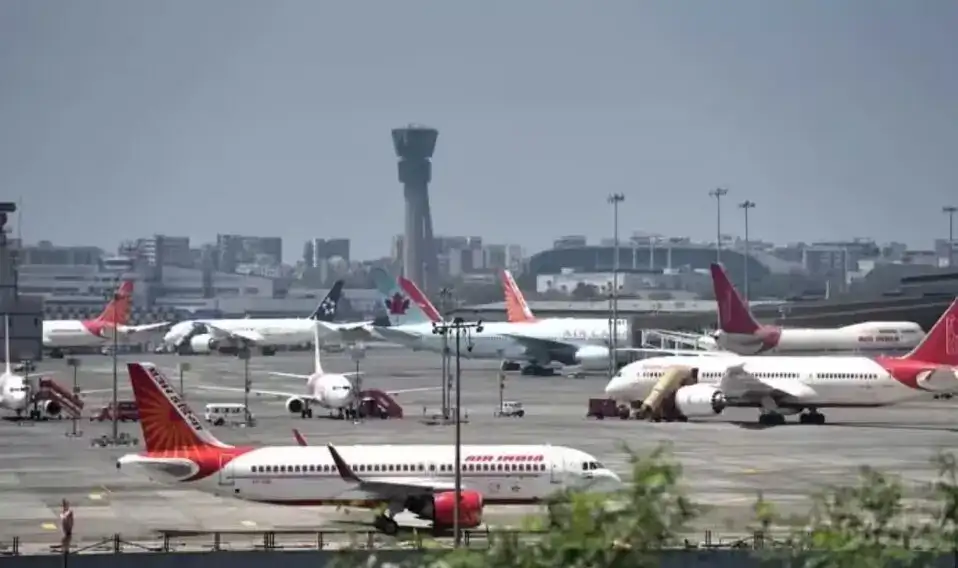
While the decision has offered short-term relief to carriers, airport companies say it has significantly impacted their own earnings.
Airport Revenues Take a Major Hit
The Airport Operators Association of India (APAO) has backed the government’s efforts to support airlines, but operators warn that the reduced charges are squeezing airport revenues. Lower income could affect cash flow, debt repayment, and daily airport operations.
Airports with heavy international traffic are facing even bigger challenges. Global tensions have already reduced passenger movement, leading to weaker revenues. At the same time, non-aeronautical income from shopping outlets, food courts, and parking services has also declined.
Expenses Remain High Despite Falling Earnings
Airport operators stress that their operational expenses have not gone down. Maintaining infrastructure, ensuring passenger safety, and delivering quality services continue to demand significant spending.
With income shrinking and expenses staying high, operators fear long-term financial instability. They also expressed concern that sudden tariff revisions without proper consultation may weaken investor confidence and disrupt regulatory stability, especially when India is actively encouraging airport privatization.
Key Demands Raised Before the Government
To ease financial pressure, airport operators have urged the Ministry of Civil Aviation (MoCA) to introduce immediate support measures, including:
Focus Shifts to ATF Costs
Airport operators believe that aviation turbine fuel (ATF) remains the biggest financial burden for airlines. Instead of only reducing airport charges, they have called on state governments to cut VAT on ATF to 5 percent or lower.
According to operators, lowering fuel taxes would provide more meaningful and sustainable relief to airlines while reducing financial pressure across the aviation sector.
While the decision has offered short-term relief to carriers, airport companies say it has significantly impacted their own earnings.
Airport Revenues Take a Major Hit
The Airport Operators Association of India (APAO) has backed the government’s efforts to support airlines, but operators warn that the reduced charges are squeezing airport revenues. Lower income could affect cash flow, debt repayment, and daily airport operations.Airports with heavy international traffic are facing even bigger challenges. Global tensions have already reduced passenger movement, leading to weaker revenues. At the same time, non-aeronautical income from shopping outlets, food courts, and parking services has also declined.
Expenses Remain High Despite Falling Earnings
Airport operators stress that their operational expenses have not gone down. Maintaining infrastructure, ensuring passenger safety, and delivering quality services continue to demand significant spending.With income shrinking and expenses staying high, operators fear long-term financial instability. They also expressed concern that sudden tariff revisions without proper consultation may weaken investor confidence and disrupt regulatory stability, especially when India is actively encouraging airport privatization.
Key Demands Raised Before the Government
To ease financial pressure, airport operators have urged the Ministry of Civil Aviation (MoCA) to introduce immediate support measures, including: - Deferring revenue-sharing payments to the Airports Authority of India (AAI)
- Providing interest-free financial relief
- Allowing future tariff increases to recover current losses
Focus Shifts to ATF Costs
Airport operators believe that aviation turbine fuel (ATF) remains the biggest financial burden for airlines. Instead of only reducing airport charges, they have called on state governments to cut VAT on ATF to 5 percent or lower. According to operators, lowering fuel taxes would provide more meaningful and sustainable relief to airlines while reducing financial pressure across the aviation sector.
Next Story