
Early Learning For Babies: What Parents Need To Know

Becoming a parent has never been easy on the wallet, and the modern wave of parenting has taken expenses to an entirely new level. From prenatal tests to carefully curated workshops even before the child is born, the journey can be overwhelming. According to experts, once a baby arrives, many parents increasingly look at specialised classes and structured activities, raising questions about their actual value and necessity. This growing phenomenon, though more prominent abroad, is now gradually attracting attention in India’s urban centres.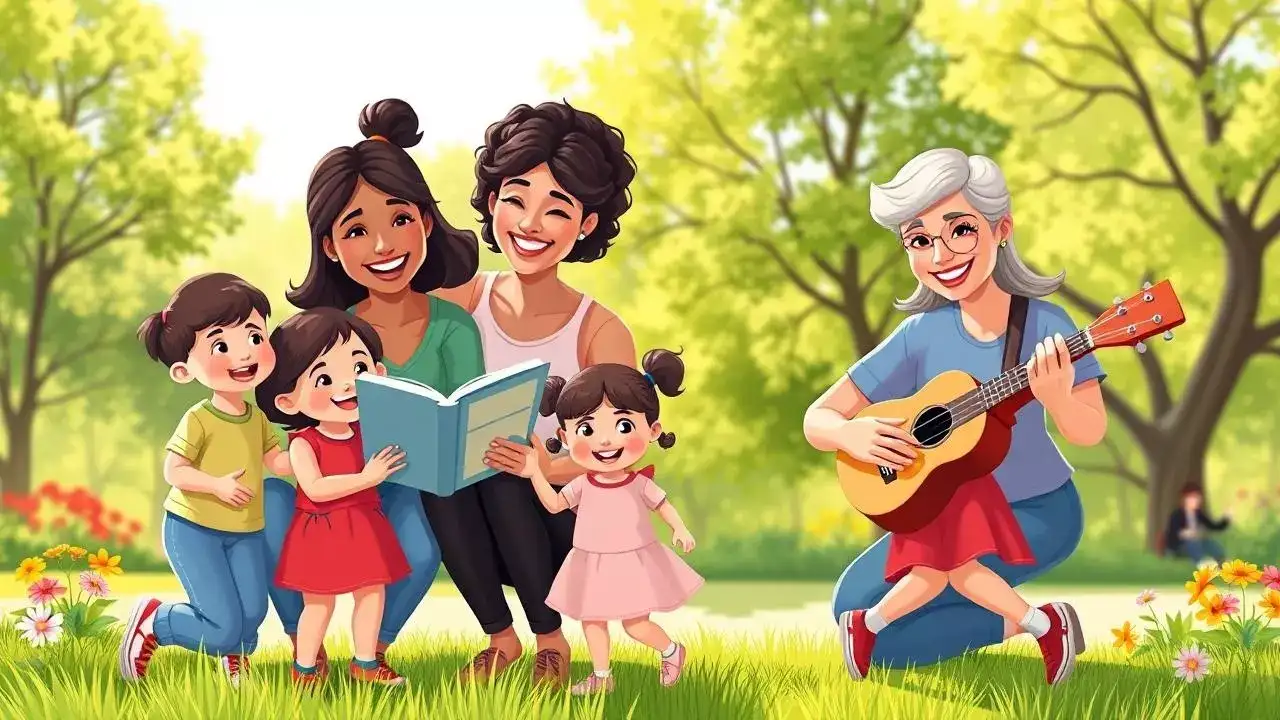
The conversation around baby classes is part of a larger dialogue on evolving parenting choices. As urban lifestyles change and aspirations grow, such trends may gain traction in India, though traditional practices continue to hold strong. For parents, the real challenge is finding the right blend of old and new while ensuring the baby’s well-being remains at the centre.
Disclaimer: This article is for information purposes only. The observations shared are based on expert insights and cultural perspectives, and parents are advised to consult qualified professionals before making decisions regarding child development practices.
The Rise Of Baby Classes
In many Western countries, parents are signing up their infants for activities like baby reading sessions, baby music lessons, baby yoga, and even baby gyms. These classes promise to encourage early sensory development and create an engaging environment for little ones. Parents often feel reassured that they are doing everything possible to give their child a head start. Experts say that while babies may not actually begin reading or playing instruments, they respond positively to sound, rhythm, and movement, which could be stimulating for their senses.Do Babies Really Benefit?
The debate lies in whether such early exposure genuinely provides a long-term advantage. Advocates argue that hearing live instruments or participating in playful gym activities helps children associate sounds, actions, and images at an early age. These activities may improve listening skills, strengthen memory, and promote physical milestones like crawling and climbing. On the other hand, sceptics believe that much of this development can happen naturally at home with attentive parenting, without the need for expensive classes.The Indian Context
While structured baby classes are not widely seen across India, many parents here already incorporate music, storytelling, and movement into daily life. Singing lullabies, telling folk tales, and encouraging free play serve similar purposes without the commercial framework. However, according to experts, the idea of organised infant classes could eventually find a market in India’s urban, affluent neighbourhoods where there is a growing appetite for global parenting trends . Cities like Mumbai, Delhi, and Bengaluru may soon witness boutique centres offering such services.Cultural Nuances In Parenting
Parenting styles differ significantly across cultures. In India, grandparents and extended families often play an active role in child-rearing, passing on traditional methods like baby massages, storytelling, and music exposure. These practices have stood the test of time, ensuring that infants are nurtured holistically. In contrast, in many Western households, where nuclear families dominate, there is a higher reliance on structured classes to fill the gaps that extended family networks would usually cover.The Commercial Appeal
What cannot be ignored is the rising commercial appeal of these classes. They tap into parental aspirations, promising to enhance a baby’s intellectual and physical growth. Marketing pitches often highlight developmental milestones, creating an impression that missing out might put a child at a disadvantage. For working parents with disposable incomes, enrolling their infants in such programmes can also be a way of outsourcing stimulation activities to professionals.Should Parents Sign Up?
According to experts, the key lies in balance. While structured classes may offer exposure to new environments and professional guidance, much of a baby’s learning still comes from the comfort of home, bonding with parents and caregivers. Parents need to be cautious not to give in entirely to commercial pressures but instead to observe what genuinely benefits their child’s growth. Play, love, and attentive engagement often matter far more than early academics or structured lessons.The conversation around baby classes is part of a larger dialogue on evolving parenting choices. As urban lifestyles change and aspirations grow, such trends may gain traction in India, though traditional practices continue to hold strong. For parents, the real challenge is finding the right blend of old and new while ensuring the baby’s well-being remains at the centre.
Disclaimer: This article is for information purposes only. The observations shared are based on expert insights and cultural perspectives, and parents are advised to consult qualified professionals before making decisions regarding child development practices.
Next Story